
Code Snippets
When searching for Ayahuasca retreats, you’ll find that prices typically range from $1,200 to $5,000 for a one-week stay. The actual cost depends on various factors, including the type of experience you’re seeking. Considerations such as the comfort level of the accommodations, the degree of guidance and assistance provided, and other aspects such as the size of the group or the location of the retreat all play a role in determining the overall price.
Understanding what you are paying for allows you to make an informed and aligned decision, one that balances budget with personal needs, comfort, and safety.
Understanding The Investment
Choosing to work with Ayahuasca is both a personal and practical decision. Retreat pricing is not simply a participation fee. It represents the framework established to support your experience, including trained facilitators, ceremonial spaces, medical screening, integration support, accommodations, and daily care.
Similar to other travel experiences, there are different tiers to choose from. Some retreats deep in the jungle offer basic accommodations with minimal amenities. Others provide modern, premium accommodations with on-site medical staff and structured wellness programs. Each option offers a unique type of experience, and understanding these differences helps you select the retreat that best aligns with your intentions.

To provide clearer context, it can be helpful to look at common pricing ranges. Globally, many week-long retreats fall within the $1,500 to $3,000 range. This typically includes ceremonies, accommodations, meals, and basic activities.
At the higher end of the spectrum, weekly programs are priced around $4,900. These retreats often offer additional layers of support, including medical oversight and structured integration programming. Prices can vary based on the level of care, infrastructure, and services provided.
For this reason, it is important to look beyond the advertised price alone. Taking time to understand what is included and how the retreat is structured can help you make a more informed decision. And before you choose a retreat, it’s important to take time to determine if this path is truly for you. If you’re still exploring, our guide on whether Ayahuasca is right for you may offer clarity.
“The cost of an Ayahuasca retreat often reflects the level of safety, support, and integrity of the container being held for you. Higher-priced retreats may offer more experienced facilitators, smaller group sizes, and additional layers of care—all of which contribute to a more supported journey.”
Below is a general overview of what participants can expect at different pricing levels for a typical one-week retreat.
Ayahuasca Retreat Costs At A Glance
While prices vary by location and center, most one-week retreats fall into the following general categories:
| Retreat Tier | Typical Price Range (1 Week) | What You Can Expect |
|---|---|---|
| Budget | $1,200 – $2,000 | Basic shared accommodations, larger group sizes, fewer ceremonies (2-3), and minimal integration support. |
| Mid-Range | $2,000 – $3,500 | Comfortable private or shared rooms, more ceremonies (3-5), experienced facilitators, and guided integration circles. |
| Premium | $3,500 – $5,000+ | Private accommodations, medically supervised programs, low guest-to-facilitator ratios, and extensive post-retreat support. |
These ranges provide a starting point for comparison although individual retreat offerings can vary significantly.
What Determines the Price of a Retreat?
When researching Ayahuasca retreats, you’ll find that prices vary greatly. As outlined below, several key factors influence the overall cost.
Location and Setting
The destination you choose significantly affects the cost. A traditional center nestled in the Peruvian Amazon will differ in price compared to a modern wellness retreat in Costa Rica.
Traditional Amazonian Hubs (e.g., Peru): These centers are often deep in the jungle, meaning the facilities are simpler. The price is often tied to the authenticity of the setting and the direct connection to the indigenous traditions that have worked with this medicine for centuries.
Modern Wellness Destinations (e.g., Costa Rica): These center typically offer premium amenities—spacious rooms with air conditioning, a swimming pool, and gourmet food. Naturally, the higher operating costs is reflected in their pricing.
While comfort is important, being in the jungle provides a deep connection to the natural world where Ayahuasca comes from. Alternatively, a more structured wellness center may feel more contained and accessible, which can be comforting for those new to the medicine.
Retreat Length and Ceremony Pacing
Longer retreats with more ceremonies and rest days naturally cost more. A quick three-day retreat with two ceremonies is considerably less expensive than a ten-day deep dive with five ceremonies. However, the true value of longer retreats lies in the extra time to integrate.
Having a day or two between ceremonies allows additional time for your body and mind to rest, process the experience, and prepare for the next journey. Many people find this to be beneficial for doing deep, lasting work.
“A longer retreat isn’t just about drinking more Ayahuasca. It is about giving yourself the space to actually understand what you’re learning. Rushing through back-to-back ceremonies can be overwhelming and, honestly, a lot less effective.”
The People Holding the Space for You
Highly trained facilitators, indigenous healers with established lineages, medical professionals, psychologists, and integration specialists all contribute to safety and depth of care. Smaller participant-to-staff ratios significantly increase operational costs but also improve individualized support.
Start by considering the facilitator-to-guest ratio. A retreat with a 1:5 ratio—meaning one facilitator for every five guests—can provide a level of personal attention that a retreat with a 1:15 ratio simply cannot match. During challenging experiences, having that individual support can be incredibly valuable.
The expertise of the facilitators themselves is also a major factor as described below:
Shamanic Lineage: Are the healers from a respected tradition, such as the Shipibo of Peru? Many have devoted their entire lives to this work, carrying knowledge passed down through generations. A portion of the retreat cost is an exchange for their expertise and the energetic safety they provide.
Medical and Psychological Staff: Premium retreats often have doctors, nurses, and trained psychologists on-site. This adds a layer of safety, especially if you have any pre-existing health concerns.
Integration Specialists: What happens after the ceremony is just as important. Having experienced staff to to assist in interpreting your visions and insights is key to transforming a profound experience into meaningful life changes.
Ayahuasca tourism has increased significantly. In 2019, an estimated 62,000 people traveled to approximately 232 locations in the Amazon and Costa Rica for Ceremonies. Since the pandemic, interest has continued to grow, along with a stronger emphasis on safety. Many reputable retreats now charge 50-100% more than they did before, primarily to cover the costs of enhanced medical screening and highly qualified staff. You can read more about these trends in this detailed report on Ayahuasca tourism.
Ultimately, the cost of an Ayahuasca retreat reflects the entire network of people, practices, and protocols in place to support participant well-being. From the shaman’s chants to the facilitator’s guidance, each individual and every detail plays a role in creating a sacred space for your journey.
A Cost Comparison by Popular Retreat Destinations
The location you choose for your Ayahuasca retreat plays a meaningful role in both the overall cost and the nature of the experience. Geographic setting influences ceremonial traditions, program structure, accommodations, and the level of support available. Understanding how location shapes these elements can help you make a more informed decision aligned with your preferences and needs.
Two of the most recognized destinations for Ayahuasca retreats are Peru and Costa Rica. Each offers a distinct approach, shaped by different cultural contexts, environments, and retreat models. Becoming familiar with these differences can provide helpful perspective when evaluating options.
The infographic below outlines the three key factors that affect your costs: location, duration of stay, and the depth of care provided.
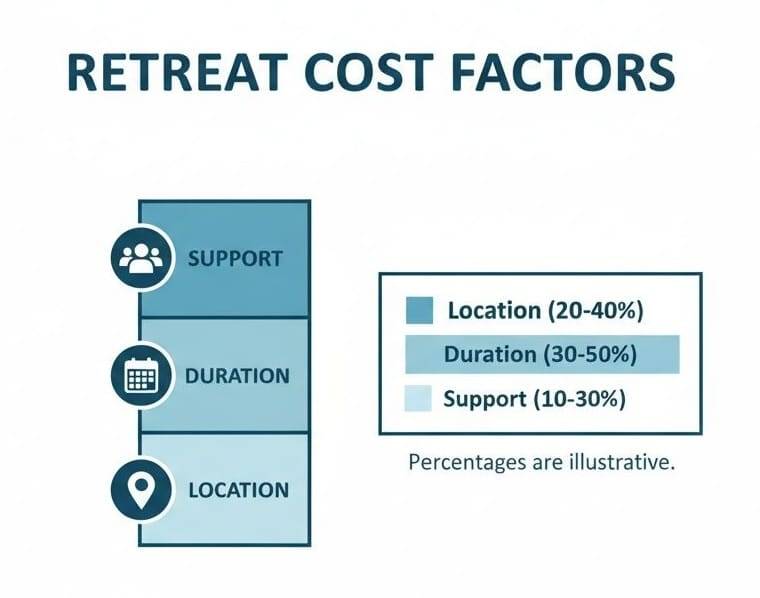
While location plays a significant role, the duration of your stay and the extent of care you receive are equally important factors in determining the overall cost.
Peru: The Traditional Heart Of Ayahuasca
Peru, particularly regions near Iquitos and Pucallpa, is widely regarded as the historical and cultural heartland of this medicine. Many retreats in this region are rooted in indigenous traditions, mainly those of the Shipibo people, whose ceremonial practices have been passed down through generations and preserved over time.
An experience in Peru often involves a more rustic and authentic setting where participants are immersed in the natural surroundings of the Amazon. Typically, accommodations consist of simple jungle lodges known as tambos, where the sounds of the rainforest accompany you throughout your stay. For many visitors, being close to where the plants naturally grow is a significant and essential element of their journey. The rise in “shamanic tourism” has led to a variety of options, which you can explore further by reading about the complexities of shamanic tourism in Peru.
Peru offers options for nearly every budget. A basic week-long retreat with minimal amenities might cost around $1,000, whereas a high-end retreat with premium accommodations and comprehensive care services can cost over $4,000.
Budget Tier ($1,000 – $1,800): Basic shared accommodations, ceremonies with larger groups, and fewer ceremonies, with limited facilitation and support.
Mid-Range Tier ($1,800 – $3,000): More comfortable accommodations, smaller group sizes for more personal attention, experienced facilitators, and structured support for integration.
Premium Tier ($3,000 – $4,500+): Private accommodations, thorough screening processes, medical or psychological support, and low participant-to-staff ratios for a deeply held and supported journey.
Costa Rica: Structured Wellness and Modern Comforts
Costa Rica has emerged as a prominent destination for retreats that combine ceremonial work with broader wellness practices. While many retreats are located in lush natural settings, programs are often structured with a focus on comfort, accessibility, and comprehensive care.
In Costa Rica, the emphasis is often on blending Ayahuasca ceremonies with holistic healing modalities, such as yoga, breathwork, somatic therapy, and bodywork. This approach generally provides a higher level of physical comfort, along with amenities such as private rooms with air conditioning, swimming pools, and gourmet, dieta-friendly food. It is also more common for these retreats to have guided integration sessions and medical staff on-site.
This combination of deep healing work and modern comfort naturally comes at an increased cost. Operating expenses in Costa Rica are relatively higher, and opting for an all-inclusive wellness package involves a larger investment. A one-week retreat generally starts at $2,500 and can exceed $6,000, depending on the specific services and accommodations chosen.
Mid-Range Tier ($2,500 – $4,000): This tier typically includes comfortable accommodations, 3-4 ceremonies, and a well-rounded program with a strong team of facilitators.
Premium Tier ($4,000 – $6,000+): You are investing in premium amenities, thorough medical and psychological support, and a comprehensive program that often includes additional support before and after the retreat.
Cost Comparison: Peru vs Costa Rica For A 7-Day Retreat
To provide a clearer overview, the comparison below details typical price ranges for week-long retreats in two of the most recognized destinations. Differences in cost often reflect their unique approaches, level of care, program structure, and overall retreat environment.
| Retreat Tier | Average Cost In Peru | Average Cost In Costa Rica | Key Differentiators |
|---|---|---|---|
| Budget | $1,000 – $1,800 | Generally Not Available | Simple accommodations minimal support; traditional setting. |
| Mid-Range | $1,800 – $3,000 | $2,500 – $4,000 | Comfortable lodging; smaller groups; reliable guidance and support. |
| Premium | $3,000 – $4,500+ | $4,000 – $6,000+ | Premium amenities; expanded medical/psych support; comprehensive wellness. |
Ultimately, the choice between Peru and Costa Rica depends on personal preferences, priorities, and comfort level. Peru may call to those seeking a more traditional setting and deeper connection to the medicine’s roots. Costa Rica may be more appealing to those who prefer a structured environment with added amenities and greater support.
What Is Included in the Cost of an Ayahuasca Retreat
When reviewing retreat pricing, it is helpful to look beyond the initial number and consider what is included. The cost of a retreat reflects a coordinated system of support, safety, and expertise essential for guiding you through a deeply meaningful experience.
Think of it as investing in a uniquely personal and profound experience rather than simply buying a standard vacation package. Understanding what is included, and what may not be, can help you plan with clarity and avoid unexpected expenses.
What Is Typically Included
Most well-regarded retreats bundle the main elements into one price. While the specifics may vary from one retreat to another, the package generally includes the following:
Accommodations: Costs vary depending on the level of comfort and privacy, ranging from shared lodging to private rooms with en-suite facilities. The type of accommodation is one of the primary factors influencing overall price.
Dieta-Aligned Meals: The Ayahuasca dieta plays an essential role in preparation, as cleansing your body enhances your receptivity to the medicine. Retreats prioritize this by offering three nutritious, carefully-prepared meals daily, adhering to specific guidelines.
The Ayahuasca Ceremonies: Central to the retreat experience, the fee includes the medicine itself, the ceremonial space (referred to as a maloca), and the guidance of shamans or facilitators who support the participants and ensure their safety. A week-long retreat often includes 3 to 5 ceremonies.
Supportive Practices and Activities: Many retreats incorporate complementary practices such as guided meditations, breathwork sessions, gentle movement, or time in nature. These activities are intended to support emotional regulation, reflection, and overall well-being.
Integration Support: Group discussions, sharing circles, or integration sessions are commonly included to help participants process insights and translate their experiences into practical understanding.
“The retreat fee is an investment in a carefully curated setting and safe container. From the food that nourishes your body to the facilitators who nurture your overall well-being, every element contributes to creating a space that supports deep, meaningful work.”
Common Expenses Not Covered by the Retreat Fee
In addition to the cost of the retreat, there are several additional expenses to consider. Planning for these in advance can help reduce stress and allow you to focus more fully on your experience. As a general guideline, many participants budget an additional $300 to $600 for a week-long retreat to cover incidental costs.
Below are common expenses that are often not included:
Airfare: Flights to and from your destination are usually separate from the retreat fee and are often the largest additional expense.
Travel Insurance: Comprehensive travel and medical insurance is strongly recommended and may be required by some retreats. This offers an added layer of assurance in case of unexpected medical or travel-related situations.
Ground Transportation: Transportation between the airport and the retreat location is not always included. Many retreats are situated in remote areas, which may require additional travel arrangements.
Optional Therapies or Complementary Practices: Some retreats expand their offerings to include additional services such as acupuncture, massage, or specialized bodywork. They may also provide supplementary plant medicines or therapies to complement Ayahuasca, including Kambo, a potent frog secretion used for detoxification, or Rapé, a sacred tobacco snuff, which may be available for an additional fee.
Gratuities for Staff and Facilitators: Offering gratuity is customary and this is a thoughtful gesture to express your gratitude for the individuals who supported you during the retreat such as facilitators, support staff, and service teams.
Personal Spending Money: It is a good idea to carry some cash for souvenirs at a local market, unique crafts, or other personal items. Consider bringing a small amount of extra funds for personal needs, local shopping, or optional items during your visit.
Understanding the services provided and any additional costs ensures a comprehensive financial overview. This clarity helps you budget effectively and begin your journey with peace of mind, allowing you to focus on what truly matters.
Why the Lowest Price May Not Offer the Best Value
When exploring retreat options, it’s natural to consider cost and search for affordable options. However, pricing alone should not be the primary factor in your decision. In the context of deep inner work, very low prices may reflect limited resources or lower standards of care and support. Viewing your journey with Ayahuasca as an important investment in your overall well-being offers a clearer perspective on cost.
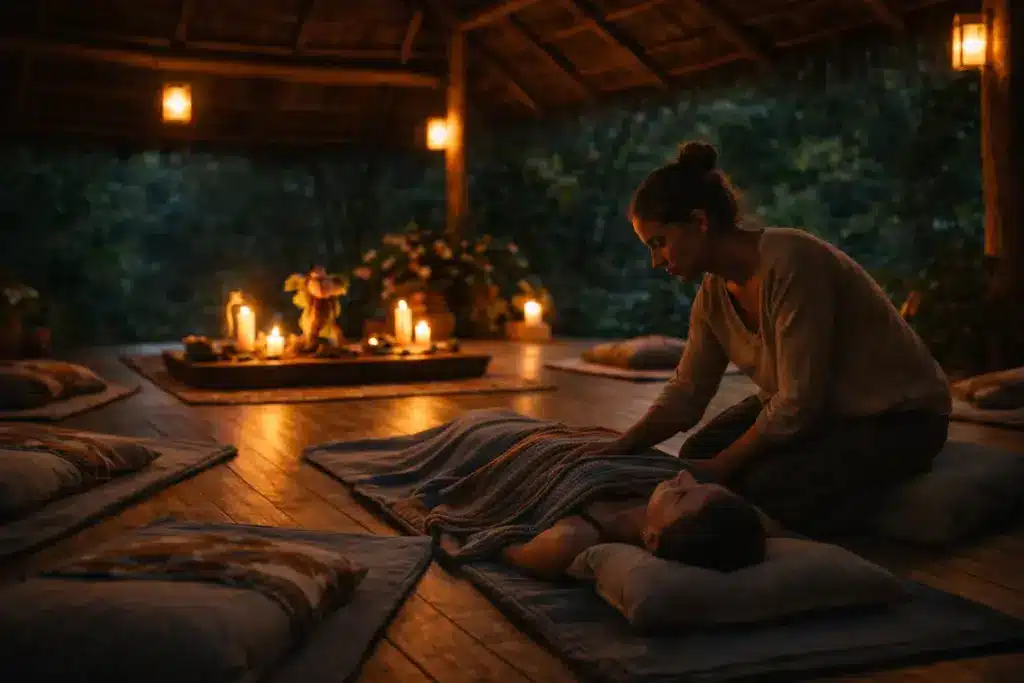
During an Ayahuasca ceremony, participants often enter a vulnerable and sensitive state that calls for experienced guidance and attentive care. Choosing a retreat with appropriate safeguards and adequate support provides the stability needed throughout the process. Retreats priced significantly below typical ranges may be operating with fewer resources, which can affect the overall quality and integrity of the journey.
Approaching this decision with discernment and thoughtful consideration helps you prioritize the level of care and support essential for the journey.
How Levels of Care May Differ
Lower-cost retreats are not defined only by simpler accommodations. In some cases, they may lack the fundamental infrastructure which can affect the depth of care and overall quality of the experience.
Common areas where lower-cost retreats may fall short include:
Medical Screening: Reputable retreats conduct thorough health and medication screening to identify potential risks and contraindications. The lack of proper screening may indicate inadequate preparation and care.
Facilitator Experience: Retreats with fewer resources may rely on less experienced staff, which can affect the level of guidance and care provided. Truly skilled facilitators, who can hold space and navigate the complex energies of a ceremony, are an important investment.
Group Size and Level of Support: To maintain profitability with lower prices, some retreats maximize the number of participants in ceremony. This can significantly reduce the level of personal attention provided, leaving you feeling lost in the crowd when you may need support the most.
The Hidden Costs Of A Inexpensive Retreat
While you might save money initially on a budget retreat, it’s important to consider the potential hidden expenses associated with a poorly organized retreat. A challenging journey without adequate support may lead to psychological distress, leaving you feeling more fragmented than when you arrived.
Rather than returning home with clarity and a sense of peace, you may find yourself needing to spend more in therapy and support services just to process the experience. The true value lies in a retreat that offers a framework for enduring, positive change.
“A well-planned retreat is structured not only for the ceremony itself but also for the essential days that follow. The integration process—understanding the experience and incorporating it into everyday life—is as crucial as the visions themselves. Inexpensive retreats often overlook this key aspect.”
This is why it’s important to understand the ethics behind a retreat’s pricing. The relationship between commerce and sacred practices is intricate. It’s essential to support centers that conduct themselves with integrity. For further insight, you can explore the principles of profit versus reciprocity in the Amazon.
Recognizing A Quality, Fairly-Priced Center
So, how can you tell if a center is worth the price? It comes down to looking for signs of professionalism, safety, and a genuine commitment to your well-being. True value is measured in expertise and care, not just the lowest number on a website.
Indicators of a Trustworthy Retreat:
Transparent Safety Protocols: They openly discuss their medical screening, emergency procedures, and staff qualifications. No secrets.
Experienced Leadership: The healers and facilitators have a verifiable lineage, extensive training, and a deep, long-term relationship with the medicine.
Low Guest-to-Staff Ratio: They prioritize individualized attention by ensuring there are more than enough experienced facilitators to support every single participant.
Emphasis on Integration: The program includes structured support, like group sharing circles and workshops, to help you make sense of your journey before heading home.
Ultimately, when you ask “how much is an Ayahuasca retreat,” the answer should be framed as an investment in your safety and personal growth. A fairly priced retreat invests in the people, protocols, and environment needed to guide you through this powerful work responsibly, ensuring the journey is healing, not harmful.
Answering Your Questions About Ayahuasca Retreat Costs
As you move closer to choosing a retreat, practical considerations naturally come into focus. Understanding the financial aspect is an important part of preparing for the journey. Below, we address some of the most common questions about the cost of an Ayahuasca retreat to help you plan with clarity and confidence.
We’ll explore how payment structures typically work, what to consider when evaluating value and quality of care, and how to prepare for expenses beyond the price of the retreat. Approaching this step with awareness supports a more grounded and informed decision as you prepare for your experience.
Are There Ways To Find More Affordable Ayahuasca Retreats?
Yes. With thoughtful planning and flexibility, there are ways to reduce costs without compromising the quality of care. Many reputable retreats offer early booking discounts if reservations are made several months in advance, which can provide significant savings while securing a space at a well-established retreat.
Some retreats also provide volunteer or work-exchange opportunities. In these cases, volunteers contribute to daily operations such as meal preparation, gardening, or general upkeep in exchange for a reduced rate. If considering this path, it’s important to ensure that screening, facilitation, and overall support remain consistent for volunteers as they are for full-paying guests.
And, of course, the simplest way to lower costs is to choose shared accommodations rather than a private room—that alone can lead to substantial savings.
Do I Have to Pay the Entire Retreat Cost Upfront?
In most cases, no. Many reputable retreats offer a clear and structured payment plan rather than requiring full payment in advance. This approach allows you to commit while managing your financial planning with greater ease.
Most retreats ask for an initial deposit, typically between $500 to $1,000, to reserve your space. The final balance is usually due somewhere between 30 to 90 before the retreat begins. This helps make the financial commitment more manageable. Before submitting any payment, take time to review the retreat’s cancellation and refund policies so you understand the terms clearly and can move forward with confidence.
How Much Extra Money Should I Budget For My Trip?
This is an important consideration, as the retreat fee itself rarely reflects the full cost of your trip. Planning ahead can help you avoid unnecessary stress and remain fully present during your experience. As a general guideline, many travelers budget an additional $300 to $600 for a typical week-long retreat.
What expenses does this additional amount cover?
Comprehensive travel insurance: Most reputable retreats require comprehensive medical and travel coverage.
Ground transportation: Transfers between the airport and the retreat location are not always included, especially when traveling to more remote areas.
Gratuity: It’s customary to offer a gesture of appreciation to the healers, facilitators, and staff who support and care for participants.
Optional therapies: Some retreats offer complementary services such as bodywork, acupuncture, private sessions, or additional healing modalities, which may involve extra cost.
Setting aside additional funds allows you to remain fully present and enjoy your experience, rather than being distracted by unexpected expenses.
“A higher price often correlates with better safety protocols, more comfort, and deeper support. However, it does not automatically guarantee a “better” spiritual or healing experience. The ideal retreat is one that resonates with your specific needs and intentions.”
Does a Higher-Priced Retreat Offer a Better Experience?
Not necessarily. While price often reflects factors such as facilitator experience, medical oversight, group size, and integration support, it does not by itself determine the depth or meaning of a person’s journey. These elements can contribute to a more structured and well-supported setting, yet the quality of the experience remains deeply personal.
Some individuals feel most aligned in a simple, traditional setting, while others benefit from a retreat that offers greater structure, comfort, and professional support. What matters most is choosing an environment that matches your level of readiness and allows you to meet the experience with calm presence, openness, and trust.
The key is to view price as just one part of your research. Consider it alongside reviews from past participants, the center’s screening and safety practices, and the experience and lineage of the facilitators. Together, these elements can help you choose a retreat that aligns with your needs, intentions, and personal path.
Disclaimer: The information provided on Ayahuasca.com is for educational purposes only and is not intended as medical advice, diagnosis, or treatment. Ayahuasca is a powerful traditional Amazonian medicine and may not be suitable for everyone. Always consult with a qualified healthcare professional before making decisions related to health, mental well-being, medications, or the use of Ayahuasca.