
When the ceremony ends, the real journey begins. The long-term effects of Ayahuasca can be profound, leading to everything from lasting improvements in mental well-being to fundamental shifts in how a person sees themselves and the world. While many report significant, positive changes like reduced depression and anxiety, some may also face ongoing psychological or physical challenges.
Beyond The Ceremony: Lasting Changes From Ayahuasca
After the intense, visionary hours of an Ayahuasca ceremony fade, what’s left? The conversation around this ancient Amazonian brew is finally moving past just the immediate experience. We’re now asking the more important question: what happens in the weeks, months, and even years that follow? To truly understand the long term effects of Ayahuasca, we have to look past personal stories and dive into the science that’s starting to catch up.
This guide is designed to give you a balanced, clear-eyed view of the whole spectrum of outcomes. We’ll look at how these experiences can create ripples through a person’s life, touching everything from their mood to their core beliefs.
A Foundation For Understanding
The long-term impact of Ayahuasca is not a roll of the dice; it’s heavily influenced by a few key factors that work in concert. Think of these not as minor details, but as the essential pillars that support a safe and constructive journey.
- Set and Setting: This is a classic for a reason. “Set” is your mindset—your intentions, your mental state, your preparedness. “Setting” is the physical and social environment of the ceremony itself. A healthy mindset in a safe, supportive space is absolutely foundational for positive long-term change.
- Facilitator Guidance: The skill, experience, and integrity of the shaman or facilitator leading the ceremony are paramount. A competent guide creates a container of physical and psychological safety, which is a non-negotiable for lasting benefits.
- Integration Practices: This might be the most crucial piece of the puzzle. Integration is the work you do after the ceremony to understand the insights you received and weave them into your daily life. Without dedicated integration, even the most earth-shattering revelations can evaporate like a dream.
This visual map helps illustrate how the tea’s influence can branch out, affecting mind, body, and personal growth in interconnected ways.
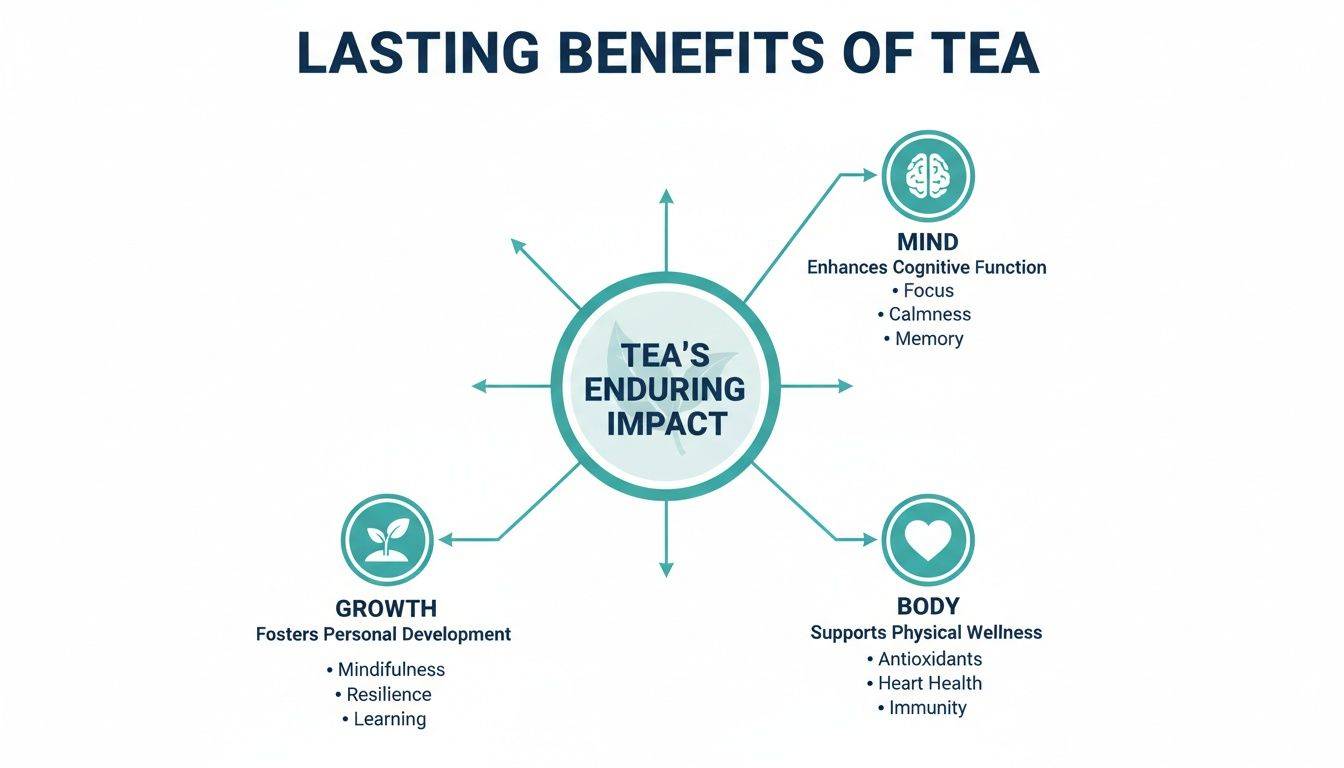
The image underscores that the journey touches on mental wellness, physical health, and personal growth, highlighting just how deeply these areas are linked.
“The journey with Ayahuasca doesn’t end when the ceremony does. The real work is in weaving the threads of that experience into the fabric of your daily existence, turning insight into action.”
To offer a clearer snapshot, this table summarizes the potential long-term effects, both the good and the challenging, that research and observation have highlighted so far.
Summary of Potential Long Term Effects of Ayahuasca
This table provides a high-level summary of the potential long-term effects of Ayahuasca across different domains, based on current scientific research and observational studies.
| Domain | Potential Positive Effects | Potential Risks or Negative Effects |
|---|---|---|
| Mental Health | Sustained reductions in depression, anxiety, PTSD, and substance use disorders. Increased well-being and life satisfaction. | Risk of psychosis in predisposed individuals. Potential for derealization or depersonalization. |
| Cognition & Neurobiology | Enhanced creativity, divergent thinking, and mindfulness. May promote neurogenesis (new brain cell growth). | Limited research on cognitive deficits, but high doses could potentially pose risks. |
| Personal & Spiritual | Increased self-awareness, empathy, and spiritual connection. Shifts in personal values and life purpose. | Spiritual emergencies or existential crises if not properly integrated. |
| Social & Interpersonal | Improved relationships due to increased empathy and emotional processing. Greater connection to nature and community. | Potential for social alienation if insights are difficult to communicate or integrate into existing life. |
| Physical Health | Some users report improvements in psychosomatic conditions. Potential anti-inflammatory effects are being studied. | Risks associated with MAOI interactions with certain foods and medications. Cardiovascular risks for some individuals. |
This overview isn’t exhaustive, but it provides a framework for understanding the multifaceted nature of Ayahuasca’s lasting impact.
As we continue, we’ll explore each of these areas in much greater detail. From the scientific evidence for mental health benefits to the real-world risks and critical safety measures, you’ll get the full picture needed to understand the profound and enduring changes Ayahuasca can bring about.
Lasting Improvements in Mental and Emotional Health
One of the most compelling reasons people seek out Ayahuasca is for its potential to spark deep, lasting psychological healing. For many, the experience is not just a fleeting moment of insight; it’s the beginning of a profound shift in their mental and emotional world that continues long after the ceremony ends. This often translates into sustained relief from tough, persistent conditions like depression, anxiety, and post-traumatic stress.
You can think of the Ayahuasca journey as a powerful catalyst. It helps people pull back the curtain on their own minds, re-examining deeply ingrained thought patterns and emotional reactions. This process often paves the way for greater self-acceptance and a more compassionate way of relating to both themselves and others.
Reframing Past Trauma and Negative Cycles
For so many people, the Ayahuasca experience offers a completely new vantage point for looking at old traumas. It’s almost like being able to step outside of a tangled, painful story and see it with fresh eyes, free from the heavy charge of fear and pain. A person might revisit a difficult memory not as the victim at the center of it, but as an observer. From this new perspective, they can finally understand how that event shaped their beliefs and behaviors.
This shift in perspective can be incredibly liberating, especially for breaking free from negative thought loops. Imagine someone who has struggled with low self-worth their entire life. During a ceremony, they might trace that feeling back to a specific experience in childhood. By reframing this memory with a new sense of understanding and compassion for their younger self, they can start to dismantle the harsh inner critic that’s been running the show for years. The goal is changing its power over the present, not erasing the past.
This is very similar to a well-known psychological concept called cognitive reappraisal.
“Cognitive reappraisal is simply the ability to change how you think about a situation to alter your emotional response. Ayahuasca seems to supercharge this process, helping people find new, healthier meanings in their own life stories.”
This new outlook allows them to respond to life’s challenges with more flexibility and resilience, rather than getting stuck in the same old automatic reactions. It’s like rewriting the internal software that governs how we feel.
Building Lasting Psychological Resilience
The insights that surface during a ceremony are not just abstract ideas; they often translate into real, tangible skills for managing emotions and stress in everyday life. This is where the long-term benefits really begin to take root, and the research is starting to catch up with these firsthand accounts.
Longitudinal studies, for instance, are showing how these mental health gains can stick around. One compelling study with MENA migrants found significant and lasting drops in depression, anxiety, and shame that persisted for three to four months after their ceremonies. These individuals also showed notable increases in self-compassion and their skill in using cognitive reappraisal, with most reporting no lasting negative effects. You can read the full study about Ayahuasca’s psychological benefits to see the data for yourself.
This suggests Ayahuasca is not just a temporary fix. It can act as a tool to help build a stronger, more resilient psychological foundation. The long-term benefits people often report include:
- Greater Emotional Regulation: The ability to observe your emotions without being completely swept away by them.
- Increased Self-Compassion: Learning to treat yourself with the same kindness you’d offer a friend.
- A Renewed Sense of Purpose: Gaining clarity on what truly matters and where you want to go in life.
- Improved Interpersonal Relationships: Fostering deeper, more authentic connections through enhanced empathy.
This kind of personal growth is often tied to the brew’s potential effects on the brain’s chemistry and structure. To get a better grasp of the “how,” check out our guide on how Ayahuasca may influence neurogenesis and depression.
Ultimately, a well-supported Ayahuasca journey can empower people to build lasting resilience. It offers a unique window to confront difficult parts of yourself, integrate those experiences, and emerge with a more whole and hopeful outlook on life. It truly highlights Ayahuasca’s potential as a powerful ally for deep, sustainable healing when approached with respect and careful preparation.
How Ayahuasca Affects Cognition and Brain Health
Let’s be honest, one of the first questions people have about plant medicines is what they do to your brain long-term. It’s a fair concern. We’ve all heard stories, and there’s a natural fear that repeated use of something so powerful could lead to cognitive decline. But when we look at the actual research emerging around Ayahuasca, the story gets a lot more interesting and often points in the completely opposite direction.
Instead of the brain-frying narrative we might expect, a growing body of evidence suggests that responsible, long-term use may actually support and even enhance brain health. This is a huge shift, moving the conversation away from outdated fears and toward a more nuanced, data-driven look at how Ayahuasca really interacts with our neural hardware.
Promoting New Brain Connections
To understand what’s happening, we need to talk about two key ideas: neuroplasticity and neurogenesis.
Think of neuroplasticity as your brain’s ability to remodel itself by forming new connections between neurons. It’s like a city building new roads and overpasses to ease traffic jams and create more efficient routes. Neurogenesis, on the other hand, is the actual birth of new brain cells, akin to adding entirely new buildings and neighborhoods to the city.
Early scientific findings suggest that the active compounds in Ayahuasca might kickstart both of these processes. By encouraging the brain to become more flexible and adaptable, it can help us break free from the rigid, looping thought patterns that are so common in conditions like depression and anxiety. This “rewiring” is where the potential for lasting change really lies.
“The brain isn’t a static organ; it’s a dynamic, living network that’s constantly changing. Ayahuasca appears to act as a catalyst for this natural adaptability, potentially helping to repair old circuits and build healthier, more resilient new ones.”
This enhanced flexibility might be why so many long-term practitioners report a major boost in their creative thinking and problem-solving skills. They often describe feeling less “stuck” in their usual ways of thinking, which opens the door for fresh ideas and perspectives to show up in their daily lives.
Preserving and Enhancing Cognitive Function
This is not just theory. Real-world studies are starting to provide some compelling data. A landmark study on regular Ayahuasca users in Spain and the Netherlands directly challenged the old fears of cognitive damage. The researchers found that, compared to non-users, these individuals showed not only preserved overall cognitive function but also slight improvements in certain neuropsychological skills and better memory performance. You can learn more about these cognitive findings directly from the study, which paints a picture of cognitive preservation, not decline.
These results line up perfectly with what you hear anecdotally from people who have participated in Ayahuasca ceremonies for years. They often talk about a newfound sense of mental clarity, sharper focus, and an uncanny ability to access old memories.
To break it down, here are some of the specific cognitive enhancements often mentioned by seasoned users:
- Improved Convergent and Divergent Thinking: This is a fancy way of saying they get better at both finding the one right answer to a problem and brainstorming lots of unique, creative ideas.
- Increased Mindfulness: A greater ability to stay present and aware, a skill that’s been directly linked to better attention and cognitive control.
- Enhanced Self-Reflection: Deeper access to personal insights and the ability to analyze one’s own thoughts and behaviors with more clarity.
Of course, the research is still in its early days, and individual experiences can vary wildly. Things like dosage, frequency of use, a person’s genetics, and crucially, the integration work done after the ceremonies all play a massive role in shaping the long-term effects of Ayahuasca on cognition. Still, the evidence we have so far offers a reassuring, even hopeful, perspective: when used with intention and respect, Ayahuasca may just be an ally for the brain, not an adversary.
The Body’s Story: Navigating Ayahuasca’s Physical Footprint
When we talk about Ayahuasca, the conversation naturally gravitates toward the mind-bending visuals and profound spiritual insights. But what about the body? It’s just as much a part of the journey, and it’s crucial to have a clear-eyed view of how Ayahuasca can affect us physically over the long haul.
The concern is not just about the immediate purging or nausea, which are well-known parts of the ceremony. Some people notice physical sensations that linger. The key is to separate fear from fact and look at what the research actually says about how common these effects are and, more importantly, how they truly affect people’s day-to-day lives.
The picture that emerges is nuanced. While lasting physical sensations are not exactly rare, they are very seldom debilitating. This distinction is everything for someone weighing the long-term physical implications of working with this medicine. It lets us move from a place of anxiety to one of informed awareness.
Putting Persistent Physical Effects in Context
The idea of any physical sensation sticking around after such a powerful experience can sound unsettling. This is where large-scale research becomes so valuable, it helps us understand the difference between a commonly reported, yet benign, sensation and a genuinely problematic side effect.
The Global Ayahuasca Survey, a landmark study with over 10,000 participants from 50 countries, gives us the clearest data we have. It found that 41.86% of people reported some kind of lasting physical effect after their ceremonies. But here’s the critical piece of the puzzle: only a tiny fraction, just 3.89%, felt these effects negatively impacted their daily lives in a significant way.
This points to a reassuring reality. A good number of people might notice their body feels a bit different afterward, but for the vast majority, these feelings are neutral, manageable, and don’t get in the way of living a full life.
What Do These Sensations Actually Feel Like?
So, what are people actually experiencing? The reports are quite varied, but they generally fall into a few categories.
- Sensory Shifts: Some people mention a subtle but persistent change in their senses, like being more sensitive to bright lights or loud sounds. It’s not necessarily unpleasant, just different.
- “Energetic” Feelings: This is a common one. People describe a feeling of energy buzzing or flowing through their body, almost like a faint tingling or vibration that wasn’t there before.
- Somatic Echoes: Occasionally, someone might re-experience a physical sensation that was tied to a big emotional release during a ceremony. It’s as if the body is recalling and continuing to process the memory.
“The body often holds the score of our life experiences. Persistent physical sensations after Ayahuasca can sometimes be the body’s way of continuing to process and release old patterns long after the ceremony has concluded.”
For most, these sensations aren’t painful or distressing. They often just become a new physical baseline, a heightened awareness that fades into the background of their normal experience over time.
Pinpointing the Risk Factors
The research is also beginning to shed light on what might make someone more likely to have a negative physical outcome. Understanding these risk factors is key to approaching Ayahuasca safely and making an informed decision.
Unsurprisingly, one of the biggest factors is the setting. Drinking Ayahuasca in an unsupervised environment, without an experienced facilitator, dramatically elevates every single risk, including the physical ones. A skilled guide knows how to create and hold a space that supports both psychological and physical well-being.
Other risk factors that have been identified include:
- Frequency of Use: Using Ayahuasca very frequently without giving yourself enough time to integrate the experience can tax the body and mind, potentially increasing the chance of persistent effects.
- Pre-existing Health Conditions: This is a big one. Anyone with underlying health issues, especially cardiovascular problems, needs to be extremely cautious and consult with a medical professional.
- Individual Constitution: While it’s not a hard-and-fast rule, a person’s overall physical health, age, and resilience can play a role in how their body responds and bounces back.
When all is said and done, the physical side of long-term Ayahuasca use seems to be manageable for most people. The data strongly suggests that severe, lasting negative physical impacts are rare, particularly when the work is done in a safe, supported, and well-held container. By understanding the potential effects and the known risks, you can approach the experience with a grounded and realistic perspective on your physical health.
Essential Safety and Health Considerations
While it’s easy to focus on the incredible healing potential of Ayahuasca, it’s absolutely crucial to remember we’re dealing with a profoundly powerful substance that demands respect and caution. Simply put, Ayahuasca is not for everyone. Knowing the risks and contraindications is not just a good idea, it’s the essential first step for anyone considering this path.
Any reputable facilitator or retreat center will put you through a comprehensive screening process. This is not about being exclusionary; it’s about protecting you. The long-term effects you experience are deeply connected to where you start, both physically and mentally. Skipping these safety checks can lead to serious, even dangerous, outcomes.
Pre-Existing Psychological Conditions
For people with certain mental health histories, Ayahuasca can be a serious risk. The experience unearths intense psychological material, which can be destabilizing rather than therapeutic for those with underlying vulnerabilities.
A personal or family history of psychosis is the biggest red flag. This is a critical point of screening for a reason.
- Schizophrenia: For anyone with a predisposition to schizophrenia, Ayahuasca can trigger a psychotic episode.
- Bipolar Disorder: The powerful nature of the experience can push someone into a manic episode or deepen a depressive state, making the condition far more difficult to manage.
- Other Psychotic Disorders: Any history of psychosis is a major contraindication. In nearly all cases, it means Ayahuasca should be avoided entirely.
“The point of an Ayahuasca ceremony is to open a door to healing, not to trigger a crisis. Proper psychological screening is there to ensure you have the stability needed to navigate such a powerful journey safely.”
This is exactly why experienced centers are so thorough in their assessments. Being completely honest about your mental health history is not just a requirement, it’s a fundamental act of self-care. It ensures you’re not taking an unnecessary and potentially harmful risk.
Critical Medication and Physical Health Interactions
Just as critical as the psychological screening is the review of your physical health, especially any medications you’re taking. The Ayahuasca brew contains a monoamine oxidase inhibitor (MAOI), a key chemical component that allows the visionary effects to happen. This MAOI, however, can have dangerous and sometimes fatal interactions with a whole list of common medications and even some foods.
The most severe interaction is with antidepressants, particularly Selective Serotonin Reuptake Inhibitors (SSRIs). When you mix SSRIs with an MAOI, you risk a life-threatening condition known as serotonin syndrome. This can cause high fever, seizures, and even cardiac arrest. It is absolutely vital that you disclose every single medication you are taking. You can dive deeper into the specific foods and meds to avoid with MAOIs in our detailed guide.
Medications aren’t the only concern. Certain physical health issues also rule out Ayahuasca for safety reasons.
- Serious Heart Conditions: Ayahuasca temporarily raises your heart rate and blood pressure. For someone with a cardiovascular problem, this can be extremely dangerous.
- Severe Liver or Kidney Problems: Your liver and kidneys do the heavy lifting of processing the compounds in the brew. If they aren’t functioning well, it can lead to serious complications.
Ultimately, safety comes first. A thorough and honest screening process is not a hurdle to overcome; it’s the responsible gateway to a journey that has the best chance of being truly beneficial.
Why Integration Is Key to Lasting Change
For many, the Ayahuasca ceremony itself, with its intense visions and deep emotional purges, feels like the main event. It’s easy to think that’s where the work ends. But in reality, the ceremony is not the finish line; it’s the starting block. The real journey toward lasting, positive change begins after the ceremony is over.
This vital next step is what we call integration. Think of it this way: the ceremony cracks open a door to parts of your psyche you rarely see, offering profound personal insights. Integration is the patient, deliberate process of walking through that door and weaving what you’ve learned into the very fabric of your daily life. Skip this part, and even the most world-altering revelations can evaporate, fading like a vivid dream just moments after you wake up.

What Does Integration Look Like?
Integration is not something that just happens to you. It’s an active, conscious commitment to grounding the wisdom from your journey into tangible changes in your thinking, your habits, and how you relate to others. It’s the essential bridge between the mystical realm of the ceremony and the often-messy reality of everyday life.
The whole point is to translate what you learned into a new way of being. This process helps lock in the new neural pathways that may have started forming during the ceremony, turning a temporary shift in perspective into a permanent part of who you are. The actual practices can look very different from person to person, but they all share a common theme: mindful reflection and real-world application. For a closer look, you might find our guide on the importance of psychological integration after a ceremony helpful.
Practical Steps for Meaningful Integration
Making a real, lasting impact means you need a toolkit of practices that keep you connected to the experience. The trick is to find what truly resonates with you and build it into a consistent routine.
Here are some of the most effective integration practices people use:
- Journaling: Simply writing down what happened, what you felt, and what you’re thinking about helps you make sense of it all. It also creates a personal map you can return to later, often discovering new layers of meaning as time passes.
- Meditation and Mindfulness: These practices are all about creating quiet space to observe your inner world without judgment. This makes it so much easier to catch old, unhelpful patterns as they pop up and consciously choose a different, healthier response.
- Connecting with Nature: Spending quiet time outdoors can be an incredibly grounding force. It helps you sync up with the simple, calming rhythms of the natural world, reinforcing the feelings of interconnectedness that are so common in ceremonies.
- Therapy or Coaching: Working with a professional who gets the psychedelic experience can be a game-changer. They offer a safe, confidential space to unpack difficult material and help you create practical strategies for change.
- Community Connection: You don’t have to do this alone. Sharing what you went through with a trusted community or an integration circle provides validation and support. Sometimes, just hearing someone else’s story can unlock a new perspective on your own.
“Integration is the art of translating the extraordinary language of the ceremony into the everyday dialect of your life. It ensures the wisdom gained becomes a living part of you, not just a memory.”
When it comes down to it, seeing integration as a non-negotiable part of the Ayahuasca path is what makes all the difference. It’s the commitment to this ongoing work that transforms a powerful night into a lifetime of personal growth and well-being.
Your Questions Answered
When you start digging into Ayahuasca’s long-term effects, a lot of questions naturally come to mind. Let’s tackle some of the most common ones with clear, straightforward answers.
Can Ayahuasca Permanently Change My Personality for the Worse?
This is a big concern for many, but the current research doesn’t point to this being a typical outcome. In fact, studies usually report the opposite, positive shifts like people becoming more open, agreeable, or compassionate with themselves.
However, the risk is not zero. The real danger lies with individuals who have pre-existing vulnerabilities, especially a personal or family history of psychosis (like schizophrenia or bipolar disorder). For these individuals, the risk of a negative, lasting psychological event is significantly higher.
This is exactly why proper screening and a supportive, well-held setting are non-negotiable. For most people who are properly screened, the lasting changes tend to be positive ones that line up with their own goals for growth.
How Long Do the Mental Health Benefits Actually Last?
This really varies from person to person. Clinical studies have tracked significant improvements, like reduced depression symptoms, for at least three to four months after a ceremony. Anecdotally, countless people report that the positive shifts continue for years, but there’s a catch: it almost always involves dedicated integration work.
The longevity of the benefits seems to hinge on a few key things:
- What’s going on in your daily life and environment post-ceremony.
- Whether you have access to follow-up support, like a therapist or a community to talk with.
- Your ability to actively apply the insights you gained to your everyday challenges and relationships.
Think of Ayahuasca less as a one-and-done cure and more as a powerful catalyst that kicks off a longer process of change.
“The positive effects aren’t just something that happens to you. They are cultivated through conscious effort and integration, turning a powerful experience into a new way of living.”
Is It Safe to Use Ayahuasca Regularly Over Many Years?
Researchers have looked into this by studying members of syncretic churches like the Santo Daime and União do Vegetal, where people have been drinking Ayahuasca regularly for decades as part of their spiritual practice. These studies have not found evidence of long-term cognitive decline or major physical health problems. If anything, they often show good overall mental health and well-being within these communities.
But context is everything. The safety observed in these groups is tied to a very specific set of conditions: a consistent, known quality of the brew, strong community support, and guidance from experienced leaders who have screened their members.
Using it unsupervised, or in a poorly-run retreat outside of a structured, traditional setting, could carry far greater risks. When it comes to long-term use, responsible practice is the absolute cornerstone of safety.
Disclaimer: The information provided on Ayahuasca.com is for educational purposes only and is not intended as medical advice, diagnosis, or treatment. Ayahuasca is a powerful traditional Amazonian medicine and may not be suitable for everyone. Always consult with a qualified healthcare professional before making decisions related to health, mental well-being, medications, or the use of Ayahuasca.