
An Ayahuasca retreat in Cusco offers a profound chance to connect with ancient plant medicine, all while surrounded by the powerful spiritual landscape of the Andean highlands. This region has become a true global hub for people seeking deep healing and self-discovery, beautifully blending Amazonian traditions with the unique energy of the Sacred Valley.
Why Cusco Is a Global Center for Ayahuasca Journeys
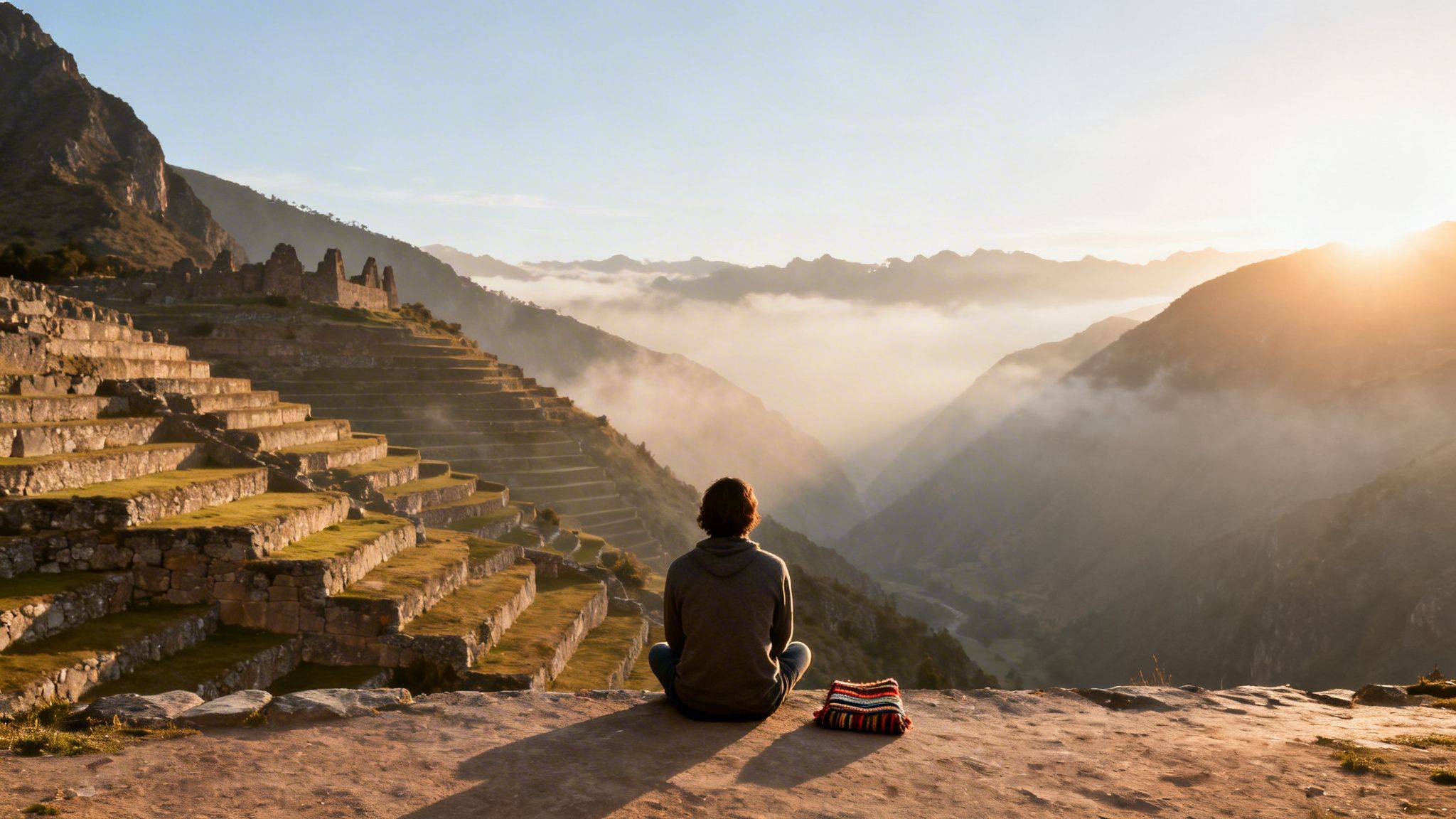
Cusco was once the heart of the Inca Empire, but it is so much more than a historical wonder. It is a place where the mystical energies of the high Andes mountains converge with the deep-rooted shamanic traditions flowing from the Amazon rainforest. This powerful meeting of worlds creates a uniquely potent environment for working with Ayahuasca.
Seekers from across the globe are drawn here, not just for the medicine itself, but for the sacred context that holds the entire experience. Many believe the region, especially the Sacred Valley, has a grounding and protective energy, making it an ideal setting for the profound inner work that Ayahuasca facilitates.
The Fusion of Traditions
Unlike retreats held deep in the Amazon jungle, an Ayahuasca retreat in Cusco often weaves in elements of Andean spirituality. This blend can create a richer, more layered experience for participants.
Here is what makes this combination so special:
- Amazonian Shamanism: At the core, you have the traditional practices. This includes the ceremonial preparation of the brew and the guiding songs, known as icaros, which come directly from Amazonian indigenous cultures like the Shipibo.
- Andean Spirituality: These traditions are often woven into the retreat through rituals like offerings to Pachamama (Mother Earth) and coca leaf readings, connecting your personal journey to the ancient landscape around you.
- A Grounding Influence: The high-altitude environment and the palpable presence of the mountain spirits, called Apus, are said to provide a powerful, stabilizing force during the ceremonies.
A Hub for Healing and Growth
The growing demand for authentic healing experiences has turned Cusco into a premier destination for plant medicine work. It now draws thousands of international seekers every year, with visitors from the US, Canada, and Europe making up over 80% of participants, according to booking trends.
This is not just a local trend. It is part of a global boom. Since 2019, online searches for ‘Ayahuasca retreats Cusco’ have shot up by more than 300% on travel sites, often sparked by podcasts and new research highlighting Ayahuasca’s potential. Of course, the growth of tourism has also led to some notable transformations in how traditional ayahuasca is practiced.
This popularity means you have a wide array of centers to choose from, each offering a slightly different approach. For anyone pursuing mental clarity, emotional release, or a deeper spiritual connection, the journey to Cusco is a powerful invitation.
Choosing the Right Ayahuasca Retreat: A Deep Dive into Safety and Authenticity
Let’s be clear: picking the right Ayahuasca retreat is the most critical decision you will make. The boom in plant medicine tourism, especially around Cusco, has created a crowded market. It is easy to get swayed by a slick website, but what really matters are the things that ensure you have a safe, supportive, and genuinely profound experience. Your well-being has to be the absolute priority, and any retreat worth its salt will feel the same way.
This means you need to become a bit of an investigator. Think of it like hiring a guide to take you deep into the Amazon. You would not just pick the one with the flashiest brochure; you would want someone with proven experience, deep integrity, and a palpable respect for the jungle. The goal here is to find a center that not only feels right in your gut but also holds up to serious scrutiny.
The Heart of the Ceremony: Vetting the Shaman and Facilitators
The experience and lineage of the shaman, often called a Maestro or Maestra, are the bedrock of a safe and powerful ceremony. This is not a job title someone just decides to adopt. It is the result of years, sometimes decades, of grueling training, deep personal sacrifice, and a direct apprenticeship with the plants and elder teachers. A real shaman is the anchor of the ceremony, holding the energetic space for the entire group, guiding the journey with their sacred songs (icaros), and providing crucial spiritual protection.
When you are looking at retreats, you need to see total transparency about their shamanic team. Here is what to dig into:
- Lineage and Training: Where did the shaman learn their craft? Do they come from a recognized tradition, like the Shipibo of the Amazon jungle or the Q’ero of the Andes? Be wary of vague answers.
- Real-World Experience: How many years have they been serving medicine? Just as important, how long have they been working with Westerners? The challenges can be quite different.
- The Support Team: A shaman’s work is largely in the energetic realm. That is why trained facilitators are your lifeline on the ground. A good ratio to look for is at least one facilitator for every five to seven participants.
These facilitators are your immediate point of contact during a ceremony. They should be well-versed in navigating Ayahuasca space themselves and know how to help someone who is struggling, whether that means offering a comforting presence, helping them get to the bathroom, or just being there with a glass of water and a steady hand.
Don’t Skip the Fine Print: Safety and Screening Protocols
A responsible retreat center puts safety above everything else. Period. This starts long before you even arrive, with a mandatory and thorough medical and psychological screening process. Ayahuasca has serious, potentially dangerous contraindications with certain medications (especially SSRIs and other antidepressants) and health conditions like heart problems.
“Any center that is casual about your medical history or skips a detailed health screening is a massive red flag. Reputable, integrity-driven retreats will always have a comprehensive intake process to make sure the medicine is truly a safe and appropriate path for you.”
Before you even think about putting down a deposit, confirm they have clear safety protocols. Do they have staff trained in first aid? What is the plan for a medical emergency? How far are they from a proper medical facility? The whole operation should feel professional and organized, giving you the confidence that you are in truly capable hands.
Finding Your Fit: A Center’s Philosophy and Approach
Not all Ayahuasca retreats are created equal. Their underlying philosophy can vary wildly, so it is important to find one that aligns with what you are looking for. Some centers are staunchly traditional, sticking closely to indigenous Amazonian practices. Others, especially in the Cusco area, might offer an Andean-fused approach, weaving in local rituals like coca leaf readings or offerings to Pachamama (Mother Earth). You will also find centers that blend shamanism with more modern therapeutic tools, like psychology or somatic work.
The sheer number of options can be overwhelming. The retreat landscape in Cusco boasts over 1,400 Ayahuasca programs listed for 2026, with 390 of those specifically in Peru’s Cusco region alone, showing just how much of a hub it has become. This is where reading participant testimonials becomes invaluable. They cut through the marketing spin. One visitor might praise a Sacred Valley retreat for its “amazing maestros,” while another review might highlight feeling “completely comfortable” despite traveling solo. Honest reviews are your best tool for separating the legitimate centers from the tourist traps. You can start your research by browsing through top-rated Cusco retreats on Retreat.guru.
To help you stay organized, I have put together a checklist of the key things to look for when you are doing your research.
Retreat Vetting Checklist
Use this quick reference guide to help you assess the safety and authenticity of an Ayahuasca retreat in Cusco.
| Vetting Criteria | What to Look For |
|---|---|
| Shaman & Facilitators | Clear shamanic lineage, extensive experience (10+ years), good facilitator-to-guest ratio (1:5 is great), and positive reviews about the support staff. |
| Safety & Screening | Mandatory, detailed medical and psychological intake forms. Clear protocols for emergencies and staff trained in first aid. |
| Group Size | Smaller groups (under 15 participants) generally allow for more individual attention from the shaman and facilitators. |
| Authenticity & Philosophy | A clear philosophy that resonates with you (e.g., traditional, therapeutic, blended). Transparency about their practices and where their medicine comes from. |
| Reviews & Reputation | Look for independent, detailed reviews on third-party sites. Are there consistent themes, both positive and negative? |
| Communication | Are they responsive, professional, and willing to answer all your questions thoroughly? Do they seem to genuinely care about your well-being? |
| Pricing & Inclusions | Is the pricing transparent? Be wary of prices that seem too good to be true. Understand exactly what is included (meals, accommodation, transport, etc.). |
Taking your time with this vetting process is the best thing you can do for yourself.
Ultimately, choosing a safe and authentic Ayahuasca retreat in Cusco comes down to doing your homework. Be patient, ask a ton of questions, and listen to your intuition. This careful groundwork is the first and most important step toward having the profound and meaningful experience you are seeking.
4. Preparing Your Mind, Body, and Spirit for Ayahuasca
The real journey into an Ayahuasca experience starts long before you ever set foot in Cusco. Think of this preparation period, known traditionally as the dieta, as intentionally creating a clean, quiet, and receptive space within yourself. By clearing out the clutter, physical, mental, and emotional, you make room for the subtle yet powerful lessons the medicine has to share.
This is not just about following rules; it is an act of deep respect for the plant, the tradition, and most importantly, for your own healing process. Skipping this step is like trying to hear a whisper in the middle of a rock concert. The preparation helps you dial down the noise so you can tune into the wisdom waiting for you.
The Physical Dieta: Purifying Your Body
The foundation of any solid preparation for an Ayahuasca retreat in Cusco is the physical diet. The entire point is to remove foods and substances that can clash with the medicine or just create unnecessary static in your system. This is non-negotiable for both safety and the effectiveness of your experience.
You will want to start cleaning up your diet at least one to two weeks before your first ceremony. This purification process helps Ayahuasca work more smoothly and significantly lowers the chance of uncomfortable physical reactions.
Key things to cut out:
- No Pork or Red Meat: These are considered energetically heavy and are the first to go.
- No Excessive Salt & Spicy Foods: The goal is to bring your system into a state of simple balance, and these can disrupt it.
- No Sugar & Processed Junk: Stick to clean, whole foods. This reduces inflammation and quiets the body.
- No Caffeine & Alcohol: These substances have their own psychoactive effects and need to be completely cleared from your system.
“Crucial Safety Note: You must be completely transparent about any and all medications you are taking, especially antidepressants like SSRIs. The interaction can be dangerous. Any retreat worth its salt will have an exhaustive medical screening process to ensure your safety.”
Mental and Spiritual Preparation
While the physical diet is vital, what you do with your mind and spirit is just as critical. This is your time to turn inward. Reflect on why you feel called to this experience and begin cultivating an attitude of humility and openness. An Ayahuasca journey in Cusco is a profound exploration of your own consciousness, and this inner work is what truly prepares you for it.
Setting a clear intention is one of the most powerful tools you have. What are you seeking to heal, understand, or let go of? Your intention is not a demand, but rather a compass that helps guide your journey. It can be a question, a feeling, or a specific part of your life you want to bring light to.
Part of this preparation also involves making sure you have chosen the right container for your journey. This simple vetting process is a crucial first step.
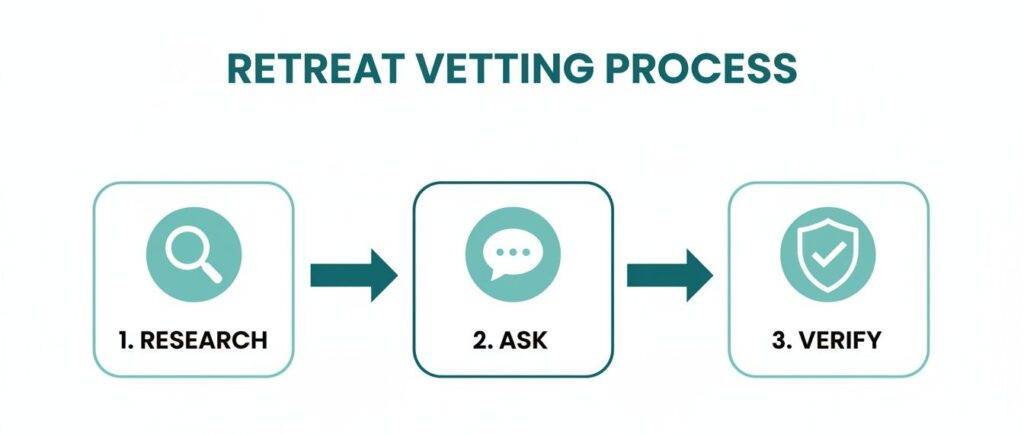
This flowchart breaks it down: do your homework, ask the tough questions, and verify everything. A structured approach like this ensures you land in a place that truly prioritizes your well-being, freeing you up to focus completely on your own inner work.
Arriving Ready for Cusco’s Altitude
Finally, let’s talk about a very practical piece of the puzzle: Cusco’s altitude. Sitting at a dizzying 11,152 feet (3,399 meters), the thin air can easily cause altitude sickness if you are not careful. The last thing you want is to feel physically unwell when your retreat is about to begin.
Give yourself a buffer. Plan to arrive in Cusco at least two or three days before your retreat is scheduled to start.
During these first few days, just take it easy. Hydrate constantly with water and mate de coca (coca tea), the go-to local remedy. Avoid heavy meals and definitely no alcohol. This gentle landing allows your body to adjust, ensuring you walk into your retreat feeling strong, rested, and fully present for the experience ahead. For a deeper dive, check out this comprehensive guide to preparing for an Ayahuasca journey.
What to Expect During a Cusco Ayahuasca Ceremony
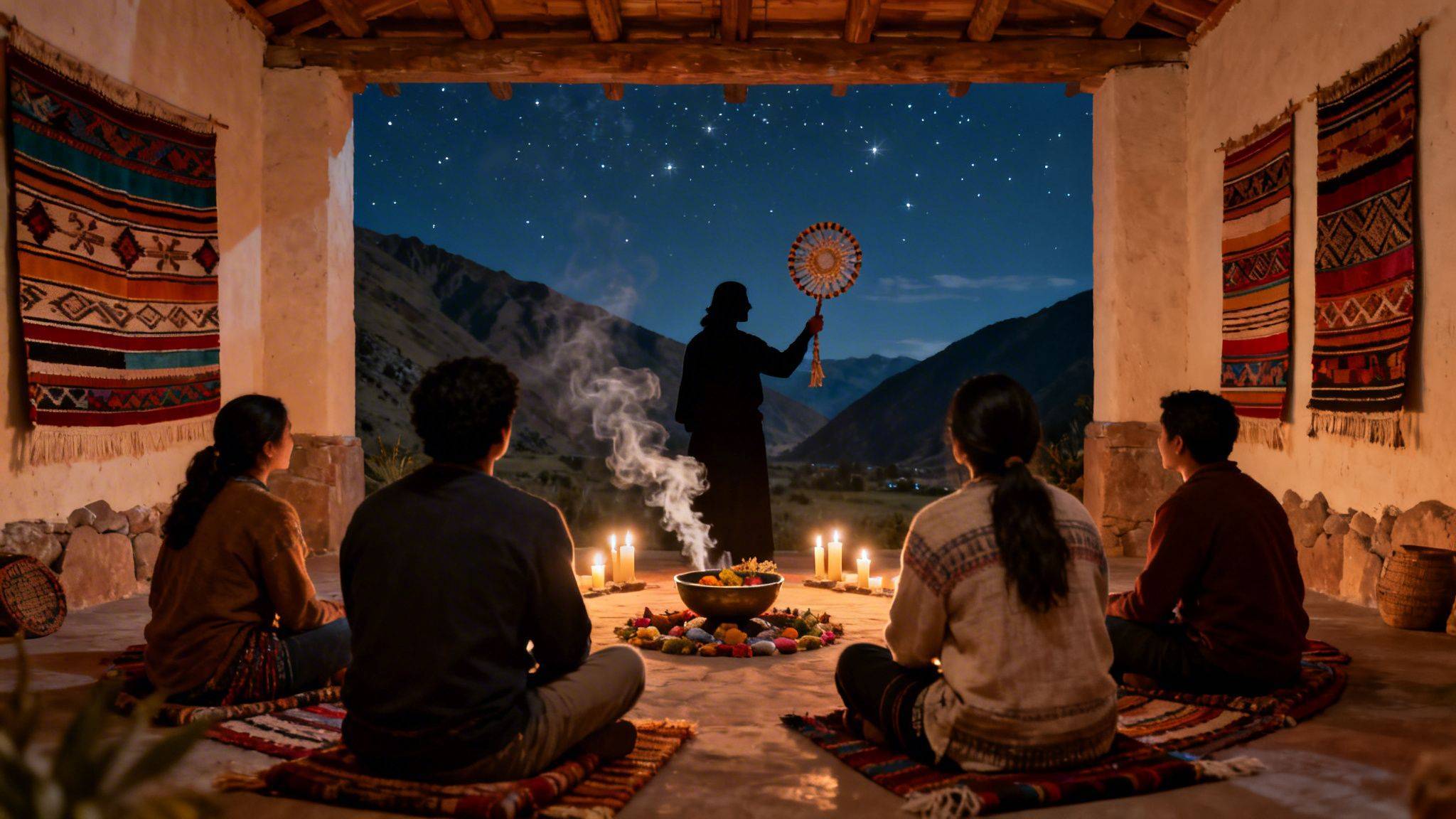
Walking into an Ayahuasca ceremony for the first time is a step into another world. It is a space that is profoundly sacred yet deeply human, where ancient traditions guide a journey that is entirely your own. Knowing the general rhythm of the evening can help settle any nerves and let you approach the experience with a sense of trust.
The setting itself is designed to turn your focus inward. Ceremonies almost always happen at night, usually inside a circular temple called a maloka. The darkness strips away external distractions. You will find your spot, which will have a mattress, a blanket, and a bucket, an essential tool for the physical cleansing, or “purge,” that is often part of the process.
The Opening of Sacred Space
Before anyone drinks the medicine, the shaman (or Maestro) formally opens the sacred space. This is a crucial step; it creates a container of spiritual protection and sets the intention for the night’s work. It is a moment of deep reverence that marks the true beginning.
This opening ritual usually involves a few key elements:
- Mapacho Smoke: The shaman will use mapacho, a potent sacred tobacco, blowing smoke over each person and throughout the room to clear and protect the energy.
- Prayers and Intentions: The shaman offers prayers to the plant spirits, the land, and the energies they work with. This is your cue to quietly focus on your own reasons for being there, your personal intentions for the ceremony.
- Serving the Medicine: One by one, you will be called up to receive your dose. The brew is thick, with a powerful, earthy taste that is challenging for most, but you get it down.
After drinking, you return to your mat and sit in stillness. The candles are extinguished, and the ceremony proceeds in near-total darkness and silence, pulling you deep into your own inner landscape.
“An Ayahuasca ceremony is a journey into the self, guided by the wisdom of the plant and held within the safe container of ancient tradition. The focus is on surrender and trust, allowing the medicine to show you what you need to see for your own healing and growth.”
The Role of the Icaros
As the medicine begins to take hold, usually within 30 to 60 minutes, the shaman starts to sing the sacred songs known as icaros. These are much more than just songs. They are the shaman’s primary tools for navigating the energy of the ceremony, acting like a sonic rudder in the vast ocean of the visionary world.
Each icaro is a vibrational key. One might unlock a powerful vision, another might help clear dense, heavy energy, and yet another can be a comforting balm during a difficult moment. The melodies shift and flow, sometimes mournful and intense, other times gentle and beautiful. Icaros are the language of the spirits, and they are your lifeline in the dark, a constant, reassuring guide through the experience.
The Journey and the Purge
No two Ayahuasca journeys are the same. It is a deeply personal experience. You might see incredible geometric visions, relive long-forgotten memories, or feel an overwhelming connection to all of existence. The medicine can bring waves of ecstatic joy and love, but it can also bring you face-to-face with your own shadows and the difficult truths you need to confront for healing.
A central part of this process is the physical purge. Most often this means vomiting, but it can also manifest as crying, yawning, shaking, or other forms of release. From a shamanic perspective, this is not just a side effect; it is a vital part of the healing. It is the body and spirit literally expelling negative energies, emotional baggage, and old traumas that are holding you back. While the idea might sound intimidating, the feeling afterward is almost universally one of incredible lightness and clarity.
Unique Cusco Traditions
An Ayahuasca retreat Cusco often weaves unique elements of Andean spirituality into the Amazonian framework, creating a distinct ceremonial flavor. It is common for retreats in the Sacred Valley to blend in rituals like coca leaf readings or make offerings to Pachamama (Mother Earth). These practices ground the celestial journey of Ayahuasca with the powerful, earthy energy of the Andes mountains, making for a beautifully balanced experience. You can explore the many layers of what this entails in the Ayahuasca experience in our detailed guide.
Integrating Your Ayahuasca Experience Back Home
The last ceremony is not the end. Far from it. Think of it as the real beginning of your journey. All those profound insights, the emotional weight you shed, the deep connections you felt, they are like seeds just planted in the soil of your consciousness. The real work, the beautiful work, is integration. It is how you water those seeds and help them grow into real, lasting change back in your everyday world.
Ayahuasca can open a door and show you a new way forward, but you are the one who has to walk through it. That is what integration is all about. It is the conscious, day-by-day process of weaving the lessons from your ceremonies into the very fabric of your life, your relationships, your work, your daily habits. Without this crucial step, even the most earth-shattering revelations can fade away, becoming little more than a powerful but distant dream.
Actionable Strategies for Lasting Change
The first few weeks after your retreat are a uniquely sensitive time. Your mind is more open, your emotional awareness is turned way up. This is the perfect window to start building new habits that support the inner shifts you have experienced.
It helps to see integration not as another chore on your to-do list, but as a continuation of the ceremony itself. You are simply extending the deep respect you showed the medicine by creating a quiet, clear space within yourself for the healing to keep unfolding.
Here are a few practical ways to anchor what you have learned:
- Keep Journaling: Your journal is your best friend during integration. Go back and read what you wrote during your retreat, and keep writing. Let thoughts and feelings flow freely. You will be amazed at the delayed insights that surface when you give them space.
- Get into Nature: The grounding energy of the Andes is a huge part of the experience in Cusco. Try to bring that home with you. Make a point to connect with the natural world, whether it is a walk in a local park, a hike in the mountains, or just sitting quietly in your garden.
- Eat Clean: You do not have to stick to a strict dieta, but continuing to eat clean, whole foods will support your entire system as it recalibrates. It honors the physical cleansing you went through and helps maintain mental clarity.
- Practice Mindfulness: A simple daily meditation practice, even just 5-10 minutes, can be a powerful anchor. It helps you stay connected to that quiet inner space you touched in ceremony and allows you to observe your thoughts without getting lost in them.
“Integration is the bridge between the mystical, visionary world of the Ayahuasca ceremony and the practical reality of your daily life. It is the active, ongoing practice of turning insight into action.”
Finding Support After Your Retreat
You do not have to do this alone. In fact, you should not. Having a community or professional support can make all the difference in successfully bringing such a profound experience into your life.
Good retreat centers in Cusco know this and build support right into their programs. The morning-after sharing circles are a perfect example; they provide a safe container to put your experience into words with people who genuinely get it. Many of the best centers also offer post-retreat check-ins or connect you with resources for when you get home.
As you transition back, consider these options:
- Find Your People: Look for local or online integration circles. Simply sharing what you went through with others who have worked with plant medicines can be incredibly validating and healing.
- Work with an Integration Coach: If you feel stuck or are struggling to make sense of your journey, a trained integration specialist can be invaluable. They can offer structured support and help you create a clear roadmap for putting your insights into practice.
Ultimately, a solid, well-supported integration process is what transforms a powerful week at an Ayahuasca retreat in Cusco into a lifetime of meaningful growth.
Planning Your Trip and Logistics for Cusco
Once you have started your inner prep work, it is time to tackle the practical side of things. Getting the logistics sorted for an Ayahuasca retreat in Cusco is actually pretty simple with a bit of foresight, and it makes all the difference in arriving relaxed and ready to dive in.
First up, your flight. You will be flying into Alejandro Velasco Astete International Airport (CUZ) in Cusco, which is the gateway to the Sacred Valley. Most retreat centers will have transport arranged to pick you up. If not, grabbing a trusted taxi for the beautiful drive into the valley is easy and safe.
Travel Essentials and Documentation
Before you click “book” on anything, take a minute to check your passport. You will also want to look up the visa requirements for Peru. Citizens from many places like the US, UK, and the EU usually get up to 90 days for tourism without needing a visa, but it is always smart to double-check with the nearest Peruvian consulate just in case things have changed.
Good travel insurance is absolutely essential, do not even think about skipping it. Make sure your policy has solid coverage for:
- Medical Emergencies: This is key, especially for potential issues like altitude sickness.
- Trip Cancellation: Protects the money you have invested if something unexpected comes up and you cannot go.
- Lost Luggage: A real lifesaver if your bags decide to take a different vacation than you.
It is also a good idea to call your insurance provider and specifically ask if they have any exclusions for “alternative wellness” or similar activities, just to be safe.
Where to Stay and How to Acclimatize
I cannot stress this enough: get to Cusco at least two or three days before your retreat starts. This is not just a suggestion; it is crucial for letting your body adjust to the altitude. The city has a ton of great places to stay, from charming guesthouses in the artsy San Blas district to modern hotels. Staying in the city for a few days lets you acclimatize slowly while soaking up the local culture.
“Think of your acclimatization time as part of the retreat itself. Picking a quiet, comfortable spot to rest is an act of self-care. This is your chance to let your body settle so you can walk into your first ceremony feeling grounded and physically prepared for the work ahead.”
What to Pack for Your Retreat
When packing for the Andes, the golden rule is layers. The weather here can swing from brilliant sunshine to chilly winds in a matter of hours. You are aiming for a mix of comfort and practicality.
Clothing and Gear:
- Layered Clothing: A mix of t-shirts, long-sleeved shirts, a fleece, and a proper warm jacket is perfect.
- Comfortable Pants: Bring what you feel best in for sitting for long periods, yoga pants, loose trousers, or hiking pants work great.
- Rain Gear: A waterproof jacket is non-negotiable, especially if you are coming during the wet season (November to March).
- Sturdy Shoes: You will be glad you have comfortable walking shoes for getting around.
Personal Items:
- Journal and Pen: An absolute must. You will want to write down the flood of insights you get during and after ceremonies.
- Reusable Water Bottle: Staying hydrated is your best friend when dealing with the altitude.
- Personal Toiletries: It is best to bring natural or unscented products to be considerate of others in ceremony.
- Flashlight or Headlamp: You will absolutely need this for finding your way around the retreat grounds in the dark.
- Sun Protection: The sun at high altitude is no joke. Pack sunscreen, a good hat, and sunglasses.
With all these practical details buttoned up, you can finally take a deep breath, relax, and focus your energy on the profound journey waiting for you.
Your Questions About Ayahuasca in Cusco, Answered
Thinking about an Ayahuasca journey in Cusco? It is natural to have a lot of questions. Let’s walk through some of the most common ones people ask before they come.
Is Ayahuasca Actually Legal in Peru?
Yes, it is. In fact, Peru holds Ayahuasca in very high regard. Back in 2008, the government officially recognized the traditional use of Ayahuasca as a “National Cultural Heritage.” This is not just a legal footnote; it is a profound acknowledgment of the medicine’s deep roots in the country’s indigenous spirituality and healing practices.
This special status allows retreats to operate legally and openly. It also puts the responsibility on us, as travelers, to choose a center that truly respects this heritage. You want a place that prioritizes safety, integrity, and serves the medicine within its proper ceremonial context.
What Should I Expect to Pay for a Retreat in Cusco?
The cost for an Ayahuasca retreat in Cusco can swing quite a bit. What you will pay really depends on the length of the retreat, the center’s reputation, how many people are in a group, and the level of comfort and support they offer.
For a solid 5 to 7-day retreat in the Sacred Valley, you can generally expect to budget between $1,200 and $2,800 USD. This price tag almost always includes:
- A comfortable place to stay for the entire retreat.
- All your meals, which are specially prepared to align with the required dieta.
- The Ayahuasca ceremonies themselves, guided by experienced facilitators or shamans.
- Other supportive practices like yoga, meditation sessions, or workshops to help you process your experience.
My advice? Always ask for a detailed breakdown of what is included before you put any money down. That way, there are no unexpected costs later.
When Is the Best Time of Year to Go?
Hands down, the best time to visit Cusco and the Sacred Valley is during the dry season, which runs from April to October. You will get gorgeous sunny days and brilliant blue skies, perfect for exploring the mountains. Just remember, the nights get surprisingly cold, so pack layers!
That said, the rainy season from November to March has its own magic. The rains turn the entire landscape a stunning, vibrant green. Most good retreats run all year, so it really just boils down to whether you prefer sunny days or lush, green scenery.
How Is a Retreat in Cusco Different From One in the Amazon?
The biggest difference comes down to the setting, both environmentally and culturally. An Amazon retreat plunks you right into the hot, humid jungle lowlands. The ceremonies there are often deeply rooted in the specific traditions of local tribes, like the renowned Shipibo people.
Cusco, on the other hand, is a world away in the high-altitude Andes. The retreats here often weave Amazonian shamanism together with local Quechua traditions. This creates a unique blend where you might find yourself making offerings to the mountain spirits (Apus) and Pachamama (Mother Earth). It is a powerful, grounding experience that feels deeply connected to the mountains themselves.
Disclaimer: The information provided on Ayahuasca.com is for educational purposes only and is not intended as medical advice, diagnosis, or treatment. Ayahuasca is a powerful traditional Amazonian medicine and may not be suitable for everyone. Always consult with a qualified healthcare professional before making decisions related to health, mental well-being, medications, or the use of Ayahuasca.