
A person considering a kambo ceremony may be weighing two thoughts at once: curiosity about an intense traditional practice, and concern about what could happen when the body reacts strongly. Friends or facilitators may describe vomiting, sweating, swelling, or a sudden emotional release as part of the process. Medical reports, however, show that some reactions extend far beyond a brief purge.
Kambo side effects deserve clear explanation before anyone makes a decision. Respect for Indigenous traditions and ceremonial meaning can exist alongside careful attention to physiology, emergency planning, and the limits of current evidence. The key question is not whether every participant experiences a serious complication. It’s whether the setting, screening, and response plan can recognize one when it begins.
Introduction to Kambo and Why Side Effects Matter
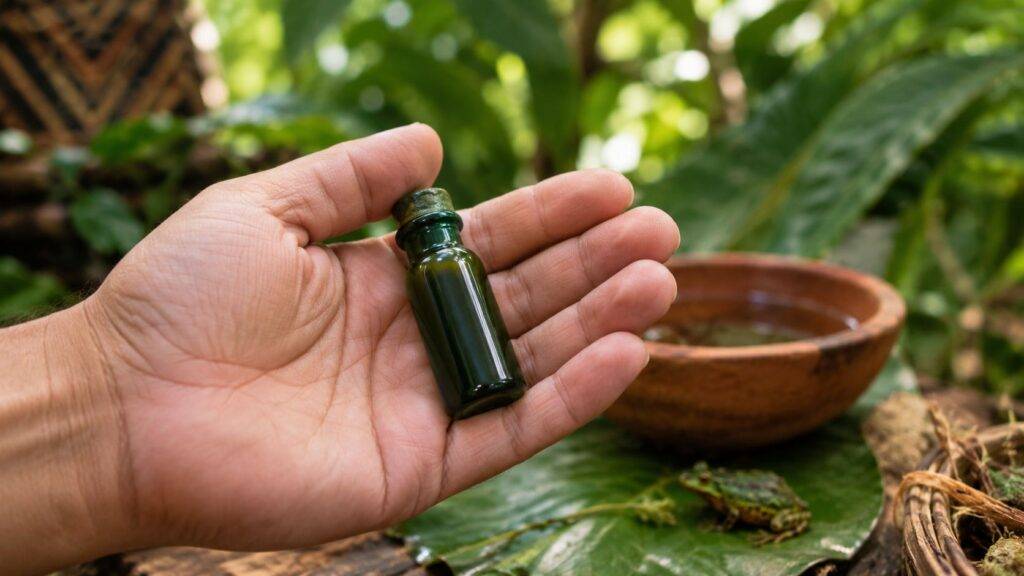
A newcomer may enter a ceremony expecting a brief, intense experience. Minutes after Kambo, a secretion associated with the giant monkey frog, Phyllomedusa bicolor, is applied to small superficial skin burns, sweating, facial swelling, a racing heart, vomiting, or diarrhea may begin. The practice has traditional roots, while contemporary wellness settings differ in participant screening, fluid instructions, supervision, and emergency preparation.
These differences matter because the same visible reaction can have more than one explanation. Kambo’s peptides can directly affect smooth muscle, blood-vessel tone, capillary permeability, and autonomic regulation. Vomiting and diarrhea can then create secondary problems, including dehydration. Excessive water intake around a ceremony can also disturb electrolyte balance. The body’s response therefore resembles a chain reaction: the initial signal comes from the secretion, while later harm may arise from fluid loss, fluid loading, or delayed recognition of danger.
Ceremonial meaning can shape how someone interprets symptoms, but it does not determine their medical severity. Vomiting may be understood as purging while the person becomes dangerously dehydrated. Someone who has participated before may remain calm yet develop confusion from an electrolyte disturbance. Experience can support emotional steadiness, but it cannot prevent peptide effects on the cardiovascular, gastrointestinal, nervous, and renal systems.
A respectful overview of Kambô, The Spirit of the Shaman provides cultural and ceremonial context. Safety assessment requires a separate medical view: which effects are expected from direct peptide activity, which complications follow changes in water and electrolytes, and whether emergency care can be reached promptly.
What This Guide Helps Clarify
Three questions organize the discussion:
- What happens quickly: Which symptoms reflect direct peptide-driven activity?
- What can develop afterward: How might vomiting, dehydration, water loading, electrolyte imbalance, or organ stress add risk?
- What requires urgent care: When does an intense reaction exceed what a ceremony should treat as routine?
Published medical evidence remains limited, so it cannot establish the full frequency of every outcome. It does show that severe events have been documented. A 2022 literature review identified 11 published acute poisoning cases, including one death, with gastrointestinal, nervous-system, musculoskeletal, and cardiovascular effects. It also reported SIADH, acute renal failure, toxic hepatitis, esophageal rupture, and severe psychosis the 2022 review of acute kambo poisoning.
Kambo side effects fit neither “ordinary purging” nor guaranteed catastrophe. They form a spectrum. Understanding the difference between direct peptide effects and secondary fluid-related harms makes that spectrum easier to assess.
How Kambo Peptides Trigger Reactions in Your Body
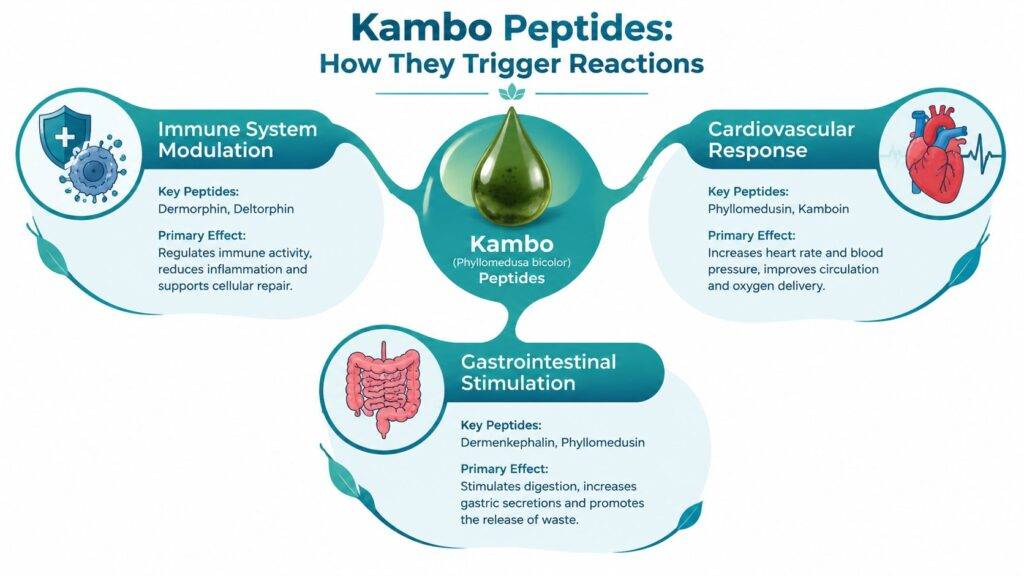
The simplest physiological model is an alarm system receiving many signals at once. Kambo secretion contains multiple bioactive peptides. Rather than acting as one single chemical with one predictable effect, these compounds interact with receptors and influence several systems simultaneously.
The first step is receptor activation. Some peptides stimulate receptors involved in smooth-muscle activity, blood-vessel tone, pain signaling, and autonomic regulation. The body then changes circulation, gastrointestinal movement, sweating, heart rate, and alertness in a tightly connected response.
“Core mechanism: Vomiting, flushing, swelling, and heart-rate changes reflect active receptor-driven physiology. They aren’t reliable evidence of a nonspecific “detox” process.”
Why The Acute Reaction Feels So Sudden
The autonomic nervous system manages functions such as heart rate, blood pressure, sweating, digestion, and pupil responses. Kambo can disrupt that balance quickly. Blood vessels may dilate, fluid may move through capillary walls, and smooth muscle in the gastrointestinal tract may contract more strongly.
That combination helps explain why several symptoms often appear together:
- Cardiovascular changes: The heart may beat rapidly, while blood pressure can fluctuate.
- Gastrointestinal stimulation: Intense nausea, vomiting, and diarrhea can occur.
- Fluid movement: Capillary leak can contribute to facial swelling and changes in tissue fluid.
- Autonomic activation: Sweating, heat, dizziness, and altered alertness may accompany the reaction.
The body experiences these effects as one overwhelming event because the systems communicate continuously. A change in vascular tone can affect dizziness. Vomiting can worsen weakness and fluid loss. Anxiety can amplify awareness of palpitations, while physiological stress can make anxiety more intense.
The acute phase often begins within minutes and may resolve in about an hour, but that pattern shouldn’t be treated as a guarantee. A short initial reaction can still create secondary problems, especially when vomiting is substantial or when participants consume excessive water afterward.
Why People Respond Differently
Individual sensitivity depends on more than ceremony experience. Health status, medications, hydration state, kidney function, cardiovascular reserve, and the amount and composition of the secretion can all influence the response. The same outward symptom, such as vomiting, may be brief in one person and contribute to serious dehydration in another.
The secretion also contains compounds with different biological targets. That makes it difficult to predict a participant’s reaction from a previous session. A person who tolerated one ceremony may still experience a different response later because the surrounding conditions and internal state have changed.
Broader toxicology education can help. A general guide to toxins offers useful context for understanding how exposure, dose, route, physiology, and supportive care shape poisoning risk. Kambo should be viewed through that wider lens, not only through ceremonial language.
The Difference Between A Symptom And An Explanation
“Purging” describes an observed behavior, not a complete mechanism. It tells a participant that vomiting is expected within some ceremonial frameworks, but it doesn’t explain changes in blood pressure, sodium levels, kidney function, or consciousness.
Modern physiology adds that missing explanation. The immediate symptoms arise from peptide activity and autonomic effects. Later danger may result from the consequences of vomiting, fluid shifts, water loading, or delayed organ injury. Understanding both pathways makes it easier to respond without dismissing the experience or overstating what it means.
Acute and Delayed Kambo Side Effects You Should Know
Someone may finish a ceremony, stop vomiting, and assume the danger has passed. That assumption can be misleading. Kambo side effects are easier to assess by timing and direction. Immediate symptoms often reflect direct peptide activity. Delayed symptoms may arise from dehydration, electrolyte disturbance, inflammation, or injury that continues after the most visible effects fade.
The immediate cluster can include tachycardia, blood-pressure fluctuations, intense vomiting, diarrhea, sweating, facial swelling, dizziness, and changes in alertness. Some people become temporarily apathetic or drowsy as the acute phase settles. A single peptide-driven reaction can affect circulation, digestion, smooth muscle, and autonomic control at the same time.
Immediate Effects
A short-lived reaction may involve several systems:
- Heart and circulation: A racing heart, dizziness, or changing blood pressure.
- Digestive system: Nausea, forceful vomiting, diarrhea, or abdominal discomfort.
- Skin and fluid movement: Sweating, flushing, and swelling of the face.
- Nervous system: Drowsiness, transient apathy, weakness, or altered awareness.
Vomiting alone does not establish an emergency. The surrounding pattern matters. A person who becomes steadily more alert, breathes normally, and has no worsening neurological or cardiovascular symptoms may be experiencing a brief acute course. Someone who remains weak, confused, breathless, or unable to keep fluids down needs medical assessment.
The acute phase is often described as resolving in about an hour, but recovery can vary after the visible reaction ends. Fatigue or weakness may follow the physical strain of vomiting and diarrhea. Those symptoms call for observation, not automatic reassurance.
Ceremony practices can create a separate pathway of harm. Water loading may dilute sodium, while vomiting and sweating can increase fluid loss. The peptide reaction is one part of the risk. The surrounding handling of fluids and the body’s recovery can add another.
Delayed And Prolonged Effects
The more concerning pattern involves symptoms that persist, intensify, or appear after the acute reaction. Case literature has reported SIADH and hyponatremia, acute kidney injury, liver injury, muscle injury, seizures, psychosis, rhabdomyolysis, pneumothorax, septic shock, and other severe outcomes, as described in the 2025 review of kambo and sudden death.
SIADH, or syndrome of inappropriate antidiuretic hormone secretion, disrupts water regulation. If sodium becomes dangerously low, brain function can deteriorate. Headache, nausea, confusion, unusual drowsiness, agitation, seizures, and loss of consciousness are not ordinary recovery signs.
A 2021 case report described kambo-associated systemic inflammatory response syndrome, showing that illness can extend beyond gastrointestinal distress into severe multisystem disease the case report on kambo-associated systemic inflammatory response syndrome.
How To Interpret The Pattern
The practical distinction is whether symptoms steadily settle or move in the wrong direction.
Symptoms that call for urgent evaluation include:
- Persistent or repeated vomiting that prevents fluid retention.
- Confusion, severe drowsiness, agitation, or unusual behavior.
- Severe headache, seizure, fainting, or difficulty waking.
- Chest pain, breathing difficulty, or sustained cardiovascular distress.
- Very little urine, severe muscle pain, marked weakness, yellowing skin, or dark urine.
- Increasing facial or throat swelling, especially with breathing or swallowing changes.
General safe peptide usage tips may offer background on monitoring adverse reactions. Kambo’s combination of acute vomiting, cardiovascular stress, and possible electrolyte complications requires specific medical judgment. Ceremonial expectations cannot replace emergency assessment when neurological, respiratory, or circulatory function worsens.
Why Serious Reactions Can Happen Even In Ceremony Settings
Experience and ceremony structure can reduce confusion, but neither one guarantees physiological safety. A participant may understand the process, trust the facilitator, and still develop a serious complication because two different pathways can operate at once.
The first pathway involves direct peptide effects. These can produce tachycardia, blood-pressure shifts, sweating, vomiting, diarrhea, facial swelling, and altered alertness. The second pathway involves secondary harms, where large emesis, dehydration, excessive water intake, electrolyte changes, or physical strain create additional injury.
| Effect Pathway | Typical Manifestations | Timing |
|---|---|---|
| Direct Peptide Effects | Tachycardia, blood-pressure fluctuations, vomiting, diarrhea, sweating, facial swelling, dizziness, altered alertness | Usually begins within minutes and may settle as the acute phase resolves |
| Secondary Ceremony Related Harms | Dehydration, hyponatremia, SIADH, kidney stress, muscle injury, esophageal rupture, neurological deterioration | May emerge during the reaction or after the most intense symptoms appear to have passed |
Why Water Loading Can Become Dangerous
Some ceremonies encourage participants to drink large volumes of water before or during the process. That practice can interact badly with vomiting and hormonal water regulation. If the body retains too much free water while sodium becomes diluted, hyponatremia can develop. SIADH can worsen that imbalance by impairing normal water excretion.
Dehydration creates the opposite pressure. Vomiting and diarrhea remove fluid and electrolytes, while sweating adds further loss. A participant who then drinks only plain water may not correct the underlying imbalance and may, in some circumstances, increase the risk of diluted sodium.
This is why “drink more water” is too crude as a safety rule. Fluid management needs to account for symptoms, medical history, ongoing losses, and professional advice.
Why Purging Can Hide Injury
Forceful vomiting can cause more than discomfort. The 2022 review of acute poisoning cases included esophageal rupture, and the medical literature discussed in the 2025 review includes severe complications such as rhabdomyolysis, seizures, kidney injury, and liver injury. Recent case reports also include brain-injury-level consequences from hyponatremia and Boerhaave syndrome, a severe form of esophageal rupture.
The published record remains small, so it can’t establish how often each outcome occurs. It does establish that ceremony context doesn’t eliminate rare but life-threatening possibilities.
“Practical rule: A meaningful ritual experience and a medical emergency can occur in the same room. Spiritual interpretation should never delay emergency care.”
An experienced participant may also underreport symptoms because familiarity creates a powerful expectation that the reaction will pass. Facilitators can make the same error when they interpret every symptom through a purging framework. A safe setting needs permission to change course, pause the ceremony, assess the person, and call emergency services.
Risk Factors Contraindications And Drug Interactions To Review
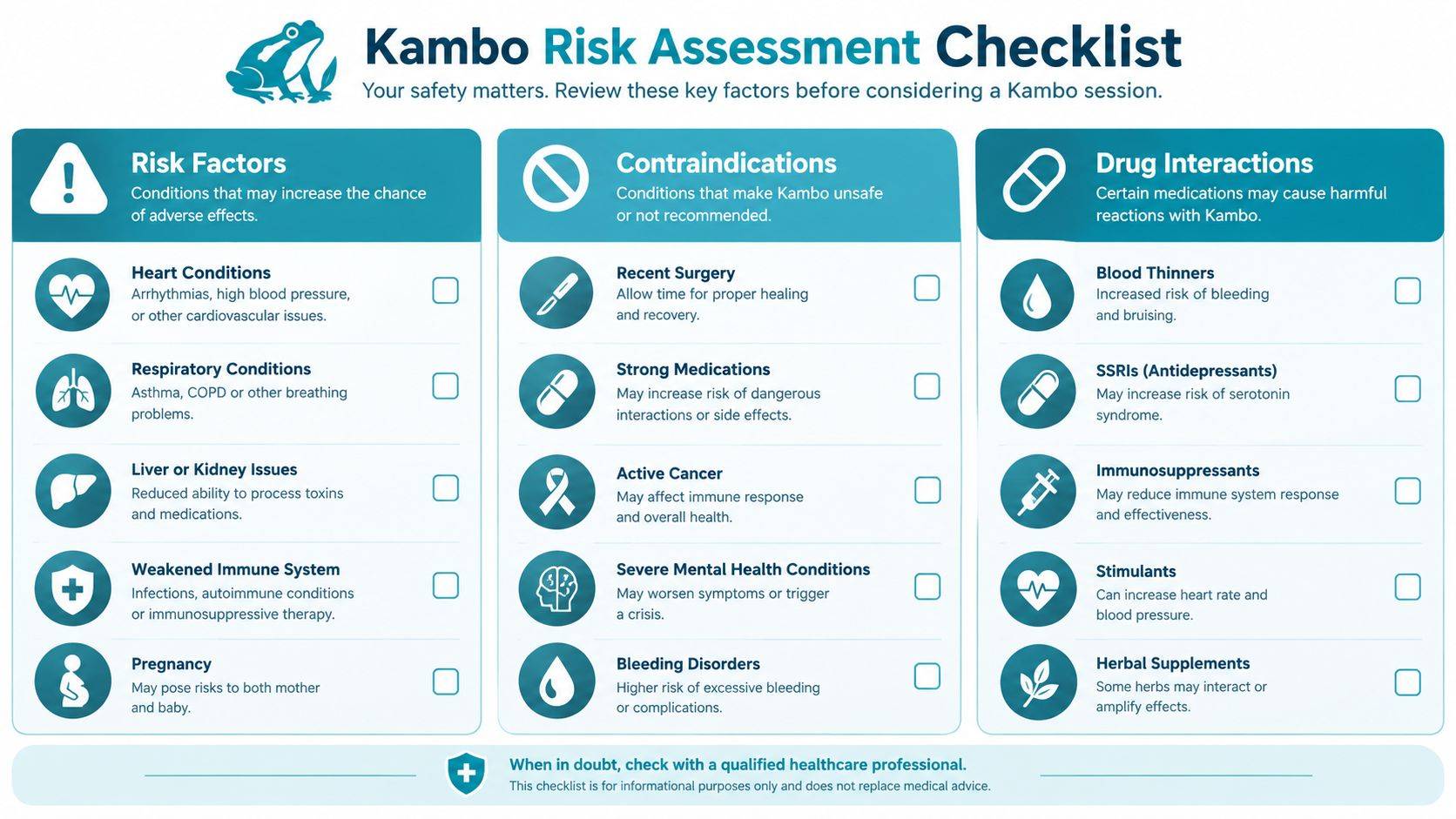
Kambo risk assessment starts with the body’s reserve. A person with limited cardiovascular, renal, respiratory, or neurological reserve may have less ability to tolerate abrupt changes in blood pressure, fluid balance, oxygenation, or consciousness.
The available case literature doesn’t provide a complete, universally accepted screening tool. It does show complications involving the heart and circulation, kidneys, liver, muscles, brain, gastrointestinal tract, and mental state. That pattern supports careful review by a qualified clinician rather than reliance on a facilitator’s verbal reassurance.
Health Histories That Need Specific Review
A participant should disclose, in detail, any history of:
- Heart or blood-pressure disease: Rapid heart rate and vascular shifts may place extra stress on the cardiovascular system.
- Kidney or liver disease: Fluid and electrolyte changes can become harder to regulate, while reported toxicity includes renal and hepatic injury.
- Seizures or neurological illness: Hyponatremia and altered consciousness can create serious neurological danger.
- Psychiatric vulnerability: Published reports include severe psychosis, so prior psychotic symptoms or unstable mental illness require clinical caution.
- Pregnancy or recent surgery: Physiological stress, vomiting, and wound concerns can change the risk profile.
- Breathing or swallowing problems: Facial swelling and severe vomiting can create additional hazards.
The point isn’t to create a universal diagnosis from a checklist. A clinician needs the full history, current symptoms, and medication list to judge whether participation is medically appropriate.
Medication And Substance Questions
Kambo may interact with prescription medicines, over-the-counter drugs, supplements, alcohol, and other psychoactive substances. The mechanisms can involve blood pressure, heart rhythm, sedation, bleeding risk, kidney function, serotonin or other neurotransmitter systems, and fluid regulation.
A participant should ask a clinician to review every current substance, including:
- Blood-pressure medicines and diuretics: These can alter the response to vomiting, dehydration, and vascular changes.
- Antidepressants and psychiatric medicines: The interaction risk depends on the specific drug and the person’s psychiatric history.
- Blood thinners: Forceful vomiting, skin application, and possible injury may create concerns that require individualized assessment.
- Sedatives, opioids, stimulants, and alcohol: Combining substances can complicate consciousness, breathing, circulation, and emergency evaluation.
A general resource on psilocybin drug interactions isn’t a substitute for kambo-specific medical advice, but it illustrates why medication screening should be precise rather than based on broad labels such as “natural” or “ceremonial.”
Questions For A Facilitator And Clinician
Before participation, the participant should ask who will monitor vital signs, what happens if vomiting continues, how water intake is handled, where emergency services are located, and whether the facilitator has a written emergency plan. The facilitator should also be willing to discuss contraindications without pressuring the participant to proceed.
A clinician should receive the exact substance, route of administration, planned timing, medical history, and medication list. If a facilitator discourages disclosure to a doctor or frames screening as unnecessary, that behavior should be treated as a serious safety concern.
Emergency Warning Signs And Harm Reduction Best Practices
The most important emergency skill is recognizing when the pattern has changed. Vomiting may occur during the acute reaction, but confusion, severe headache, seizure, fainting, breathing difficulty, chest pain, or worsening drowsiness require immediate medical help. These symptoms can indicate neurological, cardiovascular, respiratory, or electrolyte complications.
A person who can’t stay awake, protect the airway, or answer simple questions shouldn’t be left alone. The group should call local emergency services, state that an unknown or biologically active substance was administered, and report the timing, route, observed amount if known, symptoms, and any medicines or substances involved.
Immediate Response Priorities
- Protect the airway: Position an unconscious but breathing person on their side and keep monitoring breathing. Don’t force fluids, food, or other substances.
- Call for professional help: Emergency services should be contacted early when severe symptoms appear. Waiting for a ceremony to finish can waste critical time.
- Stop additional exposure: Don’t apply more secretion or add other substances in an attempt to reverse the reaction.
- Avoid water loading: Don’t encourage large volumes of plain water, especially when headache, confusion, nausea, or repeated vomiting raises concern about sodium imbalance.
- Record changes: Note when symptoms began, whether the person urinated, how often vomiting occurred, and whether consciousness or breathing changed.
“Emergency principle: A person with confusion, seizure, severe headache, breathing difficulty, chest pain, or inability to stay awake needs medical evaluation, not reassurance that purging is normal.”
Prevention Begins Before The Ceremony
Harm reduction can’t make kambo risk-free, but it can expose preventable weaknesses. A responsible setting should use health screening, obtain informed consent, maintain trained supervision, and keep a clear route to emergency care. It should also establish how fluids will be managed and what symptoms trigger cancellation or escalation.
Participants can improve preparation by bringing an accurate medication list, disclosing health conditions, avoiding concealment of prior reactions, and arranging support after the ceremony. A trusted support person should know what was taken and what warning signs to watch for during recovery.
The setting should have practical equipment for observation and communication, not only ceremonial materials. Someone needs explicit responsibility for monitoring the participant rather than assuming that silence means stability.
Aftercare And Medical Follow-Up
Persistent weakness, reduced urination, dark urine, ongoing vomiting, jaundice, severe muscle pain, new psychiatric symptoms, or worsening fatigue warrant medical review. A participant shouldn’t wait for symptoms to become dramatic if the body isn’t returning toward baseline.
People seeking broader guidance about plant-medicine safety can also review medical safety considerations for Ayahuasca. Kambo has a distinct pharmacological and adverse-effect profile, so information about one practice can’t be transferred automatically to another.
Making Informed Decisions About Kambo Safety And Next Steps
A person may enter a kambo ceremony seeking cultural connection, spiritual meaning, or personal change, then experience a powerful physiological reaction within a short time. Both realities deserve attention. Respect for Indigenous tradition does not remove the need to understand medical risk, and medical caution does not require dismissing the tradition.
A useful safety model separates direct peptide effects from secondary harms. Vomiting, diarrhea, sweating, swelling, and cardiovascular changes can come directly from the secretion. Water loading, dehydration, hyponatremia, SIADH, forceful vomiting, and organ injury create another pathway to harm. These problems may develop or worsen after the first reaction appears to be settling, much like a second fault developing after the initial shock.
The evidence remains limited, but serious outcomes are documented. The 2022 review identified published acute poisoning cases and a death. The 2025 review found a small but concerning record that included sudden death, seizures, SIADH, hyponatremia, rhabdomyolysis, pneumothorax, septic shock, and kidney, liver, or muscle injury. The published record on kambo-associated sudden death is available for further review the published review record on kambo-associated sudden death.
Before considering a ceremony, a participant should:
- Ask a qualified clinician to review medical history, medicines, and relevant risks.
- Request clear screening and a written emergency plan.
- Confirm that severe symptoms will not be dismissed as ordinary purging.
- Ask how fluid intake, observation, transportation, and post-ceremony support will be managed.
- Decide beforehand which symptoms require stopping and emergency care.
Ayahuasca.com offers educational material linking sacred traditions with modern safety information, including preparation and integration resources. Whether someone proceeds, postpones, or chooses an alternative, the decision should be informed, voluntary, and medically responsible. Record every medication and health condition, discuss the plan with a healthcare professional, and seek emergency help for severe vomiting, confusion, seizure, chest pain, breathing difficulty, or loss of consciousness.
Disclaimer: The information provided on Ayahuasca.com is for educational purposes only and is not intended as medical advice, diagnosis, or treatment. Ayahuasca is a powerful traditional Amazonian medicine and may not be suitable for everyone. Always consult with a qualified healthcare professional before making decisions related to health, mental well-being, medications, or the use of Ayahuasca.