
MDMA, or 3,4-methylenedioxymethamphetamine, is a unique synthetic compound that has carved out a fascinating niche for itself, known primarily for its ability to generate profound feelings of empathy and emotional connection. It works by triggering a massive release of key brain chemicals—especially serotonin—which is what creates its signature effects and sets it apart from classic psychedelics like psilocybin or Ayahuasca.
What Is MDMA and How Does It Affect the Brain?
MDMA wears two very different hats: it’s both a well-known recreational drug and a highly promising tool in clinical therapy. It was first created by a German pharmaceutical company back in 1912 but then sat on a shelf, largely ignored for decades. Its story really begins in the 1970s, when a small circle of psychotherapists began quietly exploring its use, discovering it could dramatically lower a person’s emotional defenses and open the door to deeper communication in therapy.
Then, in the 1980s, it exploded into nightlife and the growing rave scene, where it earned the name “ecstasy.” This split history is key to understanding where MDMA stands today. On one side, its unregulated use comes with real risks. On the other, serious scientific research is now proving what those early therapists suspected all along—that it holds genuine potential for healing.
A Flood of Brain Chemicals
Think of your brain’s mood regulation system as being run by a team of chemical messengers, called neurotransmitters. Three of them are central to how we feel, connect, and energize:
- Serotonin: This is the master mood regulator, often linked to feelings of happiness, well-being, and empathy.
- Dopamine: This one drives the brain’s reward and pleasure circuits, making you feel motivated and good about things.
- Norepinephrine: This chemical puts you on alert, ramping up heart rate, blood pressure, and energy levels.
MDMA essentially hijacks this system, forcing your neurons to dump a massive amount of their stored serotonin all at once. This chemical flood is what produces the drug’s trademark effects: a wave of euphoria, emotional warmth, and a powerful feeling of being connected to others.
“This serotonin surge is so powerful that it temporarily rewires social perception. It feels like it dissolves the emotional armor we all carry, creating a space for genuine empathy and self-compassion to emerge.”
A Class of Its Own
While people often lump MDMA in with psychedelics, it technically belongs to its own unique category: the empathogens or entactogens. “Empathogen” literally means “generating empathy,” and “entactogen” means “to touch within.” Both terms beautifully capture the core of the experience—a state of profound emotional insight and connection.
This is a key difference between MDMA and classic psychedelics like LSD or Ayahuasca, which are known for producing intense visual hallucinations and radically altered states of reality. MDMA’s effects are primarily emotional and social. It generally leaves a person feeling clear-headed and grounded, while fundamentally shifting their emotional world.
It’s this specific quality that has researchers so excited about its therapeutic potential, particularly for conditions like PTSD that are built on foundations of fear, trauma, and disconnection. The drug seems to open a temporary “window of tolerance,” where deeply painful memories can be revisited without the usual terror, but with a newfound sense of safety and compassion. This is the central idea being tested in clinical trials around the world.
What an MDMA Journey Actually Feels Like
Knowing the brain chemistry is one thing, but what does an MDMA experience feel like? It’s a journey that unfolds over several hours, with each phase bringing its own unique shifts in perception, emotion, and physical sensation. This is about opening a door to emotional states that are at the heart of its therapeutic potential, not just about feeling good.
The experience typically begins gently, about 30 to 60 minutes after taking it. Most people describe this “come-up” as a slow, rising wave of warmth that spreads through the body. It’s during this initial phase that the mind’s usual defenses start to relax, replaced by a sense of calm anticipation.
Once the effects build, you enter the peak of the experience, which can last for a few hours. This is where the profound psychological shifts really come into focus.
The Walls Come Down
Perhaps the most common report from an MDMA journey is the feeling that your emotional armor has simply dissolved. The usual guards we keep up—the anxieties, the self-criticism, the social fears—just seem to fade into the background. This creates a rare mental space where it feels safe to be vulnerable and natural to be self-accepting.
For many, it’s like seeing themselves and the world through a lens of genuine compassion for the very first time. Difficult memories don’t just vanish, but the intense fear and shame tied to them can loosen their grip dramatically. This makes it possible to engage in a level of honest self-reflection and communication that’s often out of reach in our normal state.
“People often describe the experience as a brief, powerful return to a more authentic and connected self rather than an escape from reality. It’s a feeling of profound rightness and inner peace.”
This historical timeline traces the compound’s path from a chemical curiosity to a therapeutic tool and cultural phenomenon.
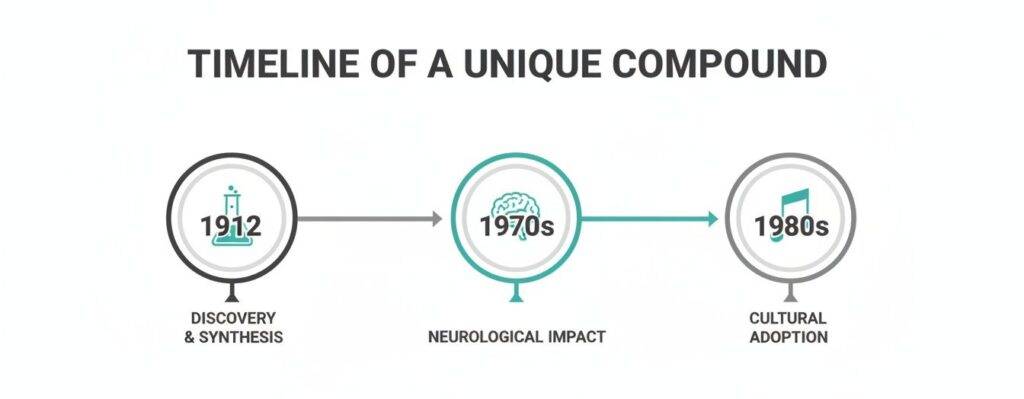
From its synthesis in 1912 to its quiet adoption by therapists in the 1970s, MDMA’s journey set the stage for its complex role in modern culture and medicine.
Navigating the Body’s Experience
These deep psychological changes are accompanied by very real physical effects. The surge of energy from norepinephrine often creates a desire to move, stretch, or dance. Alongside this, there are a few common physical sensations worth knowing about.
Common Physical Effects:
- Increased Heart Rate and Blood Pressure: A normal response to MDMA’s stimulant properties.
- Jaw Clenching (Bruxism): One of the most classic side effects. Some people find magnesium supplements or chewing gum helpful.
- Shifts in Body Temperature: You might feel warm one moment and cool the next, so managing your environment is key.
- Heightened Senses: Touch, sound, and light often feel richer, more intense, and deeply pleasurable.
These physical sensations are an integral part of the experience. Understanding them helps you prepare for the journey and navigate it safely, whether you’re in a clinical setting or not.
After about 3 to 4 hours, the peak effects begin to gently fade, leading to a gradual return to your baseline self. This “comedown” phase is often marked by a sense of quiet contemplation, providing a perfect opportunity to process the insights and feelings that arose. This soft landing is a crucial part of the journey, as it’s where the work of integrating the experience into everyday life truly begins.
MDMA-Assisted Therapy for PTSD

While MDMA carries a complicated past, its most promising modern use is unfolding in the highly structured world of psychotherapy—specifically for treating post-traumatic stress disorder (PTSD). MDMA-assisted therapy uses the substance as a catalyst, a tool to make the profoundly difficult work of therapy possible, rather than being a pill you take to feel better.
For someone living with severe PTSD, trying to recall traumatic memories can be like touching a live wire. The brain’s fear circuits can trigger such an overwhelming response that any attempt to process the event is immediately shut down. This is where MDMA’s unique effects come into play. It helps open what therapists call a “window of tolerance,” creating a mental and emotional space where a person can revisit painful events without being consumed by the terror and shame that usually accompany them.
This state allows a person to access and re-examine their trauma from a place of relative safety and self-compassion, all while being supported by trained therapists.
Groundbreaking Clinical Trial Results
The evidence backing this approach is nothing short of compelling. Phase 3 clinical trials—the gold standard for proving a treatment’s effectiveness before it can be considered for approval—have produced remarkable results. It’s important to remember these studies happen in a controlled, professional setting that is a world away from recreational use.
In these trials, a striking number of participants with severe, chronic PTSD no longer met the diagnostic criteria for the disorder after treatment. For instance, one landmark study found that an incredible 67% of participants in the MDMA group no longer had PTSD two months after treatment, compared to just 32% in the placebo group.
“The goal of this therapy is to change one’s relationship with difficult memories, not to erase them. By reducing the fear response, MDMA allows individuals to integrate these experiences into their life story without being controlled by them.”
These outcomes are particularly significant because many participants had what’s known as treatment-resistant PTSD, meaning they had already tried traditional therapies and medications without finding relief. This really highlights the potential of MDMA when used responsibly within a clinical framework.
The Therapeutic Process Explained
MDMA-assisted therapy is a deliberate and intensive process, typically unfolding over several weeks. The protocol involves a series of sessions, but only a select few actually involve taking MDMA.
A typical treatment journey looks something like this:
- Preparatory Sessions: It all starts with several non-drug therapy sessions. These are critical for building a strong, trusting relationship—a therapeutic alliance—between the participant and their therapy team.
- MDMA Sessions: Only a handful of sessions (usually two or three) involve administering MDMA. These take place in a safe, comfortable setting with two therapists present and can last up to eight hours, allowing plenty of time for deep therapeutic work to unfold.
- Integration Sessions: After each MDMA session, more therapy sessions are held without the drug. This is where the real work happens. The participant and therapists work to make sense of the insights, emotions, and memories that came up, figuring out how to weave them into daily life.
This careful, multi-stage approach is absolutely essential for ensuring both safety and lasting therapeutic benefits. The integration phase, in particular, is what turns the profound experiences from the MDMA session into real, sustainable change.
While this therapy holds immense promise, it’s crucial to understand the wider context of MDMA use. Surveys across 26 EU countries show that 2.6 million young adults aged 15-34 used MDMA in the last year. In the US, 2.2 million people aged 12 or older reported using ecstasy in the past year. Yet, on a hopeful note, studies also show that when individuals do seek help, strong family support can boost treatment completion rates by as much as 40%. You can dig deeper into these trends and the vital role of support networks in the European Drug Report.
Navigating Risks and Practicing Harm Reduction
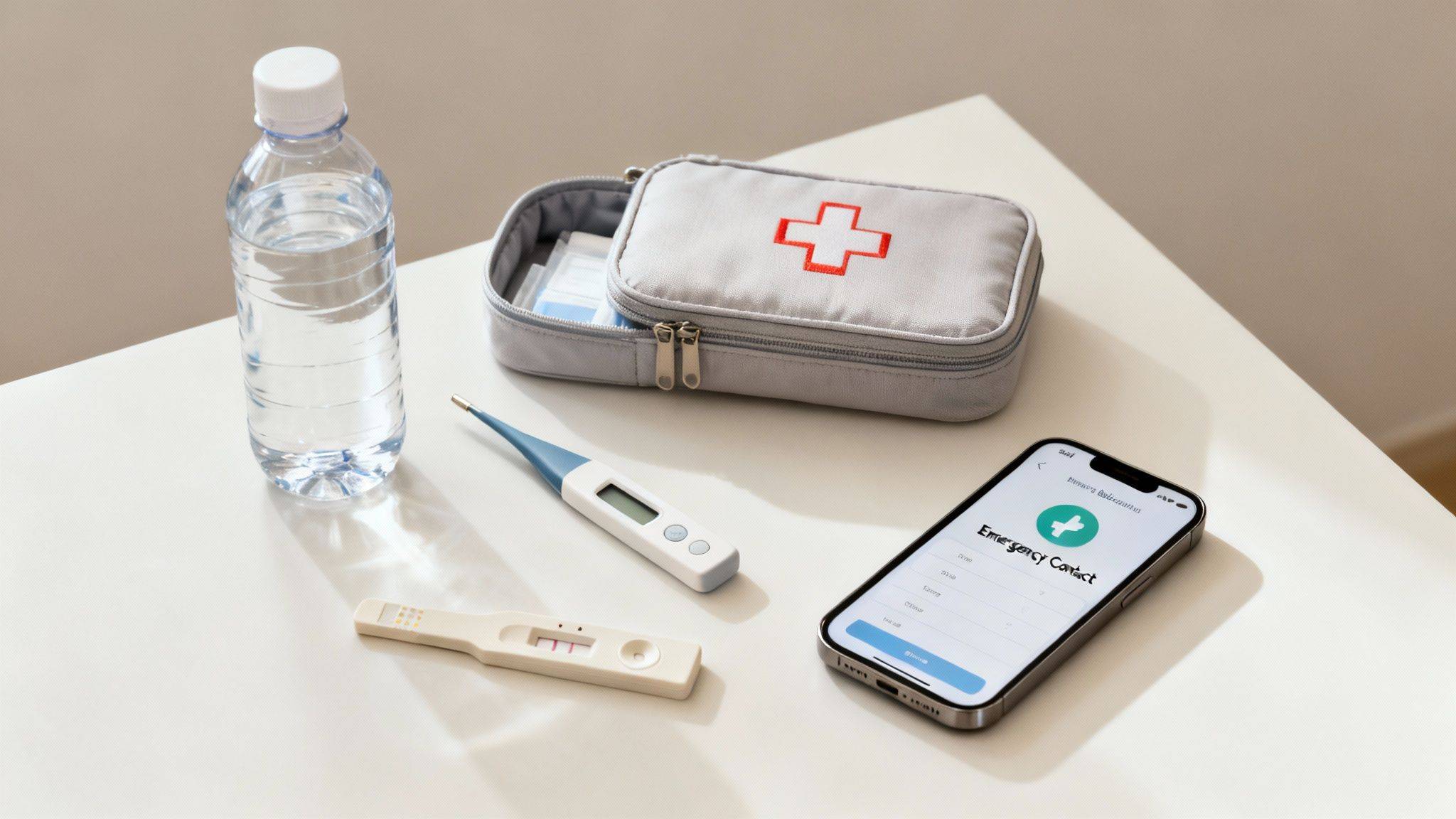
While it’s exciting to explore MDMA’s therapeutic potential, any responsible conversation has to include a clear-eyed look at the risks. Getting familiar with these dangers is the first step toward harm reduction—a set of real-world strategies designed to keep you as safe as possible. Think of it as empowering yourself to make smarter choices.
Right off the bat, the most immediate risks have to do with your setting and your body’s physical reaction. MDMA cranks up your body temperature and heart rate. If you’re in a hot, crowded club or at a festival, that effect gets amplified, and you can quickly run into hyperthermia (severe overheating) and dehydration. These two issues are behind most of the MDMA-related medical emergencies you hear about.
Fortunately, a few simple, proactive steps can make a world of difference. The basics? Stay hydrated by sipping water, not chugging it, and take regular breaks to cool off. Paying attention to your body and your surroundings is your single best tool for staying safe.
The Infamous Comedown
Once the main effects of MDMA fade, many people hit a wall known as the “comedown” or, as it’s sometimes called, “Blue Tuesday.” That period of low mood, irritability, and exhaustion is a direct result of your brain’s serotonin tank running on empty. The drug triggers a massive release of this “feel-good” chemical, and it simply takes time to build those stores back up.
This neurochemical dip is a natural part of the process, but you’re not powerless against it. Good aftercare is everything when it comes to helping your brain and body bounce back.
Essential Aftercare Practices:
- Rest and Recovery: Seriously, give your body plenty of time to sleep and recuperate.
- Nourishment: Focus on healthy, nutrient-rich food to help replenish what you’ve lost.
- Mindful Re-entry: Don’t schedule a high-stakes meeting or a stressful family event for the days right after. Ease back into things.
Think of it like helping a grocery store restock its shelves after a huge sale. The more you support your body’s natural recovery, the gentler the landing will be. These principles are part of a much bigger conversation, and you can learn more about harm reduction versus benefit maximization in different contexts.
Long-Term Concerns and The Danger of Adulterants
Looking beyond the immediate aftermath, we have to talk about the long-term risks, especially with heavy, frequent use. Research points toward potential neurotoxicity, which is a technical way of saying chronic use could damage the very neurons that produce serotonin. This is precisely why spacing out experiences and using moderate doses are absolute cornerstones of harm reduction.
“By far, the single greatest risk in any unregulated market is not knowing what you’re actually taking. Street drugs sold as “Molly” or ecstasy are very often cut with other, far more dangerous substances.”
This is where drug testing becomes completely non-negotiable. For just a few dollars, a reagent test kit can confirm if MDMA is present and, more importantly, warn you if it’s been mixed with dangerous adulterants. With potent synthetic opioids like fentanyl popping up in literally everything, testing is a simple, life-saving step. Assuming a pill or powder is pure is a gamble you just can’t afford to take.
The global illicit drug market just adds another layer of risk. Europe is a massive production hub for MDMA, feeding a retail market valued at over €594 million each year and supplying places from Asia to Oceania. In 2022, worldwide seizures of MDMA hit 12 tonnes—a 15% jump from the year before—and European authorities grabbed 43% of the global total between 2018 and 2022. Even with those massive busts, the stuff is widely available. The lethal dose rate is estimated at 1 in every 20,000 to 50,000 uses, a risk that becomes much higher when you have no idea what the purity or dosage really is.
The Critical Dangers of Mixing MDMA and Ayahuasca
Let’s be crystal clear: while both MDMA and Ayahuasca can be powerful catalysts for personal work, mixing them is a potentially fatal mistake. This is a dangerous chemical interaction that every person exploring these paths needs to understand completely, not a matter of opinion or a theoretical risk.
The entire danger comes down to a component in the Ayahuasca brew called a Monoamine Oxidase Inhibitor, or MAOI. Think of MAOIs as gatekeepers. Their job is to block the enzymes that normally break down key neurotransmitters like serotonin, effectively keeping them active in your system for much longer.
This is where things get incredibly risky.
The Serotonin Overload
MDMA’s primary effect is to trigger a massive, flood-like release of serotonin in the brain. Now, imagine introducing that flood into a system where the MAOIs from Ayahuasca have already padlocked the exits. The serotonin has nowhere to go.
What you get is a catastrophic chemical traffic jam known as serotonin syndrome. It’s a serious medical emergency where the brain’s circuits become so overwhelmed with serotonin that they begin to short-circuit, causing a cascade of dangerous symptoms. It’s the classic definition of “too much of a good thing” becoming toxic.
“The combination of an MAOI and a powerful serotonin-releasing agent like MDMA creates a level of risk that is simply not worth taking. There is no safe way to do this.”
Understanding this interaction is non-negotiable. While we talk a lot about harm reduction, this specific combination falls far outside those principles because the danger is built-in and severe. To get a better grasp of how these inhibitors work, you can read more about the crucial foods and medications to avoid with MAOIs.
Recognizing the Symptoms
Knowing the signs of serotonin syndrome could save a life. The symptoms can come on fast and escalate quickly, impacting the entire body. If this combination is ever accidentally consumed, immediate medical attention is the only answer.
Key Symptoms of Serotonin Syndrome:
- High Fever and Agitation: The body’s temperature can spike dangerously, often paired with extreme restlessness and confusion.
- Rapid Heart Rate and High Blood Pressure: The cardiovascular system is pushed into overdrive.
- Muscle Rigidity and Seizures: You might see severe muscle spasms, twitching, or even full-blown seizures.
- Loss of Consciousness: In the most extreme cases, a person can become completely unresponsive.
To put it bluntly, this interaction can kill. The only way to prevent it is to ensure a significant washout period between using an MAOI (like Ayahuasca) and MDMA. A safe and conservative timeframe is to wait a bare minimum of 4-6 weeks between the two, giving your system more than enough time to fully clear out.
The Evolving Legal Status of MDMA
If you’re tracking MDMA’s journey, understanding its legal status is absolutely crucial. For decades, it’s been locked away as a Schedule I drug in the United States and under similar tight restrictions in most other countries. This classification essentially meant it had “no accepted medical use” and a “high potential for abuse,” which slammed the brakes on nearly all research and clinical work.
But now, the ground is shifting. The sheer weight of evidence coming out of clinical trials is forcing regulators around the world to take a second look at MDMA’s potential. What was once a static, decades-old prohibition is now a dynamic and rapidly changing legal environment.
A Path Toward Medical Approval
In the U.S., the FDA has granted MDMA a “Breakthrough Therapy” designation for treating PTSD. This is a formal recognition that the therapy shows a major improvement over existing options, and it puts the treatment on a fast track for review, not just a fancy label. While it’s not a done deal, this designation is a massive step toward potential rescheduling and medical legalization.
And this isn’t just an American story. Other countries are beginning to carve out their own pathways for regulated medical access, all driven by the strength of the data.
“This global shift signals a move away from a purely prohibitive stance and toward a regulated, evidence-based approach—one that acknowledges MDMA can be a powerful tool for healing in a controlled clinical setting.”
Australia has already jumped ahead. In 2023, it became the first country to allow authorized psychiatrists to prescribe MDMA specifically for post-traumatic stress disorder. This move is a huge deal, as it gives us a real-world model of what regulated therapeutic access might look like on a larger scale.
This evolving legal framework is happening against a backdrop of widespread use. In 2022, an estimated 20 million people used MDMA worldwide, with the highest rates reported in Oceania. Global seizures of the substance also jumped by 15% that year, a clear sign of a robust supply chain that operates outside the law. You can dig deeper into these numbers by exploring these global MDMA statistics.
It’s helpful to remember that legal challenges for plant medicines and synthetic compounds often unfold differently. The long fight for the legal recognition of other traditional substances offers some interesting parallels. For instance, the legal history of Ayahuasca in the Supreme Court provides a valuable case study on the complex interplay between traditional use, scientific evidence, and modern law.
Got Questions About MDMA? Let’s Clear Things Up.
Diving into the world of MDMA, especially with all the conflicting information out there, naturally brings up a lot of questions. Let’s tackle some of the most common ones head-on to give you the clear, straightforward answers you need.
Is MDMA the Same Thing as Ecstasy or Molly?
You’ll hear these names used interchangeably, but it’s a huge mistake to assume they’re the same. The difference can be critical.
MDMA is the specific chemical: 3,4-methylenedioxymethamphetamine. That’s it. When we talk about MDMA in a clinical or therapeutic context, we’re talking about this pure compound.
The street versions are a different story altogether:
- Ecstasy usually means MDMA that’s been pressed into a pill. The problem is, you have no idea what else is pressed in there with it. These pills are notorious for being cut with anything from caffeine and speed to much more dangerous research chemicals.
- Molly was originally slang for pure, crystalline MDMA powder, meant to distinguish it from sketchy Ecstasy pills. Unfortunately, that reputation is long gone. These days, “Molly” is just as likely to be a mix of unknown substances.
Bottom line: The only way to know what you actually have is to test it with a reagent kit. Anything else is a complete shot in the dark.
How Long Do I Need to Wait Between Ayahuasca and MDMA?
This is a non-negotiable safety issue, and getting it wrong can be incredibly dangerous. Mixing MDMA with Ayahuasca, or any other substance containing an MAOI, can trigger serotonin syndrome—a potentially fatal condition.
You absolutely need a significant “washout” period between them.
“To be safe, the standard recommendation is to wait at least 4-6 weeks. That means you wait a minimum of a month after an Ayahuasca ceremony before taking MDMA, and vice-versa.”
This waiting period gives your brain chemistry a chance to fully reset. It ensures the MAOIs are completely out of your system, removing the risk of a toxic reaction. Don’t ever cut this short.
Can You Get Addicted to MDMA?
This is a nuanced question. MDMA is not addictive in the classic, physical sense like heroin or alcohol. You’re not going to experience intense physical withdrawal symptoms if you stop using it.
But that doesn’t mean it’s risk-free. Psychological dependence is very real.
Some people find themselves chasing the feeling of euphoria and profound connection that MDMA can create, often using it to escape or self-medicate for other problems. This is where a harmful, compulsive pattern can take hold.
The brain’s own chemistry puts a hard limit on frequent use, anyway. MDMA works by releasing a flood of serotonin, and your brain needs time to replenish its supply. If you use it too often, the “magic” fades fast, and you’re left with harsher comedowns and a greater risk to your long-term mental health.
Disclaimer:
The information provided on Ayahuasca.com is for educational purposes only and is not intended as medical advice, diagnosis, or treatment. Ayahuasca is a powerful traditional Amazonian medicine and may not be suitable for everyone. Always consult with a qualified healthcare professional before making decisions related to health, mental well-being, medications, or the use of Ayahuasca.