
If you’re wondering what is kratom, it is, at its heart, a plant. Specifically, it’s the leaf from the Mitragyna speciosa tree, a tall evergreen that grows wild across Southeast Asia and happens to be a close cousin to the coffee plant. For hundreds of years, people in Thailand, Malaysia, and Indonesia have picked and used these leaves for their unique effects, which can change dramatically depending on how much is used.
A Plant with a Dual Nature
So, what does kratom actually do? It’s best to think of it as having a built-in switch. Take a small amount, and it tends to act like a stimulant. Users often report a clean boost of energy, focus, and sociability, not unlike a strong cup of coffee. This is how it was often used traditionally, by farmers and laborers looking to get through a long, hard day’s work.
But if you increase the dose, that switch flips. In higher amounts, kratom’s effects shift toward sedation and pain relief. This is why many people today turn to it for managing chronic pain, unwinding after a stressful day, or as a sleep aid. This dual personality is the key to understanding both its wide appeal and the controversy that surrounds it.
From Traditional Leaf to Modern Powder
Traditionally, people would simply pluck a fresh leaf from the tree and chew on it. Today, that’s a rare sight outside of its native region. The kratom you’ll find online or in shops has been processed. The leaves are typically dried and then ground into a fine powder, which opens up a few different ways to take it:
- Capsules: The easiest method for many. It bypasses the taste and offers a pre-measured dose.
- Teas: A classic preparation where the powder is steeped in hot water. The taste is notoriously bitter and earthy, so many people add honey or lemon.
- “Toss and Wash”: This is the no-frills, get-it-done-quickly method. You just put a scoop of powder in your mouth and wash it down with water or juice.
- Extracts: These are highly concentrated products, liquids, tinctures, or resins, that pack a much bigger punch than plain leaf powder and should be approached with extra caution.
“Kratom’s leap from a regional folk remedy to a global supplement is a very recent story. Its explosion in popularity across the West, with an estimated 10-16 million users in the United States alone, has thrust it into a complicated and often heated debate involving users, scientists, and government regulators.”
The goal here is to cut through the noise and offer a clear, balanced look at this plant. We’ll dig into its history, its active compounds, the benefits people seek from it, and just as importantly, the very real risks and legal hurdles tied to its use. Getting the full picture is the only way to make an informed choice.
The Ancient Roots of Kratom in Southeast Asia
To really get a handle on kratom, you have to look past the modern headlines and journey back in time to the dense, humid forests of Southeast Asia. This is not some new-fangled discovery. For centuries, kratom has been deeply woven into the daily lives of people in places like Thailand, Malaysia, and Indonesia, much like coffee or coca leaves are in other parts of the world.
For generations, its most common role was as a humble tool for hard work. Picture farmers and laborers spending long, back-breaking days in the blistering sun. They’d often just pluck fresh leaves from the Mitragyna speciosa tree and chew on them. This simple act provided a mild boost of energy and stamina, helping them push through fatigue and get the job done.
In that context, kratom was an essential part of life in many rural communities. It was their version of a morning espresso shot or an afternoon pick-me-up, a natural way to improve productivity and make grueling physical work just a little more bearable.
More Than Just a Work Aid
But kratom’s traditional place in society went far beyond the fields. The plant was also a cornerstone of local folk medicine and a part of common social rituals.
Traditional healers relied on it for a whole host of everyday ailments. Depending on how it was prepared, it was used to help manage pain, settle a bad case of diarrhea, or even be applied directly to wounds as a poultice. It was a versatile, go-to remedy in the local botanical medicine cabinet.
And it was not just about medicine. Kratom was part of the social glue.
- Welcoming Guests: In many villages, offering guests fresh kratom leaves was a sign of hospitality, just like putting on a pot of tea.
- Socializing: It was often shared during community get-togethers, helping to spark conversation and connection.
- Ceremonial Use: While it never had the profound ritualistic significance of plants like Ayahuasca, kratom did find its way into some local ceremonies.
“For hundreds of years, kratom was just another plant in the local ecosystem, used by the people who lived there. This history is crucial for understanding how it went from a regional herb to a global commodity that sparks so much debate.”
A Legal Rollercoaster
What’s fascinating is how this long history of acceptance got turned on its head. In 1943, Thailand passed the Kratom Act, which made it illegal to plant new kratom trees. The reason was not public health; it was about money. The government saw kratom as direct competition for its highly profitable opium trade.
That single law pushed kratom use into the shadows for decades, even though it continued quietly in the countryside where traditions run deep. It took until 2021 for Thailand to finally decriminalize the plant, officially recognizing its cultural roots and once again allowing people to grow and sell it.
This complete reversal shows just how complicated the relationship between traditional plants and modern governments can be. Keeping this history in mind gives you a much richer perspective on the conversations, and controversies, swirling around kratom today.
How Kratom Works In The Body
So, how does kratom actually produce its effects? It all comes down to a fascinating group of active compounds called alkaloids, with two key players taking center stage: mitragynine and 7-hydroxymitragynine. These are the chemical engines that power the entire kratom experience.
These alkaloids have a unique relationship with the opioid receptors in our brains, the same ones that respond to prescription painkillers. But the interaction is different. Think of it like a key that fits a lock but only turns it partway. This partial activation is why kratom can offer feelings of pain relief and mood enhancement without the full-throttle intensity of conventional opioids.
This unique mechanism is also responsible for kratom’s famous dose-dependent personality. It has a curious dual nature: at lower amounts, it often behaves like a stimulant, but as the dose increases, it shifts gears toward more sedative and pain-relieving effects.
A Closer Look at the Alkaloids
Mitragynine is the most plentiful alkaloid in the kratom leaf, making up the bulk of its chemical makeup. It’s the primary driver of the plant’s effects. But it has a powerful partner: 7-hydroxymitragynine, often called 7-OH.
Though 7-OH exists in much smaller quantities, it’s significantly more potent. The delicate dance between these two, along with dozens of other minor alkaloids, creates the final symphony of effects you feel. This is also why the experience can be so variable; the exact alkaloid profile changes from batch to batch depending on the tree’s age, the season of harvest, and even the weather.
“Kratom’s interaction with the body is intricate, involving not just opioid receptors but also pathways for serotonin and dopamine. This is why its effects can feel so varied, ranging from energizing to calming and from mood-lifting to pain-dulling.”
Because of this complexity, it’s critical to be cautious when mixing kratom with other substances. For example, plant medicines like Ayahuasca operate on entirely different brain systems, and the potential for interactions is high and unpredictable. You can get a better sense of these risks by reading about foods and meds to avoid with MAOIs.
What’s the Deal with Red, White, and Green Strains?
If you’ve ever looked into buying kratom, you’ve no doubt encountered the “strains,” typically sorted by color: red, white, and green. Sellers often claim each color produces a distinct set of effects.
- Red Vein: Frequently sold for its supposed calming, sedative, and pain-relieving properties.
- White Vein: Generally marketed as an energizing and focus-enhancing option.
- Green Vein: Often presented as the happy medium, offering a balance of mild energy and gentle relief.
Here’s the thing: these labels are more marketing than science. There are no distinct botanical “strains” of kratom trees that grow leaves with different colored veins. The color actually comes from the leaf’s maturity and, more importantly, the specific drying and curing methods used after harvest. Different processing techniques can subtly alter the final alkaloid balance, which is what truly shapes the plant’s effects.
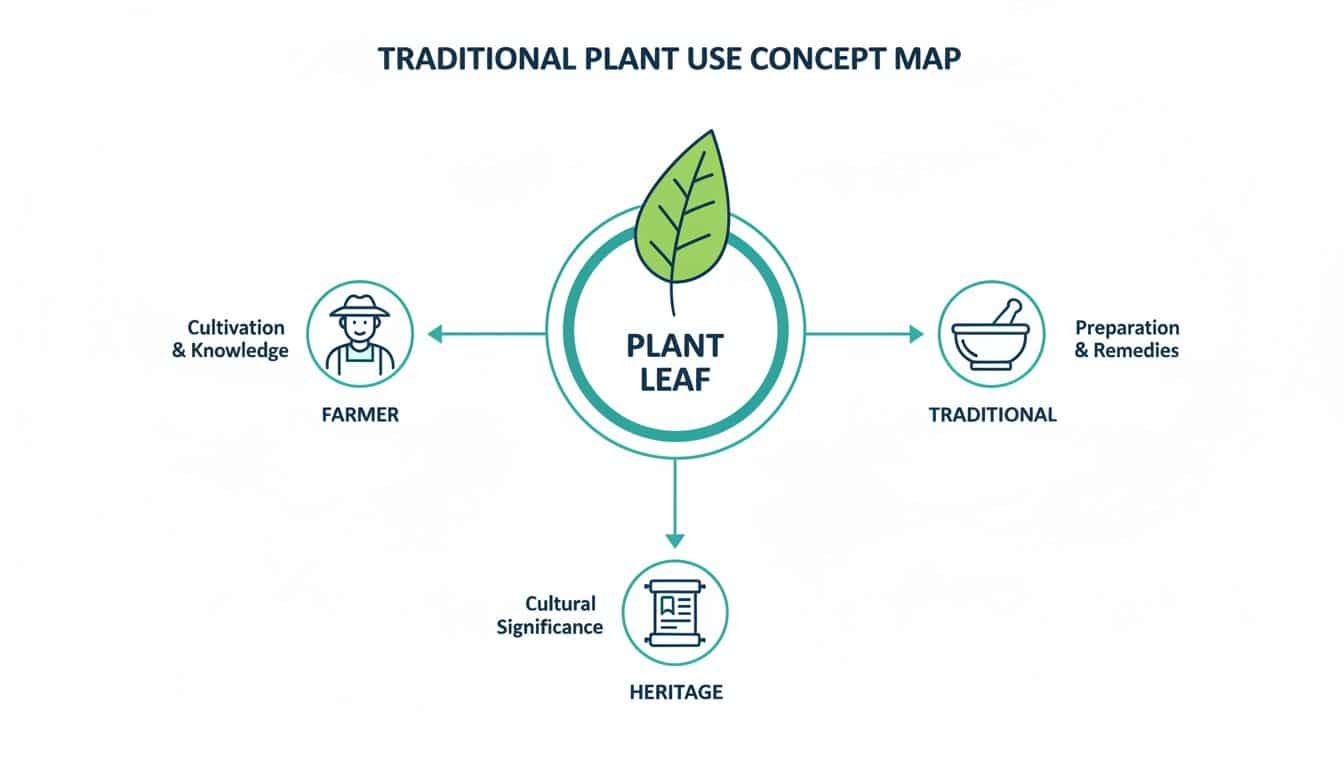
This process, from the hands of local farmers to its place in traditional remedies, is a huge part of kratom’s story.
The effects of kratom are not just about the “strain” color, but are heavily influenced by the amount you take. The following table provides a general overview of this dose-dependent relationship.
Kratom’s Dose-Dependent Effects
| Dosage Level | Typical Effects Reported |
|---|---|
| Low Dose (1–4g) | Often stimulating and energizing. Users may report increased focus, sociability, and alertness, similar to a strong cup of coffee. |
| Moderate Dose (4–6g) | Effects can transition to a mix of stimulation and sedation. Pain relief becomes more pronounced, alongside a sense of calm and well-being. |
| High Dose (6–8g+) | Primarily sedative and analgesic (pain-relieving). Users often report deep relaxation and significant pain relief. Risk of side effects increases. |
Remember, these are just general guidelines. Your individual body chemistry, tolerance, and the specific batch of kratom will all play a role in the final outcome. It’s always best to start low and go slow.
Exploring Kratom’s Potential Benefits and Uses
Millions of people now use kratom, and when you dig into why, it becomes clear they’re seeking genuine relief for a whole host of personal health challenges. The conversation quickly moves from “what is kratom?” to a much more personal story about self-care and the search for alternatives when conventional treatments fall short.
One of the biggest reasons for its popularity is its reported power to manage chronic pain. You’ll find countless personal stories online from people who say kratom gave them their lives back, helping them cope with everything from old injuries to persistent, debilitating conditions. For them, it’s a plant-based tool that helps them get through the day.
In the same vein, many people turn to kratom for its mood-lifting effects. They report that certain doses can take the edge off the constant buzz of anxiety or help pull them out of a depressive fog. This is especially true for those looking for a more natural way to support their mental and emotional health.
A Tool for Opioid Withdrawal
One of the most talked-about and significant uses for kratom is helping people navigate the brutal symptoms of opioid withdrawal. For anyone trying to break free from prescription painkillers or other opioids, the withdrawal process is notoriously agonizing. Many have found that kratom can dramatically reduce the severity of these symptoms, making an unbearable transition feel more manageable.
This specific use has been a massive driver of its growth. For instance, North America now dominates the global market, making up over 82% of all kratom extract sales. This incredible demand is directly tied to the ongoing opioid crisis, as people desperately search for safer ways to taper off far more dangerous substances.
What this really shows is a critical gap in our healthcare system. People are turning to kratom as a harm-reduction tool because they feel let down and unheard, relying on anecdotal evidence while scientific research scrambles to catch up.
“A survey of over 8,000 kratom users found that 68% reported using it for chronic pain, while 66% used it for an emotional or mental condition. This data underscores that the majority of users are not seeking a recreational high but are instead aiming for therapeutic relief.”
Personal Stories Versus Scientific Evidence
It’s crucial to keep a level head here. The overwhelming majority of kratom’s supposed benefits come from personal accounts and user surveys, not from double-blind clinical trials. While these stories are compelling and shouldn’t be dismissed, they simply aren’t a substitute for rigorous scientific proof.
The scientific community is really just getting started. Researchers are actively working to understand kratom’s full potential and its associated risks, but producing the kind of high-quality evidence needed to form a medical consensus takes a lot of time. For a deeper look into how traditional plant medicines are studied, check out our article on the scientific investigation of Ayahuasca.
This leaves us with a real divide: millions of users who are convinced they’ve found something that works, and a medical establishment that remains, understandably, cautious. If you’re considering what kratom might do for you, it’s vital to weigh these powerful testimonials against the current lack of definitive scientific backing. It’s a personal journey, and seeing both sides of the coin is the only way to make a truly informed choice.
Taking a Clear-Eyed Look at the Risks and Side Effects
No honest conversation about kratom is complete without a serious look at the potential downsides. Like any substance that affects your brain and body, there are benefits and risks. Understanding what can go wrong is just as important as knowing what might go right.
For most people, any side effects are usually mild and pop up when they’re new to kratom or take a bit too much. Think nausea, a case of the dizzies, or even vomiting. Other common complaints are constipation and dehydration, definitely manageable, but good to keep on your radar.
But the concerns don’t stop with a stomach ache. To make a truly informed decision, you have to be aware of the more serious possibilities, even if they are less common.
More Serious Health Concerns
Digging into the medical literature, you’ll find reports of more severe issues, and these deserve careful attention. While it’s rare, some people have developed liver toxicity from kratom. This is not a common reaction by any means, but it’s a powerful reminder that everyone’s body chemistry is different and can react in unexpected ways.
Another major concern, also quite rare, is the potential for seizures. There are a handful of case studies where individuals experienced seizures, usually after taking unusually high doses. What’s notable is that these often happened in people with no prior history of seizure disorders, pointing a finger directly at the high concentration of kratom’s active compounds.
“It’s impossible to talk about serious health events without mentioning this crucial fact: when kratom is involved, it’s rarely acting alone. Poison control center data from 2011 to 2017 revealed that in deaths where kratom was present, nearly 80% also involved at least one other substance.”
This statistic paints a vivid picture. Mixing kratom with anything else, alcohol, prescription meds, or illicit drugs, is where things can get truly dangerous. The interactions are unpredictable and can dramatically amplify the risks.
The Reality of Dependence and Withdrawal
This is probably one of the most important risks to get your head around: kratom can be habit-forming. Because its main alkaloids work on the same opioid receptors in your brain that other substances do, your body can get used to having it around. With regular, long-term use, you can build a tolerance, which means you’ll need to take more just to get the same effects you used to.
If someone who has become physically dependent suddenly stops, they’re likely to go through withdrawal. People often describe the experience as similar to a mild-to-moderate case of opioid withdrawal. It’s unpleasant, but generally considered less severe.
Common withdrawal symptoms can include:
- Aching muscles and joints
- Insomnia and a feeling of restlessness
- Irritability and dramatic mood swings
- Runny nose and watery eyes (flu-like symptoms)
- Nausea and stomach cramps
This potential for dependence is a huge part of why the medical community advises caution. It really highlights the need for moderation, taking regular breaks (tolerance breaks), and being brutally honest with yourself about how much and how often you’re using it.
Navigating an Unregulated Market
Finally, one of the biggest risks has nothing to do with the plant itself, but everything to do with the market it’s sold in. In places like the United States, kratom is typically sold as an herbal supplement, which means it completely sidesteps regulation from agencies like the FDA. This creates a wild-west, “buyer beware” environment where the quality and safety of what you’re buying can be a total crapshoot.
Without any mandatory testing, some products have been found to be contaminated with nasty stuff you don’t want in your body. We’re talking heavy metals like lead and nickel, or even harmful bacteria like salmonella. Worse, there have been documented cases of shady vendors secretly lacing their kratom with other, more dangerous synthetic drugs to make the effects feel stronger.
This is precisely why finding a reputable vendor is non-negotiable for anyone considering kratom. A trustworthy source will always provide transparent, third-party lab results for their products, it’s the single most important step you can take to protect yourself.
Kratom’s Complicated Legal Status
Trying to figure out if kratom is legal can feel like navigating a minefield. The rules change dramatically depending on where you are, and what’s perfectly fine in one town could be a serious offense just down the road. This patchwork of laws creates a ton of confusion.
In the United States, kratom exists in a strange legal limbo. It’s not a federally scheduled substance, so there’s no nationwide ban. However, the Drug Enforcement Administration (DEA) has tried to schedule it in the past, and this lingering threat from the federal level means states, counties, and cities are left to make up their own minds. The result? Some states have banned it completely, while others have put rules in place, like age restrictions.
A Patchwork of Laws at Home and Abroad
This state-by-state approach means you absolutely have to do your own research. Seriously, the laws can change from one county to the next. This legal mess isn’t just an American problem, either; kratom’s status is all over the map internationally.
Ironically, Thailand, one of the places where kratom grows naturally, just lifted its long-standing ban in 2021. It was a huge move that recognized the plant’s place in their culture and has since opened the floodgates for exports. It’s a fascinating example of how perspectives are shifting globally. Kratom’s journey has some interesting parallels with other traditional plants, though it still faces hurdles like the ongoing DEA debate. You can see how this plays out with other plant medicines by looking into the religious exemption process with the DEA.
“To get a sense of how big this has become, just look at the money. The market for kratom and kava drinks was valued at $351 million and is expected to nearly double to $620 million by 2032. With over 10 million regular users in the U.S. alone, often seeking alternatives for pain or mood, it’s clear there’s massive consumer interest. You can dig into these market insights and consumer trendsto learn more.”
Staying Safe: Harm Reduction is Key
Your first priority has to be safety. That means being incredibly careful about mixing kratom with anything else. The interactions can be unpredictable, and in some cases, downright dangerous.
This is especially critical when it comes to potent psychoactives. For instance, you should never combine kratom with Ayahuasca. They work on completely different pathways in the body, and mixing them could lead to serious, unexpected health problems. If you’re considering an Ayahuasca ceremony, you need a long washout period to get the kratom completely out of your system first.
Since the market is largely unregulated, finding a vendor you can trust is non-negotiable. A good supplier will be transparent and provide third-party lab reports to prove their product is clean, free from contaminants like heavy metals, pesticides, or microbes. Demanding this proof is the single best thing you can do to protect yourself. And, as always, double-check your local laws before you buy anything, because they can change quickly.
Got Questions? Here’s What People Often Ask About Kratom
As you start to wrap your head around kratom, you’ll probably have some specific questions pop up. It’s a complex plant, after all. Let’s tackle some of the most common ones to clear up any lingering confusion.
What’s the Deal with Red, Green, and White “Strains”?
You’ll see kratom sold under names like Red Bali, Green Maeng Da, or White Borneo. These colors refer to the color of the central vein in the leaf when it was harvested.
It’s a bit of a marketing shorthand, but there’s a general consensus among users about what to expect:
- Red Vein is often described as the most relaxing and sedating, popular for pain relief and evening use.
- White Vein is usually considered the most stimulating and energizing, sometimes used for focus or a morning boost.
- Green Vein is seen as the middle ground, a moderate blend of energy and relaxation.
But here’s the critical thing to remember: these are not distinct botanical varieties like you’d find with cannabis. The effects come from the plant’s alkaloids, and that profile can change dramatically from one batch to the next, regardless of the vein color. The label is a helpful guide, but it’s not a guarantee.
How Is Kratom Actually Used?
Back in Southeast Asia, the traditional method was simple: chew on the fresh leaves. Today, things are a bit different. By far, the most common form is a finely ground powder made from dried leaves.
One of the go-to methods is the “toss and wash,” you just scoop some powder into your mouth and wash it down with a glass of water or juice. It’s quick, but the taste is intensely bitter, which is a deal-breaker for many.
To sidestep the flavor, some people brew the powder into a tea, often adding honey or lemon. Capsules are another popular workaround. You can also find concentrated extracts in liquid tinctures or resins, which are far more potent and require much smaller doses. The way you take it really does influence how fast it hits and how strong it feels.
“A quick but important note on safety: mixing kratom with other potent substances is a bad idea. You’re heading into uncharted territory with unpredictable results. Always put your well-being first.”
Is It Safe to Mix Kratom and Ayahuasca?
Absolutely not. Combining kratom with Ayahuasca is incredibly dangerous and should be avoided at all costs. You’re dealing with two very powerful botanicals that work on the body in fundamentally different ways, and mixing them is a recipe for disaster.
Kratom’s alkaloids primarily affect opioid receptors. Ayahuasca, on the other hand, is a potent combination of a DMT-containing plant and an MAOI (monoamine oxidase inhibitor), which dramatically impacts your serotonin system.
Putting them together creates a serious risk of dangerous interactions. We’re talking about the potential for severe heart problems or a life-threatening condition called serotonin syndrome. If you’re planning to participate in an Ayahuasca ceremony, it’s vital to stop using kratom completely for a significant period beforehand. Your safety depends on it.