
The real heart of the matter when we talk about cultural appropriation versus cultural appreciation comes down to two things: intent and impact.
At its core, appropriation is taking. It happens when someone lifts elements from a marginalized culture without permission, understanding, or respect, often for personal or commercial gain. On the other hand, appreciation is engaging. It’s a genuine desire to learn about and honor a culture, its origins, and its people in a thoughtful way.
Understanding the Core Differences
If you’re drawn to Ayahuasca or other sacred plant medicines, this is a conversation you need to be a part of. As these ancient traditions gain global attention, it’s more important than ever to approach them with awareness and respect.
The line between appreciating a culture and appropriating it can seem thin, but a few key principles make the distinction crystal clear. This is about building bridges founded on respect and genuine exchange, not about gatekeeping or creating barriers. Thinking through these ideas helps us move beyond our own personal experiences to consider the deep historical and social roots of these powerful practices.
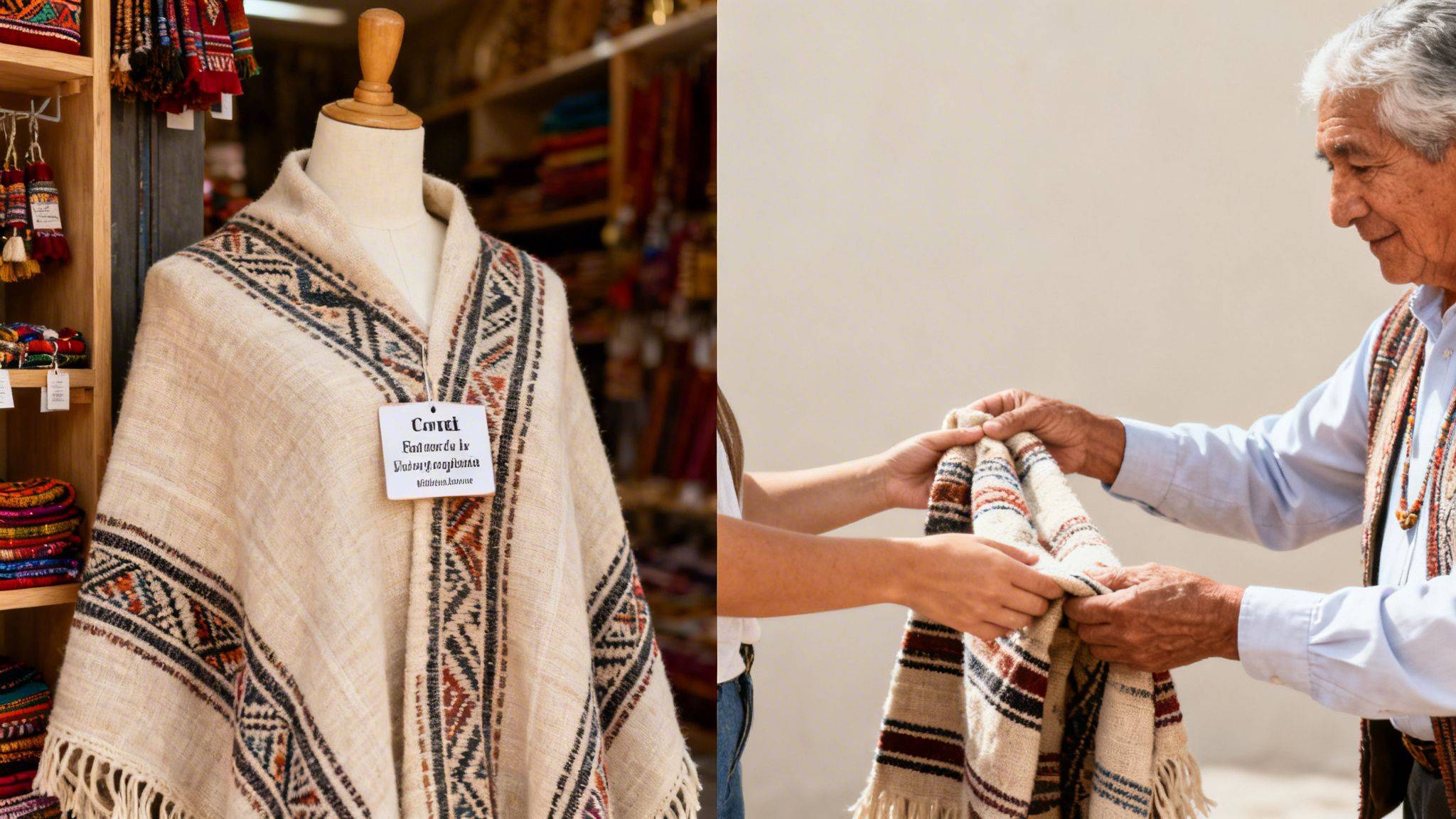
Key Principles at Play
Three core ideas really separate honoring a tradition from simply taking from it. Keeping these in mind can help you check your own motivations and vet any practitioner or retreat you’re considering.
- Power Dynamics: Appropriation almost always involves a dominant culture borrowing from a marginalized one, a culture that has often been colonized or oppressed. This power imbalance can reduce a deeply sacred element into a meaningless trend, completely stripping it of its context.
- Commercialization: When spiritual practices are packaged up and sold for profit, especially without any of that profit going back to the source community, it’s straight-up extraction. Appreciation, in contrast, ensures the original stewards of a tradition actually benefit when it’s shared.
- Consent and Context: True appreciation requires permission and understanding. Are the people sharing these traditions actually authorized to do so? Is the full weight of the history, context, and sacred meaning being honored, or just the parts that sell?
“When a ritual becomes a ‘prop’ without its history, it loses its soul and cultural significance. It’s your responsibility to be honest about your motivations.”
To make this even clearer, let’s look at a side-by-side comparison. The table below breaks down the fundamental differences in how these two approaches play out, especially when it comes to sacred traditions like Ayahuasca.
Appropriation vs Appreciation at a Glance
This quick summary shows how the core motivations, actions, and outcomes differ dramatically between respectful engagement and harmful extraction.
| Aspect | Cultural Appreciation (Respectful Engagement) | Cultural Appropriation (Harmful Extraction) |
|---|---|---|
| Motivation | To learn, honor, and understand a culture with respect for its depth and history. | To take surface-level elements for personal aesthetic, profit, or social status without context. |
| Source | Seeks out knowledge and guidance directly from members of the source culture or those with a clear, honored lineage. | Ignores the origins or takes from sources without permission, often misrepresenting the tradition. |
| Action | Involves listening, giving credit, and participating in a reciprocal exchange that benefits the source community. | Involves profiting from, trivializing, or stereotyping cultural elements, often without giving back. |
| Outcome | Fosters mutual respect, preserves cultural integrity, and supports the communities that steward the traditions. | Causes harm, erases meaning, perpetuates stereotypes, and financially exploits marginalized communities. |
As you can see, the path of appreciation is about building relationships and ensuring the exchange is honorable and supportive for everyone involved. Appropriation, by contrast, is a one-way street that ultimately causes damage.
Understanding the Roots of Sacred Plant Medicine
To truly connect with Ayahuasca, you have to start with its deep and ancient history. This isn’t some new wellness fad; it’s a sacred practice that goes back thousands of years, deeply woven into the lives of Indigenous peoples across the Amazon Basin. For more generations than we can count, this plant medicine has been a pillar of their communities, central to social structure, spiritual beliefs, and healing.
The traditions aren’t one-size-fits-all, either. Dozens of distinct groups have their own unique ways of working with the brew, complete with specific protocols, songs (known as icaros), and entire worldviews built around it. If you want to grasp the sheer diversity, you can learn more about the diverse indigenous groups that traditionally use Ayahuasca. These aren’t just empty rituals; they are living libraries holding immense ecological knowledge, ancestral wisdom, and spiritual guidance.
At the very center of these traditions is the shaman, or curandero. This person isn’t just a facilitator. They are a community cornerstone: a historian, a doctor, and a spiritual guide who has dedicated decades to intense training, fasting, and initiation. Their role is a sacred duty, passed down through a direct line of teaching from one generation to the next.
The Shadow of Colonization
You simply can’t talk about these sacred traditions without talking about the history of colonization in the Amazon. For centuries, Indigenous peoples have been under attack from outsiders including missionaries, corporations, and governments, all trying to stamp out their cultural and spiritual practices. That long, painful history of oppression has created a power imbalance that is still very much alive today.
This historical backdrop is absolutely essential for understanding the whole cultural appropriation vs. cultural appreciation conversation. When Westerners jump into Ayahuasca work without acknowledging this history, they risk falling into the same old pattern of extraction that has harmed Indigenous communities for so long. The explosion of global interest in Ayahuasca, while well-intentioned, has also left these traditions wide open to being commercialized and twisted.
“Understanding the past is about recognizing the very real power dynamics at play, not about pointing fingers. Ethical engagement means we have to see where our own actions fit into this much bigger historical story, so we don’t just become another part of a long history of taking without giving back.”
Why Lineage and Context Are Everything
As Ayahuasca has spread across the globe, ceremonies are now happening far from its Amazonian home. This has certainly made the medicine easier to access, but it has also watered down the importance of lineage and context. A ceremony that’s been stripped of its cultural roots becomes something else entirely. It might still be a powerful psychological experience, but it’s missing the spiritual depth and ancestral connection that truly defines the practice.
This is exactly why engaging ethically isn’t just a nice idea, it’s a responsibility. It means committing to learn, to listen, and to actively support the very cultures that have protected this medicine for generations. It all comes down to how we see our actions: are we borrowing in a way that feels like respectful exchange, or are we just taking? This perspective is crucial for any seeker who wants to walk this path with real integrity.
How to Spot Red Flags in Ayahuasca Retreats
The world of Ayahuasca retreats is vast and, frankly, can be a little overwhelming to navigate. As its popularity has boomed, it’s become more important than ever to know the difference between a retreat that genuinely honors the tradition and one that’s simply cashing in. Learning to spot the warning signs of cultural appropriation is the first step toward an ethical and meaningful journey.
One of the biggest red flags is a facilitator or center with no discernible connection to an Indigenous lineage. If a practitioner can’t clearly tell you who their teachers were, what tradition they come from, and how they earned the right to serve this medicine, that’s a major problem. Vague claims of being “shamanically trained” without any specific, verifiable details often mean they’ve bypassed the rigorous, years-long training required.
Also, listen closely to the language they use in their marketing. Any retreat promising a “quick fix,” guaranteed enlightenment, or a complete life overhaul in a single weekend is likely prioritizing profit over process. This kind of hype trivializes the deep, long-term work that this path truly demands from everyone involved.
Unpacking the Commercialization Aspect
When a sacred practice becomes a business, it’s easy for the lines to blur. While retreats obviously need to cover their costs, an excessive focus on commercialization is a clear sign of appropriation. Be cautious of centers that feel more like a luxury spa than a sacred space, especially if they’re constantly pushing expensive add-ons or using high-pressure sales tactics.
An ethical retreat should have no problem being transparent about its finances. You have a right to ask where your money is going.
- Community Reciprocity: Does any portion of the profits go back to the Indigenous communities where the medicine or traditions originate?
- Fair Compensation: Are the local and Indigenous staff, the cooks, cleaners, and helpers, being paid a fair, living wage for their work and knowledge?
- Medicine Sourcing: Can they tell you exactly where their Ayahuasca comes from and confirm it’s harvested ethically and sustainably?
If a center gets defensive or dodges these questions, take it as a serious warning. True appreciation is built on reciprocity, a two-way street where the source community benefits from sharing their traditions. This is a complex issue, and it’s worth reading about the transformations Ayahuasca tourism has produced to understand the dynamics at play.
Disregard for Traditional Protocols
Authentic Ayahuasca practice is steeped in tradition. The protocols and customs surrounding it have been developed and refined over centuries to ensure everyone’s safety and to create the right container for deep healing. Any facilitator who dismisses or outright ignores these core practices is a huge red flag.
A classic example is the dieta, the preparatory diet and lifestyle restrictions followed before and after a ceremony. This isn’t some arbitrary rule; it’s a fundamental part of the process, meant to purify your body and spirit to receive the medicine’s teachings. A practitioner who tells you the dieta isn’t important is cutting corners and disrespecting a foundational element of the tradition.
This decision tree helps visualize how central things like lineage, oral traditions, and outside influences are when you’re trying to figure out if a practitioner is the real deal.
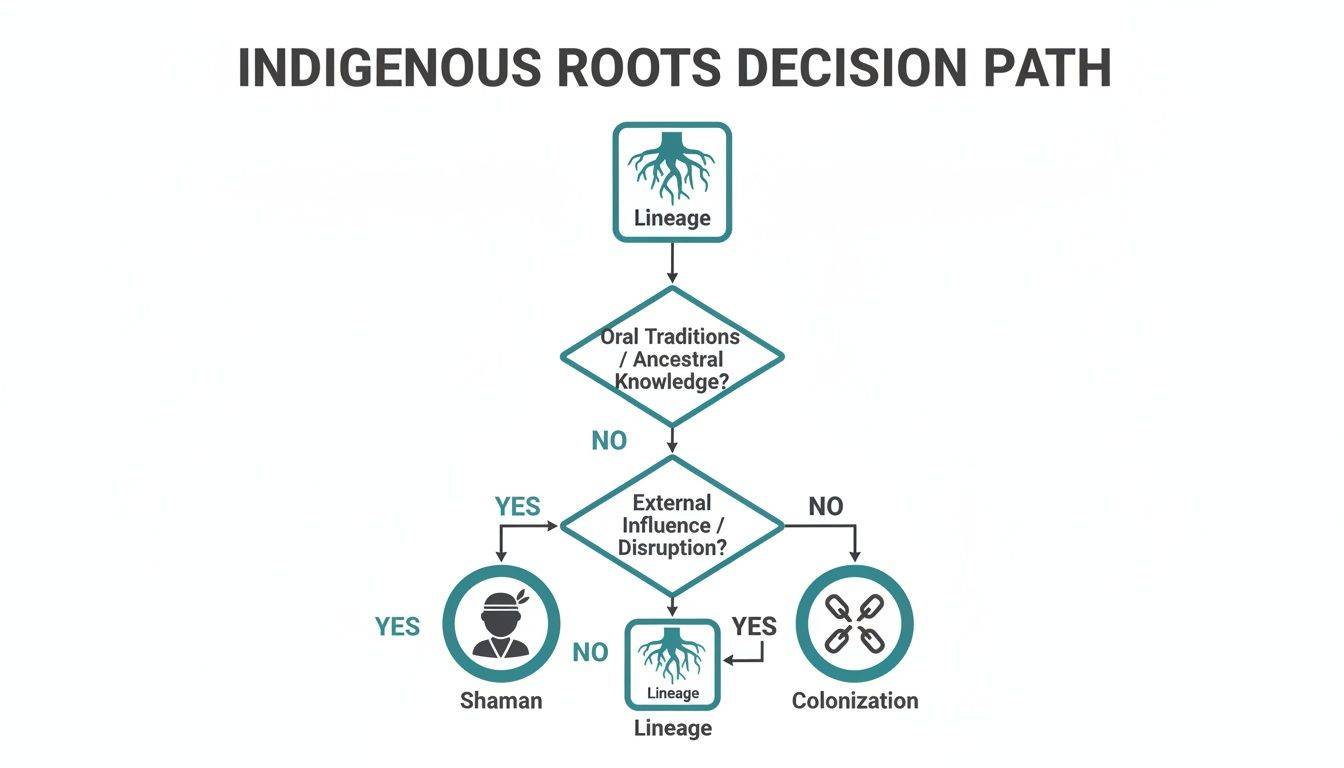
As the chart shows, a practitioner’s direct connection to an established lineage and their commitment to the oral traditions passed down through it are the bedrock of authentic practice.
“The crucial difference often lies in the motivation. Is the retreat’s primary goal to serve the participants and the tradition, or is it to create a marketable product? When aesthetics and profit overshadow sacredness and respect, the line into appropriation has likely been crossed.”
By keeping an eye out for these red flags including a fuzzy or non-existent lineage, over-the-top commercialization, and a dismissal of core protocols, you can make a much more informed choice. This awareness is a key part of the cultural appropriation vs. cultural appreciation conversation, helping you support practices that truly honor the deep and sacred roots of Ayahuasca.
Practical Steps for Respectful Engagement
Moving from understanding the theory to putting it into practice is where the real work begins. The path of genuine cultural appreciation is an active one. It involves humility, a real desire to learn, and a deep commitment to giving back, not just having good intentions. When you embrace these principles, you shift from being a passive spiritual consumer to becoming a respectful participant in a sacred exchange.
This change in perspective is all about moving from taking to engaging. It’s recognizing that you are a guest in a tradition that isn’t your own and then acting like one. The heart of respectful engagement is a willingness to listen more than you speak, honor the rules set by the tradition’s guardians, and make sure your presence is a positive contribution to the communities that have protected this knowledge for centuries.
Prioritize Indigenous Leadership and Lineage
Honestly, the most impactful thing you can do is seek out ceremonies and retreats that are either Indigenous-led or have a transparent, honored, and direct connection to an Indigenous community and lineage. This is the surest way to know you’re learning from a legitimate source and that the tradition is being shared with permission and in its proper context.
When a facilitator has a clear link to a lineage, they are accountable to their teachers and their community. That accountability is a critical safeguard against the practice being watered down or misrepresented.
Practice the Principle of Ayni (Reciprocity)
In many Andean cultures, the concept of ayni, or sacred reciprocity, is a fundamental law of life. It’s the simple but profound understanding that everything is an exchange of energy, to receive, one must also give. This principle is the perfect guide for engaging with Ayahuasca respectfully.
And reciprocity is so much more than just the financial transaction of paying for a retreat. It’s about finding meaningful ways to give back to the source.
- Financial Support: Choose retreats that can show you exactly how they support their local or source communities. This could be through direct profit-sharing, funding community projects, or supporting vital land rights initiatives.
- Advocacy: Use your platform, whatever its size, to support Indigenous rights. Learn and then teach others about the challenges these communities face, from environmental threats to the ongoing fight for cultural preservation.
- Responsible Sharing: If you share your experience, do it with humility. Center the tradition and its teachers, not yourself as some newfound expert. Always, always give credit where it’s due.
“Reciprocity is not charity; it is a fundamental act of respect. It acknowledges that you are receiving something of immense value, access to ancient wisdom, and that this exchange carries a responsibility to honor and support its origins.”
Educate Yourself Continuously
Your learning journey should start long before you ever sit in a ceremony and continue long after. True cultural appreciation demands a real commitment to learning about the history, cosmology, and social context of the traditions you’re engaging with. This self-education is a powerful tool in navigating the tricky waters of cultural appropriation vs. cultural appreciation.
Recent academic research drives this point home, showing how people grapple with these complex issues. The study found that true appreciation is rooted in understanding the cultural context and genuinely seeking to learn, while appropriation comes from snatching elements without permission or any real grasp of their meaning. That distinction is everything for someone on this path. You can dive deeper into these findings and learn how consumers differentiate appropriation from appreciation.
When you invest time in learning, you build a foundation of knowledge that allows you to engage more deeply and respectfully. This commitment shows that you value the tradition for its profound depth, not just for the personal high it might offer. It’s this proactive approach that empowers you to make conscious, ethical choices and become a force for preservation, not extraction.
Navigating the Conversation in a Digital World
The conversation around cultural appropriation and appreciation isn’t just happening in hushed retreat centers, it’s exploding across social media. This digital echo chamber can make it tough for genuine seekers to find their footing, as online debates often devolve into polarized, misinformed arguments. Figuring out your own role in this global conversation is a huge part of approaching traditions like Ayahuasca with respect.
Online platforms have a way of shaping our reality, and that comes with a responsibility to think before we share. A profound healing journey is deeply personal, but when we blast it online without context or humility, we can accidentally help turn a sacred practice into a trivial trend. The internet flattens nuance, reducing rich cultural heritage into easily digestible content.
This is why it’s so important to pause and reflect before posting. Ask yourself a few hard questions: Am I truly honoring where this tradition comes from? Am I painting myself as an expert after just a few ceremonies? Most importantly, am I using my platform to lift up the voices of the Indigenous teachers and communities who have safeguarded this medicine for generations?
The Disconnect Between Discourse and Lived Experience
One of the biggest problems with online discussions is the chasm between who is doing the talking and who has lived experience. It often feels like the loudest voices in these digital debates have little to no personal connection to the cultures they’re dissecting. This skews the entire conversation and pushes the people most affected to the margins.
This isn’t just a feeling; the numbers back it up. A global survey found that a staggering 73.3% of respondents had zero personal experience with cultural appropriation. Only 26.7% had actually encountered it firsthand. What’s more, 40.7% of people said cultural appropriation didn’t affect their culture at all, which highlights a massive gap between online chatter and real-world impact. You can dig deeper into these demographic patterns and see what they mean for the global conversation in the full survey findings.
This data tells a clear story: much of the online debate is driven by people outside the affected communities. Their perspectives might be well-meaning, but they can easily overwhelm the quieter, more nuanced voices of Indigenous peoples who are living these realities every single day.
Moving from Fear to Active Listening
The fear of getting “called out” online for appropriation can be paralyzing, causing people to shy away from engaging at all. But silence isn’t the solution. The real work is to shift from a place of fear to one of proactive listening and learning. This is where the cultural appropriation vs. appreciation debate moves from a theoretical argument to a conscious practice.
“The most powerful step you can take is to consciously de-center your own voice and instead seek out and amplify Indigenous perspectives. Follow Indigenous educators, support Indigenous-led organizations, and listen to what they say about how their traditions should be shared and respected.”
This takes humility and a real commitment to being a student. It means putting the needs and concerns of the source communities ahead of your own desire for a spiritual experience. It also involves being discerning about who you learn from, which is critical for avoiding exploitation. For example, the Cofán people have issued statements to clarify who genuinely represents their traditions, a vital move by an Indigenous community to reclaim control of their own story.
By actively listening and learning, you help build a more informed and respectful global wellness community. You ensure that your own journey with Ayahuasca honors its sacred roots, rather than contributing to their erosion.
Continuing Your Journey with Reputable Resources
Figuring out the difference between cultural appropriation and true appreciation isn’t something you learn once and check off a list. It’s a practice, a commitment you make for the long haul. This work is about building a foundation of respect and humility as you engage with these ancient traditions.
The best way to make sure your path is one of genuine appreciation is to keep learning. The idea is to get past a surface-level curiosity and really dig into the history and meaning of the cultures that have stewarded medicines like Ayahuasca for generations. When you seek out and learn from the right sources, you’re not just a tourist; you’re actively helping to preserve this wisdom.
Amplifying Indigenous Voices and Organizations
The single most important thing you can do is listen to Indigenous people. It’s that simple. The organizations they lead are the true guardians of these traditions, and supporting them is a direct act of giving back. They offer the most authentic education and are on the front lines, protecting their cultures and the Amazon itself.
Here are a few great places to start:
- Cultural Survival: This group works directly with Indigenous communities to defend their rights and cultural heritage. You’ll find a wealth of articles, reports, and news straight from Indigenous leaders.
- Amazon Frontlines: Working on the ground in the Western Amazon, they partner with Indigenous peoples to protect their land, life, and culture from threats like oil drilling and mining.
- The Chacruna Institute for Psychedelic Plant Medicines: While not exclusively Indigenous-led, Chacruna does an excellent job of putting Indigenous voices at the center of the conversation around psychedelic justice, reciprocity, and the global spread of plant medicines.
“Engaging with these resources is about shifting the focus. It moves the conversation away from the Western perspective and puts it back where it belongs, on the communities that hold this knowledge. This is how you go from being a consumer to becoming an ally.”
Recommended Books and Documentaries
To get the full picture, you have to go deeper than articles can take you. Well-researched books and documentaries offer the historical context and personal stories that bring these issues to life. This kind of self-education is a non-negotiable part of engaging ethically.
- Books: Seek out works by ethnobotanists, anthropologists, and Indigenous authors who have dedicated their lives to learning respectfully. Books like The Cosmic Serpent by Jeremy Narby or Singing to the Plants by Stephan V. Beyer offer incredible depth and perspective.
- Documentaries: Sometimes seeing is believing. Films made in collaboration with Indigenous communities give them a platform to tell their own stories, in their own words.
This isn’t just about collecting facts. It’s about fundamentally changing how you see things. Every book you read and documentary you watch helps you build a more complete understanding, which in turn helps you make better, more respectful choices on your own path. The effort you put into learning is a direct measure of your respect for the tradition.
Frequently Asked Questions
When you start exploring a path with Ayahuasca, a lot of important questions come up. It’s totally normal. The line between cultural appropriation and genuine appreciation can feel blurry, so let’s clear up a few of the most common things people ask.
Can I Participate in an Ayahuasca Ceremony if I’m Not Indigenous?
Absolutely. The door isn’t closed to outsiders, but how you walk through it matters more than anything. The key is to find ceremonies led by Indigenous practitioners or facilitators who have a direct, honored connection to a specific lineage.
Your mindset is everything. Are you showing up as a humble student, ready to listen and learn? Or are you there for a quick “spiritual experience”? The goal is to participate in a way that the community stewarding the tradition actually benefits from your presence, both spiritually and financially.
Is It Appropriation to Share My Ayahuasca Experience Online?
Sharing your journey can be a beautiful act of appreciation, as long as it’s done with care. The real test is where you place the focus. Keep it on your personal healing and what you learned, rather than presenting yourself as an expert after just a few ceremonies.
Be mindful of using sacred symbols or traditional language casually. A much better approach is to use your voice to amplify the voices of your teachers. Credit them by name. Link to their work. This way, you’re sharing your story while honoring its source, which is a powerful form of respect.
“Mindfulness is the difference between sharing your story and co-opting someone else’s. Your personal narrative should always lead back to the source of the wisdom, giving credit and showing gratitude to the tradition and its guardians.”
How Can I Tell if a Retreat Financially Supports the Local Community?
An ethical retreat won’t hide this information; they’ll be proud of it. Don’t be shy about asking direct questions about how they work with and support the local community. Their answers should be specific and clear.
Here’s what to look for as evidence of true reciprocity:
- Ownership and Employment: Is the retreat owned or co-owned by Indigenous people? Are locals hired for skilled, meaningful roles with fair pay, or are they only in low-level service jobs?
- Benefit Sharing: Ask them to explain exactly how profits are shared or reinvested back into the community. If their answer is vague, that’s a major red flag.
- Sourcing Practices: Do they have a clear, sustainable, and ethical process for sourcing their Ayahuasca and other plant medicines from local partners?
Genuine appreciation is a two-way street. When you see a retreat truly invested in the well-being of the local people and the land they inhabit, that’s a strong sign they’re operating with integrity.
Disclaimer: The information provided on Ayahuasca.com is for educational purposes only and is not intended as medical advice, diagnosis, or treatment. Ayahuasca is a powerful traditional Amazonian medicine and may not be suitable for everyone. Always consult with a qualified healthcare professional before making decisions related to health, mental well-being, medications, or the use of Ayahuasca.