
Nervous about ayahuasca? Feeling anxious before your first Ayahuasca ceremony is more than just normal, it is a sign of respect. It shows you understand that you’re stepping into something significant. That blend of excitement and a healthy dose of fear is a feeling shared by millions who have walked this path before you, a signal that you’re approaching this journey with the reverence it deserves.
The best way to work with that nervous energy is to channel it into mindful preparation. This guide is here to walk you through exactly that, turning any apprehension you might have into a quiet, informed confidence.
Your Guide to Navigating Ayahuasca with Confidence
That feeling you have right now? It’s a rite of passage. You’re not alone in it. The video above shares some heartfelt perspectives from people who’ve stood exactly where you are now, wrestling with those same questions of trust and readiness. It touches on many of the core themes we will explore here, including how to turn fear into clarity and approach the experience with a grounded understanding.
Knowledge is the most grounding tool you have. By understanding the process from beginning to end, you build a safe container for your journey. Let’s break down everything you need to know, step by step.
Understanding the Call to Ayahuasca
Most people don’t decide to drink Ayahuasca on a whim. It’s often a deep, persistent pull, a feeling that there’s something there for you. This calling might arise from a desire for profound healing from old wounds, a search for answers to life’s big questions, or a longing for a deeper spiritual connection.
This sense of being “called” often comes with a paradoxical mix of readiness and anxiety. It is so important to honor both. Your apprehension means you’re taking this seriously, and that’s a good thing. Proper preparation is what allows you to transform that raw energy into focused intention, creating a solid foundation for the work ahead.
“A well-held, professional retreat environment is the cornerstone of this process. It ensures every detail, from medical screening to post-ceremony integration, is handled with care, freeing you to surrender to your own inner journey.”
What This Guide Will Cover
To give you the full picture, we’ll explore the key pillars of a safe and meaningful Ayahuasca experience. Each section is designed to answer common questions and help you feel fully prepared:
- The Ceremony Experience: We’ll look at what actually happens during the ceremony night, from drinking the tea to the vital role of the shaman and their sacred songs, or icaros.
- Physical and Emotional Preparation: How the traditional dieta and your mental groundwork set the stage for a profound journey.
- Safety and Vetting: How to choose a trustworthy retreat and understand the critical health screenings.
- Integration: The all-important work you do after the ceremony to weave your insights into lasting, positive change in your life.
Feeling nervous is part of the journey, but it doesn’t have to overshadow your experience. A 2023 report showed that over four million people worldwide have now participated in Ayahuasca ceremonies. The vast majority of them were first-timers, just like you. To get a sense of the scale, you can read more about the global reach of Ayahuasca and see how many others have answered this same call.
What Really Happens During an Ayahuasca Ceremony
The biggest source of anxiety is almost always the unknown. When you close your eyes and try to picture an Ayahuasca ceremony, what comes to mind? If the image is fuzzy or intimidating, let’s replace that with a clear, grounded picture of what the night of your journey actually looks like.
Knowing the rhythm of the evening, the role of the people holding space, and the purpose behind each step helps you relax into the experience instead of bracing against it. A ceremony is a carefully held container designed for safety, deep introspection, and healing.
From the moment you walk into the ceremonial space, often a round temple called a maloca, every detail is intentional. You’ll find your spot, which will have a mattress, blankets, a pillow, and a bucket for purging. The space is kept dark and quiet, creating a sanctuary where all your focus can turn inward.
The Flow of the Night
A typical ceremony gets underway around dusk. The facilitator, or shaman, opens the space with blessings, prayers, or by smoking sacred tobacco (mapacho) to cleanse the energy of the room and everyone in it. This initial ritual sets a protective and reverent tone for the night.
After the opening, the Ayahuasca is served. One by one, you’ll be called up to the facilitator to receive your cup. The brew itself has a notoriously strong taste, earthy, bitter, and often challenging to get down. Once everyone has had their turn, you go back to your mat to wait for the effects to begin.
The medicine usually takes 45 to 90 minutes to come on. The heart of the ceremony is a deep dive into your inner world, guided by the sacred songs, or icaros, that the shaman sings for several hours to steer the energy and support your process. This journey typically lasts for four to six hours, and you can explore the timeline and sensations in our detailed guide on what to expect from the Ayahuasca experience. As dawn gets closer, the formal part of the night winds down, often with a simple closing circle for sharing and quiet reflection.
The Role of Purging
One of the most common worries people have is about the purge. In the context of Ayahuasca, purging, which can be vomiting or diarrhea, is understood as a profound physical and energetic cleanse. It’s seen as the body’s way of expelling stored toxins, negative energy, and old emotional baggage.
“The purge is not a side effect; it is an integral part of the healing. It’s a physical manifestation of letting go of what no longer serves you, leaving you feeling lighter, clearer, and unburdened.”
This release is a core part of the experience for most people. It’s estimated that around 80% of participants will purge in some way during a ceremony. While the idea can be unnerving, most find the act itself is different than being sick from the flu. It’s often a quick, powerful release that brings an incredible sense of relief and clarity afterward.
Understanding Ayahuasca Visions
Visions are another famous aspect of the Ayahuasca journey, but they are deeply personal and vary wildly from one person to the next. It’s important to know they aren’t guaranteed, and no two experiences are ever the same.
When visions do come, they can show up in a few common ways:
- Geometric Patterns: Many people first notice intricate, colorful, and shifting geometric shapes and fractals with their eyes closed.
- Symbolic Imagery: You might encounter animals, spirits, or archetypal figures that feel deeply significant and seem to carry personal messages or guidance for you.
- Life Review: It’s very common to revisit past memories or relationships from a completely new vantage point, which can bring profound understanding and emotional resolution.
It’s best to see these visions as a symbolic language from your own subconscious. They are meaningful messages that can reveal the roots of your struggles and light up the path forward. If you can approach them with curiosity instead of fear, they become powerful allies for self-discovery.
Preparing Your Mind and Body for the Journey
If there’s one thing you can do to calm your nerves and step into this experience with confidence, it’s thoughtful preparation. When you intentionally prepare your body and mind, you’re not just following rules; you’re building a solid foundation for your Ayahuasca journey.
Think of this period as the real start of your work. By consciously choosing what you eat and where you put your energy, you’re already starting a conversation with the medicine and showing your commitment to whatever healing is waiting for you.
The Ayahuasca Dieta What to Eat and Why
The traditional path to an Ayahuasca ceremony always begins with a specific diet, or dieta. The practice is a spiritual one designed to purify your body, making it more sensitive and open to the subtle energies of the plant medicine. Following the dieta is an act of respect for the tradition, the medicine, and yourself.
The idea is simple: eat clean, whole foods and avoid anything that is heavy, over-stimulating, or chemically complex. The goal is to reduce the “noise” in your system so you can hear the messages Ayahuasca has for you with greater clarity.
For at least one to two weeks before your ceremony, you’ll want to avoid:
- Pork and red meat
- Spicy and heavily processed foods
- Fermented foods (like aged cheeses, tofu, sauerkraut)
- Excess salt and sugar
- Caffeine and alcohol
- Sexual activity
These guidelines are there for both energetic and very real physiological reasons. For instance, avoiding tyramine-rich foods like aged cheeses and cured meats is a critical safety measure, as they can have a dangerous interaction with the MAOI component in Ayahuasca.
Setting Your Mental and Emotional Space
Just as you clean your physical house, you must also prepare your inner world. Your intention is the single most important tool you have, it’s the compass for your journey. It acts as a guiding light you can return to if you feel lost or overwhelmed in the ceremony. A clear intention helps focus the medicine’s incredible healing potential on what matters most to you.
“Your intention doesn’t need to be elaborate. It can be as simple as a question, like “What is holding me back from joy?” or a statement of purpose, such as “I want to heal my relationship with myself.””
To help bring your intention into focus, try these practices:
- Journaling: Spend some time writing about your hopes, your fears, and what brought you to this path. Exploring what you wish to release or understand can help you uncover the deeper intentions hiding just below the surface.
- Mindfulness or Meditation: Even just a few minutes a day can train your mind to stay present and calm. Learning to anchor yourself in your breath is an invaluable skill for navigating the more intense moments of a ceremony.
- Time in Nature: Spending quiet time outdoors is a powerful way to ground your energy and disconnect from the stress of daily life. It helps you enter the ceremonial space with a more peaceful and centered spirit.
This image gives you a simple visual of the key stages within the ceremony itself, showing how the process unfolds from cleansing to the brew and the purge.
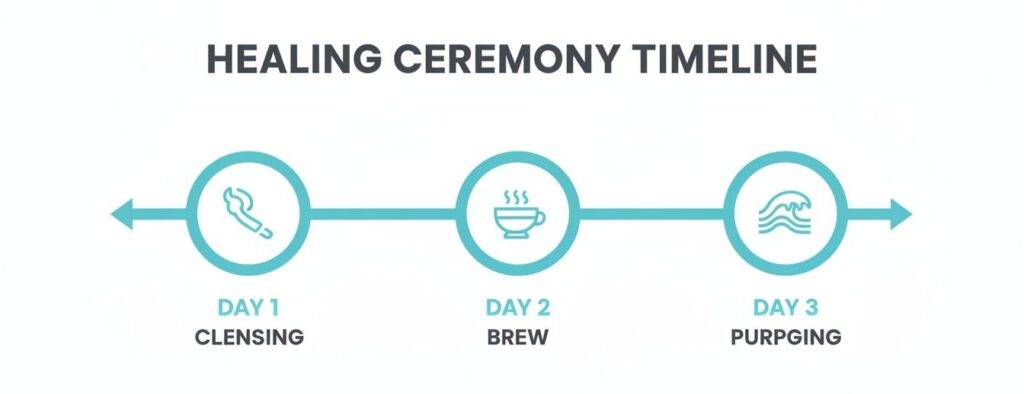
The timeline reminds us that the experience is a structured process, where every part plays an essential role in the healing journey.
Practical Planning for a Smooth Experience
Taking care of the small, practical details beforehand is a huge gift to your future self. It frees your mind from logistical stress, allowing you to be fully present for the experience. There’s a powerful calm that comes from feeling organized and ready.
To get started, we’ve put together a simple checklist to help you organize the key areas of preparation.
Ayahuasca Preparation Checklist The Dieta and Beyond
This table summarizes the core preparation steps, covering everything from diet and mental focus to the practical logistics. Following it will help ensure you arrive at your ceremony feeling calm, centered, and ready for the journey ahead.
| Preparation Area | Recommended Actions | Timeline |
|---|---|---|
| Physical (Dieta) | Avoid red meat, pork, spicy/processed foods, excess salt/sugar, alcohol, and caffeine. | 1-2 weeks minimum before ceremony |
| Mental & Emotional | Practice journaling, meditation, or mindfulness. Spend quiet time in nature to clarify your intention. | 1-2 weeks before ceremony |
| Logistical | Pack loose, comfortable clothing in layers. Bring a water bottle, journal, and any small comfort items. | The week of your trip |
| Post-Ceremony | Clear your schedule for at least 2-3 days after the retreat for rest and integration. Don’t rush back to daily life. | Plan before you leave |
This checklist isn’t exhaustive, but it covers the essentials that will make the biggest difference in your experience.
Think about what will make you feel comfortable. Pack loose, layered clothing, as your body temperature can fluctuate. A reusable water bottle, a journal and pen, and any small personal items that bring you comfort, like a special crystal or photo, are all great additions.
Most importantly, clear your schedule for at least a few days after the retreat. The integration work truly begins after the ceremony ends, and you will need unstructured time to rest and process. Resisting the urge to jump right back into your busy routine is one of the kindest things you can do for yourself.
For a more detailed walkthrough, you can find a comprehensive guide on preparing for your Ayahuasca journey that covers these steps in greater depth. This preparation ensures you arrive feeling calm and in control.
Choosing a Safe Retreat and Understanding Health Considerations
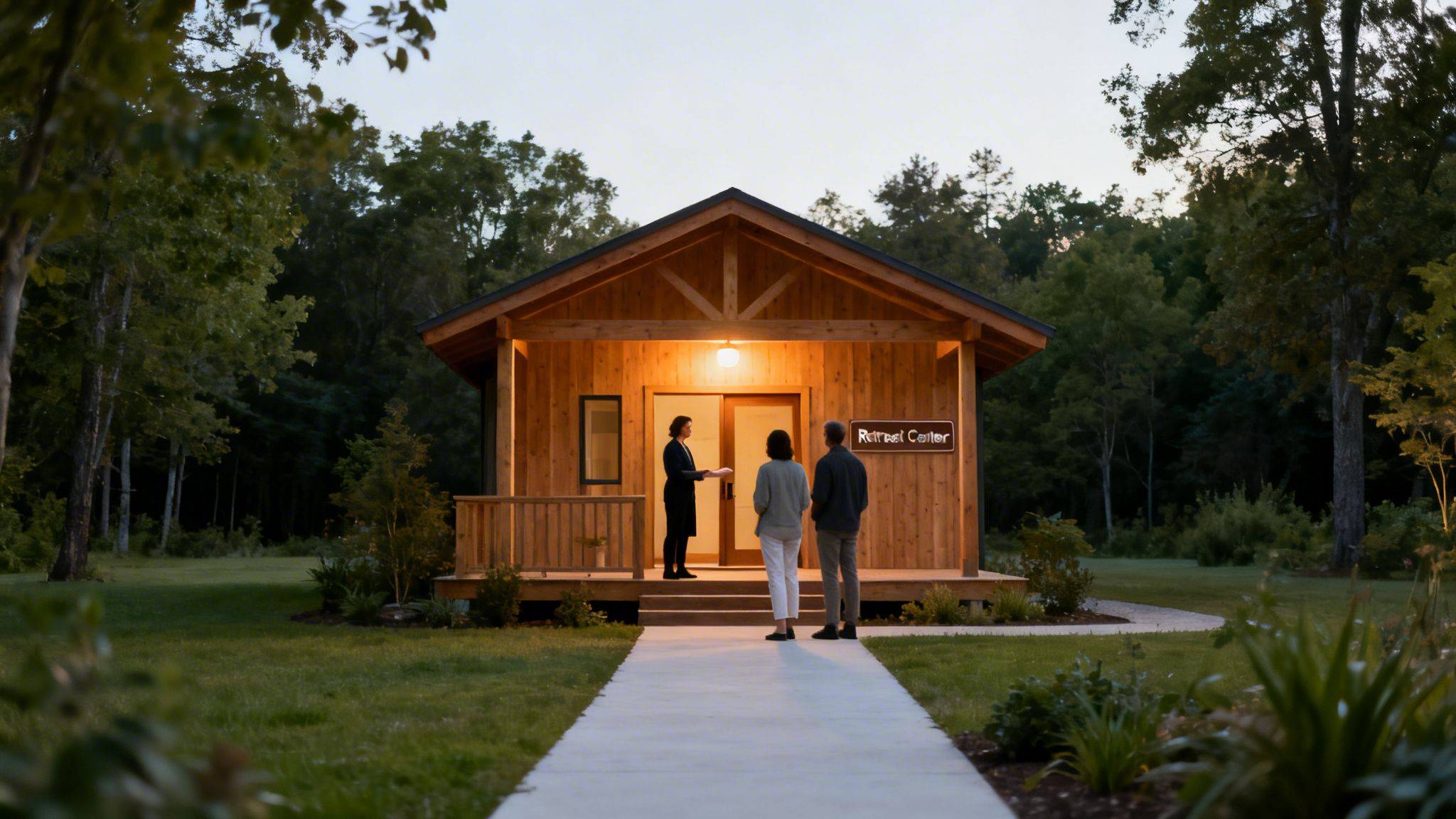
Nothing quiets the nerves quite like feeling genuinely safe. When you’re choosing a place for your Ayahuasca journey, the container you select is every bit as important as the medicine itself. A safe, structured, and supportive setting is the non-negotiable foundation for any profound healing to occur. This means looking past the beautiful photos and getting down to the core elements of a reputable retreat.
The facilitators, or shamans, are the anchors of the ceremony. You’re looking for people with deep experience, extensive training, and a clear, respectful lineage. They are the ones responsible for holding the energetic space, guiding you through difficult moments, and making sure everyone feels protected. A trustworthy center will be completely open about its facilitators’ backgrounds and philosophies.
Key Markers of a Reputable Retreat
Think of vetting a potential retreat center like an interview. You’re entrusting them with your physical, emotional, and spiritual well-being, so a safe center will welcome your questions and provide clear, confident answers.
Here are the absolute essentials to look for:
- Thorough Medical Screening: A responsible center will always require you to fill out a detailed medical questionnaire. This is the most critical safety step, and it should never, ever be skipped.
- Small Group Sizes: Smaller groups mean facilitators can give individual attention if someone needs it. An ideal ratio is typically one facilitator for every 5-10 participants.
- Experienced Facilitators: Look for leaders who have a long history with the medicine and can clearly explain their training and lineage.
- Integration Support: The journey doesn’t end when the last song is sung. A quality retreat will offer resources or group sessions to help you make sense of your experience afterward. A reputable center like the one you can learn about at ayahuasca.com/rythmia/ will always prioritize comprehensive medical safety and integration.
Some centers even have licensed medical staff on their team, which is a huge green flag showing they prioritize your well-being above all else. If you’re curious about the financial side of things, you can learn more about what to expect when budgeting for an Ayahuasca retreat.
Critical Health and Medication Contraindications
Empowering yourself with knowledge is key to making a safe and informed decision. Ayahuasca is a powerful substance that interacts profoundly with the body’s systems, and for some people, it poses very real health risks.
The main reason for this is a pharmacological component in the brew known as a Monoamine Oxidase Inhibitor (MAOI). MAOIs have strong, and sometimes dangerous, interactions with a whole range of medications and even certain foods.
“This is not a suggestion; it is a critical safety requirement. Certain medications, especially psychiatric ones, absolutely must be discontinued well in advance of a ceremony under a doctor’s supervision.”
The most dangerous interaction is with SSRI antidepressants (like Prozac, Zoloft, or Lexapro). When an MAOI and an SSRI are combined, it can trigger a potentially fatal condition called serotonin syndrome, where your body is flooded with a toxic level of serotonin. This risk is severe, and it’s the primary reason a thorough medical screening is mandatory.
Beyond medication, people with certain pre-existing health conditions should avoid Ayahuasca. These typically include:
- Cardiovascular Issues: Conditions like high blood pressure, heart disease, or a history of stroke can be dangerously intensified by the medicine.
- Severe Psychiatric Conditions: Anyone with a personal or immediate family history of psychosis, schizophrenia, or bipolar disorder is generally advised against participating due to the risk of destabilization.
Always be 100% honest on your medical forms. Hiding information puts you at serious risk. A reputable retreat will turn you away if your health history isn’t a good fit, and you should see this as an act of care and responsibility, not rejection.
Navigating the Experience with Surrender and Trust
You’ve done the work. You’ve followed the dieta, clarified your intentions, and handled all the logistics. Now comes the part that all that preparation was for: the moment you let go.
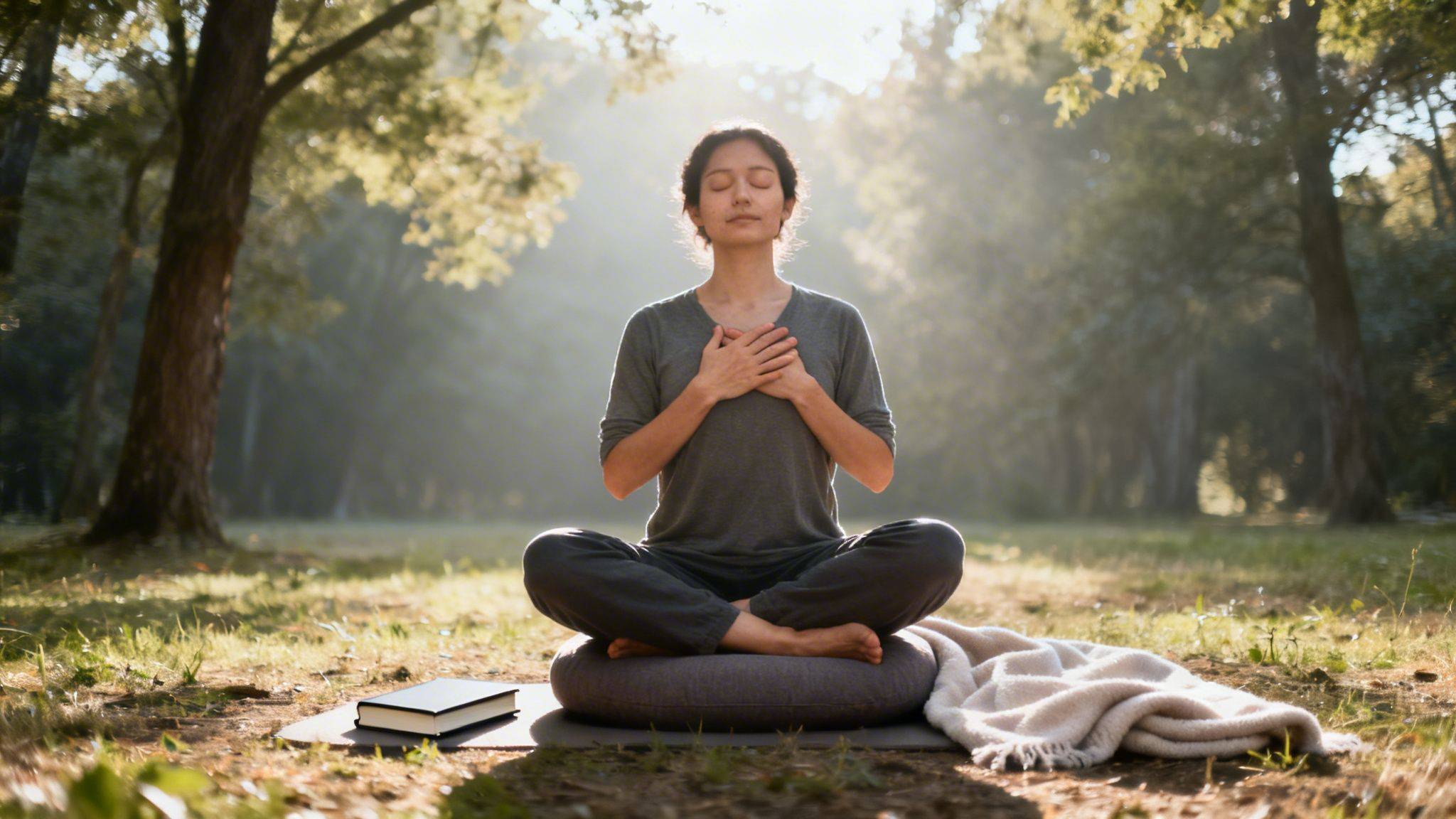
This is where the real practice begins. It’s a conscious choice to release your grip on the steering wheel and trust that the medicine knows the way. When the journey gets intense, and it often does, your instinct might be to resist or try to control it. The work here is to do the opposite. Lean in. Get curious.
Trust that whatever is coming up is exactly what needs your attention for healing to happen. Trust the facilitators to hold a safe space for you. And most importantly, trust that you have the strength to face whatever comes your way.
Grounding Tools for Challenging Moments
Even with total surrender, there will be moments that feel overwhelming. That’s perfectly normal. Having a few simple tools to come back to can make all the difference, acting as an anchor in the storm.
- Anchor to Your Breath: Your breath is always with you, a physical tie to the present moment. When your mind starts racing or fear bubbles up, just bring your focus back to the simple feeling of air entering and leaving your body. It’s a powerful, immediate way to ground yourself.
- Remember: This is Temporary: Like a storm passing through, the intensity won’t last forever. Gently reminding yourself, “This will pass, and I am safe,” can be a lifeline. The journey has a beginning, a middle, and an end.
- Allow the Feelings: Our natural reflex is to push away difficult emotions like grief, anger, or deep sadness. Try to soften around them instead. Allow them to be there without judgment. Often, these feelings just need to be seen and felt before they can move on.
While it’s wise to prepare for these moments, it’s also good to have perspective. The Global Ayahuasca Survey found that while challenging mental states were common, they were often gateways to mystical experiences and profound personal insights. Despite 14.2% of participants having prior anxiety and 19.7% having depression, their overall wellbeing scores improved significantly after their ceremonies. You can discover more insights about these Ayahuasca survey findings to see how challenges and benefits are often two sides of the same coin.
The Real Work Begins with Integration
The ceremony is the opening, not the finale. The visions, insights, and emotional releases are seeds planted in freshly tilled soil. The real, lasting change happens in the weeks and months that follow as you tend to those seeds. This process is called integration.
“Integration is the vital practice of translating the wisdom from your Ayahuasca journey into tangible, positive changes in your daily life. It is where healing becomes real and sustainable.”
Without a conscious effort to integrate, the profound clarity from a ceremony can fade like a dream you can’t quite remember. Integration is how you take the raw, powerful material from your journey and weave it into the fabric of your life, ensuring the healing takes root.
This is why choosing a retreat that emphasizes post-ceremony care is so critical. They provide a bridge from that sacred space back to your everyday world, equipping you with the tools and support to continue your journey.
Practical Steps for Effective Integration
Integration doesn’t need to be some monumental task. It’s about creating small, consistent pockets of time for reflection and taking actions that align with the new clarity you’ve found.
Here are a few powerful ways to start:
- Journaling: Get it all down on paper. Write about your experience without trying to make it perfect or logical. In the days and weeks that follow, keep writing. Explore how the themes from your ceremony show up in your daily life.
- Spending Time in Nature: The natural world is a powerful healer and a gentle place to process. A quiet walk in the woods or just sitting by a lake can help you stay connected to the organic, earthy wisdom of the experience.
- Sharing with Intention: Talk about your journey, but be selective. Share with a trusted friend, a therapist, or an integration coach who can listen without judgment. Putting your experience into words can help you make sense of it and feel less alone.
This post-ceremony time is a sacred and tender period. By committing to these simple practices, you honor the medicine, you honor the journey, and you give the seeds of insight the best possible chance to grow into real, meaningful change in your life.
Common Questions About the Ayahuasca Journey
Even after learning about the preparation and the ceremony, it’s completely normal for specific questions and underlying fears to pop up. When you’re feeling nervous about Ayahuasca, the details matter. This section gives you direct, clear answers to some of the most common concerns, helping you feel more grounded and prepared for what’s ahead.
What if I Have a Bad Trip?
In the world of Ayahuasca, you’ll rarely hear experienced people use the term “bad trip.” Instead, they call these moments a “challenging journey” or a “difficult teaching.” This represents a crucial shift in perspective. The most intense experiences are often the ones bringing old wounds, deep-seated fears, or uncomfortable truths to the surface so they can finally be seen and released.
You are never left to navigate these moments alone. A skilled facilitator is there specifically to support you if things feel overwhelming, reminding you to breathe and surrender to the process rather than fighting it. Trust that the medicine is showing you exactly what you need to heal. It’s amazing how often people express immense gratitude after moving through a difficult journey, seeing it as the turning point they were looking for.
How Many Ceremonies Should I Do?
For your first retreat, it’s often recommended to sit in at least two or three ceremonies. The first night can feel like an introduction, a deep cleanse where the medicine gets to know your system, and you get to know the medicine. This initial connection often paves the way for deeper, more focused work on the following nights.
“The number of ceremonies is less important than the quality of your preparation and your commitment to integrating the lessons afterward. One powerful, well-integrated journey is more impactful than several that are not processed.”
Ultimately, there is no magic number. Some people find exactly what they were seeking in a single retreat. Others feel the call to return at different times in their lives for continued growth. The best advice is to trust your intuition and focus on the quality of your experience over the quantity.
Will I Lose Control or Do Something Embarrassing?
This is easily one of the most common fears, especially for people who are nervous about Ayahuasca. While you will enter a powerful, non-ordinary state of consciousness, a complete loss of control is incredibly rare. For the vast majority of the time, you remain perfectly aware of who you are and where you are. The journey is almost entirely an internal one.
You might cry, laugh uncontrollably, or make other expressive sounds, but these are all welcome and understood as part of the healing process. Inside a ceremonial container, there is a deep, unspoken respect and a complete absence of judgment. Everyone is there for their own profound work, and emotional expression is seen for what it is, a healthy and necessary release. Your physical actions are usually minimal, and the facilitators are always present to ensure the space remains safe for everyone.
Can Ayahuasca Help with Anxiety or Depression?
A growing body of research, along with countless personal stories, points to Ayahuasca being a powerful catalyst for healing from anxiety, depression, and PTSD. The experience can help you access the very roots of your emotional pain, offering a completely new perspective on old patterns and wounds that your conscious mind couldn’t reach.
However, it is crucial to understand that Ayahuasca is not a magic pill. It’s a powerful tool, but lasting change requires your active participation. This means dedicated preparation beforehand and, most importantly, serious integration work after you get home. It is also absolutely vital to be honest during your medical screening. Certain medications, especially antidepressants like SSRIs, have dangerous interactions with Ayahuasca. Approaching this as one part of a larger healing process, not a standalone cure, is the key to its effectiveness.
Disclaimer: The information provided on Ayahuasca.com is for educational purposes only and is not intended as medical advice, diagnosis, or treatment. Ayahuasca is a powerful traditional Amazonian medicine and may not be suitable for everyone. Always consult with a qualified healthcare professional before making decisions related to health, mental well-being, medications, or the use of Ayahuasca.