
Mescaline is a naturally occurring psychedelic found in a handful of specific cacti, most famously the peyote and San Pedro varieties. It is known for producing profound shifts in consciousness and perception, but what really sets it apart is its history. This is not a new discovery; it is one of the oldest psychedelics known to humankind, holding a deep and sacred role in indigenous spiritual traditions.
An Ancient Medicine for the Modern Mind
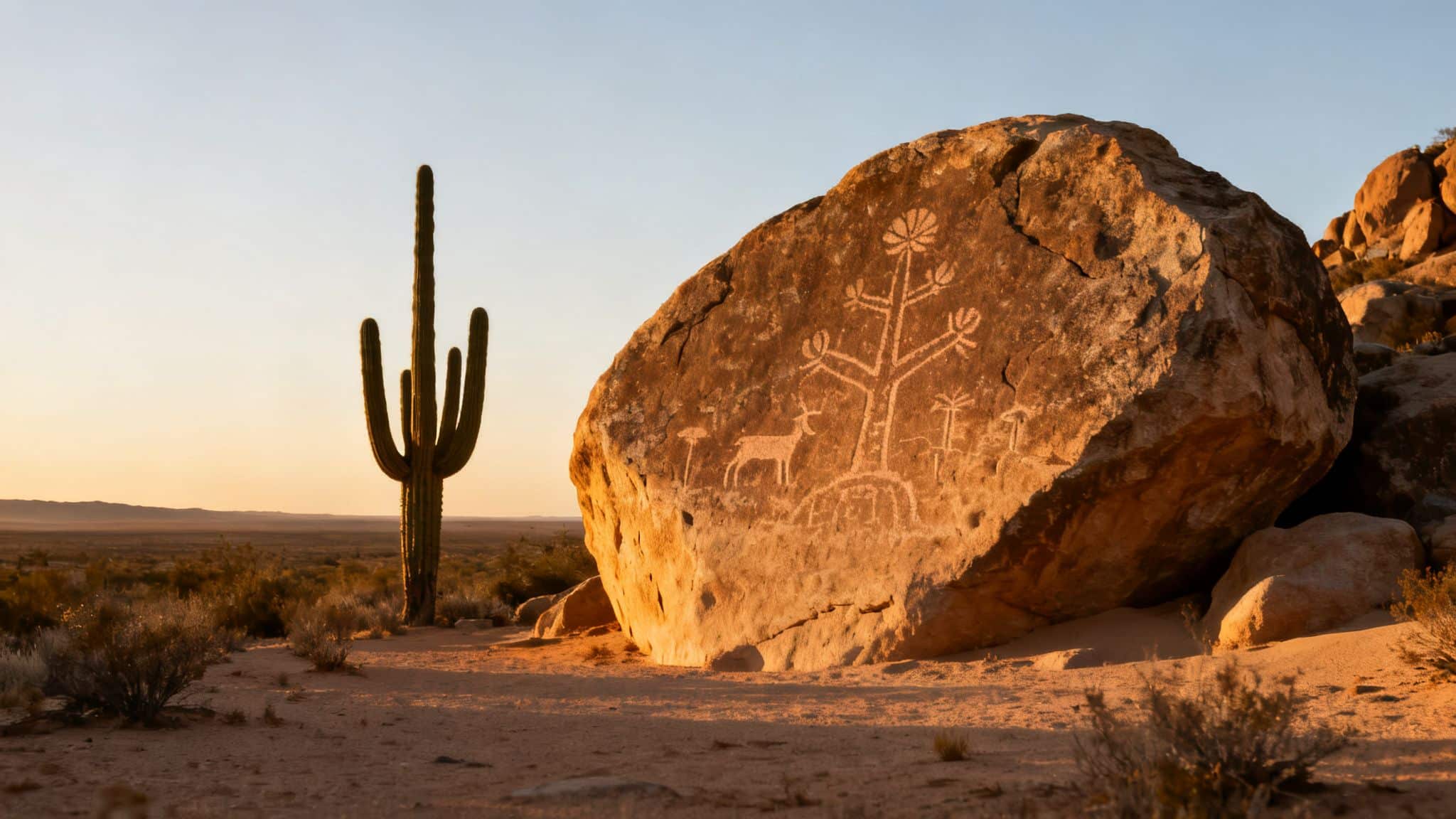
Welcome to the world of mescaline. Long before it was synthesized in a lab, it was, and still is, a revered teacher and a powerful tool for healing, used with deep intention in ceremonies that connect people to the sacred. Its story is inextricably tied to the cacti that produce it, plants that have been at the very heart of spiritual life for indigenous peoples for millennia.
In this guide, we’ll trace the long and winding path of mescaline. We’ll start with its ancient ceremonial use in the Americas and follow its thread into contemporary thought and today’s psychedelic renaissance. By understanding where it comes from, you can gain a much richer appreciation for its unique character, especially when comparing it to other powerful plant medicines like Ayahuasca.
A Legacy Thousands of Years Old
The human relationship with mescaline is truly ancient. We’re talking about one of the most historically significant psychedelics on the planet. Archaeological finds from the Shumla Caves in Texas have unearthed peyote “buttons” that were radiocarbon-dated to around 4000 BCE. That is concrete proof of ceremonial use stretching back over six thousand years.
This incredible lineage shows a sustained tradition of spiritual exploration that easily rivals the long history of Ayahuasca use in Amazonian cultures. For a deeper dive, you can read the full history of mescaline and its discovery for more details.
“Mescaline is more than a molecule; it is a key that unlocks a history of human spirituality, connecting modern seekers to ancient traditions of healing and introspection. Understanding its sacred context is the first step toward respectful and meaningful exploration.”
This guide is for anyone curious about this remarkable compound, whether you’re a researcher, a wellness professional, or simply a seeker looking for genuine insight. We’ll break down the different facets of mescaline into a clear and accessible resource.
Here’s a look at what we’ll cover:
- The Sacred Cacti: Getting to know the distinct characteristics of Peyote and San Pedro.
- The Mescaline Experience: A look at what to expect from a journey, from its effects to its duration.
- Safety and Guidance: Practical advice for harm reduction and responsible engagement.
- Cultural and Legal Context: Understanding its complicated role in society today.
By the time you’re done, you’ll have a solid foundation for understanding mescaline not just as a chemical, but as a cultural and spiritual phenomenon.
Exploring the Sacred Cacti: Peyote and San Pedro
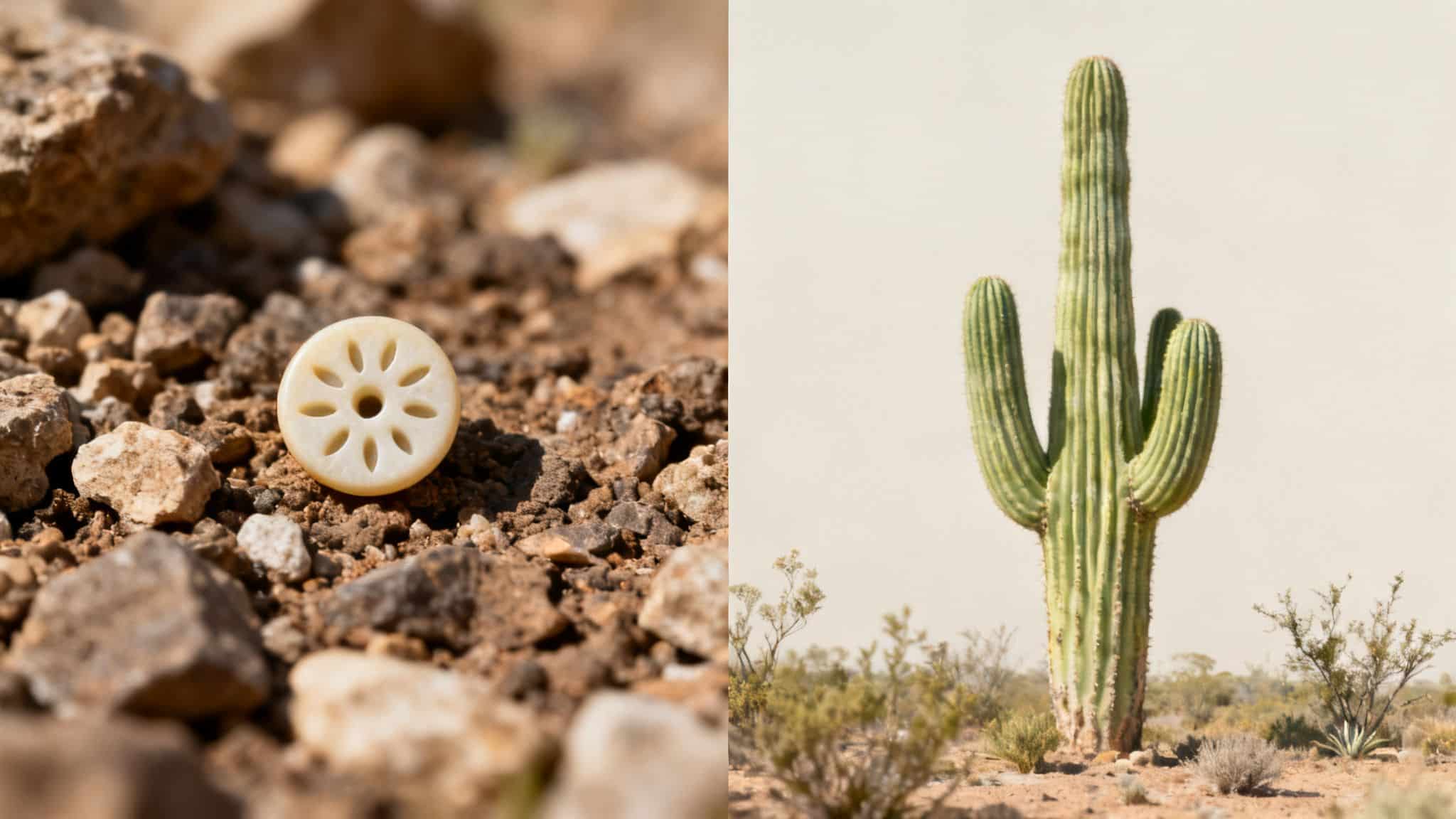
When we talk about mescaline, we’re really talking about two profound botanical teachers: the Peyote cactus and the San Pedro cactus. Though they share the same core psychoactive compound, these are two very different plants with their own looks, histories, and ceremonial legacies. To truly understand mescaline, you have to appreciate the distinct traditions that have grown around each one.
Peyote (Lophophora williamsii) is a small, humble-looking cactus that grows slowly in the harsh Chihuahuan Desert of Mexico and parts of Texas. It is spineless and stays low to the ground, with only a small, button-like crown visible above the soil. These “buttons” are what people harvest for sacred ceremonies that stretch back thousands of years.
In stark contrast, the San Pedro cactus (Echinopsis pachanoi) is a towering, fast-growing columnar cactus native to the Andean mountains of Peru and Ecuador. It is visually striking, growing several meters tall with deep ribs and prominent spines. It has its own ancient shamanic history, where it is known by its traditional name, Huachuma.
Peyote: A Revered Spiritual Teacher
For countless Indigenous communities, Peyote is not just a plant; it is a sacred medicine, a spiritual ally, and a direct link to the divine. Its use is at the very heart of spiritual life for groups like the Huichol (Wixárika) people of Mexico and the Native American Church in the United States and Canada.
In these ceremonies, Peyote is treated with the utmost respect and clear intention. A group might gather in a tipi for a night-long ceremony guided by a spiritual leader, or “Roadman,” filled with prayer, traditional songs, and the rhythm of a water drum. It is often described as a deeply introspective journey that can be physically taxing, a powerful teacher that brings truths to the surface and opens the door to profound healing.
“For members of the Native American Church, Peyote is not a drug. It is a sacrament, a holy medicine that facilitates communication with the Great Spirit. This sacred context shapes the entire experience, from how the medicine is prepared to the communal integration that happens afterward.”
This ceremonial structure acts as a vital container for the intense psychological and spiritual work Peyote demands. The entire purpose is healing, connection, and spiritual clarity, a purpose that has been carefully passed down for generations.
San Pedro: The Heart-Opening Grandfather
Known as Huachuma in its native Andes, San Pedro offers a different, though no less profound, journey. Where Peyote is often felt as an intense, inward-looking teacher, San Pedro is widely described as a gentler, more heart-opening guide. Its ceremonies are often held during the day, designed to connect people with the vibrant beauty of the natural world around them.
For centuries, shamanic traditions in Peru and Ecuador have worked with San Pedro to diagnose and heal illnesses, whether spiritual or physical. It is often viewed as a grandfatherly spirit that helps people quiet their egos, connect with their deeper emotions, and feel a powerful sense of unity with all of life.
The feeling of a San Pedro ceremony tends to be more expansive and outwardly focused. Participants might go on a walk through nature, sit together around a fire, or take part in healing rituals led by a traditional healer, or curandero. The work often centers on clearing emotional blockages and fostering compassion, making it an incredible tool for healing the heart.
Each of these cacti offers a unique sacred path to the lessons of mescaline.
What to Expect from a Mescaline Journey
If you’re considering a mescaline journey, know that you’re signing up for a full-day commitment. The experience typically lasts a good 8 to 12 hours, considerably longer than something like psilocybin, and it unfolds in distinct, manageable phases. It’s a slow, gentle ride, not a sudden rocket launch into another dimension.
The first stirrings usually begin an hour or two after you’ve taken it. This initial phase is often very physical. A lot of people, especially those using natural cacti, feel a wave of nausea. It is a common and usually temporary part of the process. As the effects slowly build, you’ll notice the world around you starting to feel… different. It is a subtle shift in perception, a growing sense of anticipation for what’s about to unfold.
The Peak Experience
After that initial climb, you’ll reach the peak, which can last for a solid four to six hours. This is where mescaline really shows you what it can do. It is working primarily on the brain’s serotonin system, specifically the 5-HT2A receptor, which is what throws the doors of perception wide open.
Visually, this is where things get interesting. Many people see incredibly vibrant and intricate patterns. We’re not talking about simple wavy lines; think complex geometric latticework, shimmering fields of color, and flowing textures that seem to drape themselves over every surface. Unlike the deeply immersive, narrative-driven visions of an Ayahuasca journey, mescaline’s visuals are often described as being more external, bright, clear, and almost architectural.
“A mescaline journey often feels like a slow, gentle unfolding. It provides ample time to explore altered states of consciousness without the sudden intensity that can accompany other psychedelics, allowing for a more observational and contemplative experience.”
Alongside this visual spectacle, your own mind and emotions will be going through some major shifts. The constant chatter of your internal monologue might fade into the background, replaced by a way of being that feels more intuitive and heart-centered. It is incredibly common to feel a profound sense of connection, not just to yourself, but to the world and everything in it.
The Full Spectrum of Effects
A mescaline experience is a whole-body, whole-mind affair. It can touch everything from how you see the world to how you see yourself. Knowing what’s possible can help you get a clearer picture of the journey ahead.
- Emotional Release: Deep-seated emotions often come to the surface. This can be an incredible opportunity for release and healing, whether it’s experiencing moments of pure, unadulterated joy or finally facing old, difficult memories.
- Cognitive Shifts: Your usual ways of thinking can simply dissolve, making room for fresh perspectives and creative breakthroughs. Problems that seemed unsolvable might suddenly look completely different.
- Enhanced Senses: Your senses will likely feel turned up to eleven. Sounds become richer, colors more brilliant, and textures more fascinating. Some people even report synesthesia, a blending of the senses where you might “see” a sound or “hear” a color.
- Connection to Nature: This is one of the most classic and widely reported effects, a powerful, almost overwhelming feeling of being one with the natural world. A simple flower can become the most beautiful thing you’ve ever seen.
These are the kinds of effects that explain why mescaline has been a spiritual cornerstone for thousands of years. Yet, despite its long history, it remains one of the less common classic psychedelics. A 2016 national survey estimated that around 8 million people in the U.S. had tried it. More recently, a global survey found that 74% of mescaline users take it just once a year or even less, often for spiritual reasons or to connect with nature, motivations very similar to those seeking Ayahuasca for healing. You can find more on these usage patterns in recent research on PMC.
In the end, every journey is deeply personal. But the gentle, heart-opening quality of mescaline, particularly from San Pedro, often leaves people with a lasting sense of peace, clarity, and a renewed appreciation for how connected everything truly is.
Mescaline vs. Ayahuasca: Comparing Two Powerful Plant Teachers
When people first explore the world of plant medicine, Ayahuasca is often the name they know best. But to truly understand mescaline, it’s helpful to see it not just as another psychedelic, but as its own unique teacher with a distinct personality. Both of these sacred medicines can open the door to profound healing and insight, but they take you there on very different paths.
One of the most immediate differences is the visionary experience itself. Ayahuasca is famous for its deeply immersive, story-like visions. People often describe being transported to other realities, engaging with entities, and witnessing complex narratives unfold behind their closed eyes.
Mescaline, on the other hand, tends to paint its visions onto the world around you. The experience is often more external, characterized by vibrant geometric patterns, shimmering auras around objects, and a sense of the very air alive with kaleidoscopic light and texture.
The journey with any psychedelic has common phases, from the initial idea and preparation through the experience and into integration. This flowchart maps out what that process can look like.
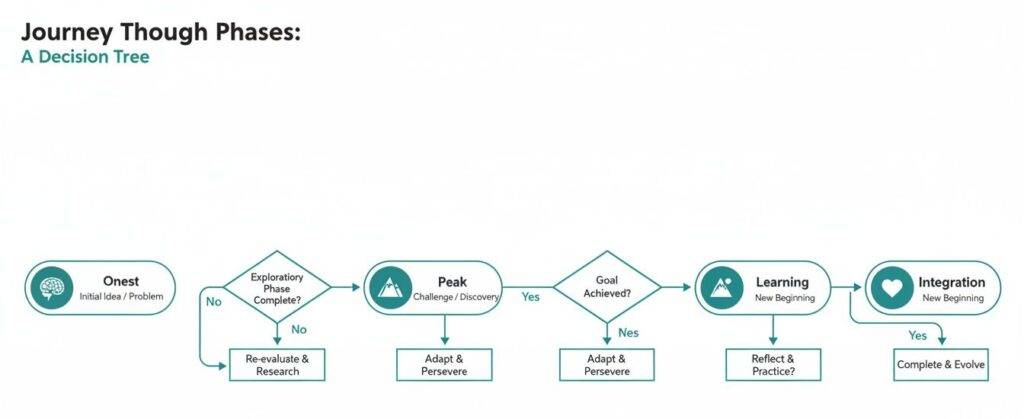
While the roadmap might look similar, the actual quality of the journey, the terrain you cover in each phase, is what truly sets these two teachers apart.
Emotional and Physical Differences
The emotional tone of each experience couldn’t be more different. Ayahuasca is often seen as a powerful, sometimes demanding, teacher. The ceremonies can involve intense purging, both physically and emotionally, which is traditionally viewed as a deep cleansing of the spirit. It can be a tough-love experience, but one that’s considered essential to its healing power.
San Pedro, the cactus that gives us mescaline, usually offers a much gentler, more heart-centered journey. Many describe its energy as that of a compassionate grandfather, guiding you toward feelings of profound connection, empathy, and unity with all of life. The physical toll is typically less demanding, and ceremonies are often held outdoors during the day, encouraging a direct and harmonious relationship with nature.
To dig deeper into how different plant medicines stack up, you can read about how Ayahuasca compares to Iboga and Ibogaine in our detailed article.
Comparing the Mescaline and Ayahuasca Experience
To help clarify these distinctions, the table below offers a side-by-side look at the key characteristics you might expect from a traditional San Pedro ceremony versus an Ayahuasca ceremony. It’s a way to quickly grasp their very different natures.
| Characteristic | Mescaline (from San Pedro) | Ayahuasca |
|---|---|---|
| Primary Feeling | Heart-opening, gentle, connective | Purgative, introspective, intense |
| Visual Nature | Bright, geometric patterns, external | Immersive, narrative visions, internal |
| Ceremonial Setting | Often outdoors, daytime, communal | Often indoors, nighttime, contained |
| Physical Intensity | Moderate, nausea is possible | High, physical purging is common |
| Duration of Peak | 4-6 hours, part of an 8-12 hour total | 2-4 hours, part of a 4-6 hour total |
In the end, neither path is better, they are simply different tools for different kinds of work. Choosing one over the other really comes down to your personal intentions and what you feel ready for. One might take you deep into your shadows to clean house, while the other might open your heart to the beauty that’s been there all along. Each offers a key to a different door.
Practical Guidance for Safety and Harm Reduction
Stepping into a mescaline experience responsibly means doing your homework. Careful preparation and a healthy dose of respect are your best tools for ensuring a journey is both safe and deeply meaningful.
This is not something to take lightly. The key is to create a supportive container for yourself, one that minimizes risks while giving you the freedom to explore what comes up.
Understanding Mescaline Dosage
Figuring out the right dose is one of the trickiest parts, mostly because mescaline comes in a few different forms. The potency between a carefully synthesized powder and a piece of dried cactus can be worlds apart.
For synthetic mescaline sulfate, a typical active dose falls somewhere between 200 and 400 milligrams. But when you’re working with a dried cactus like San Pedro, things get a lot less precise. A common starting point might be 20 to 50 grams of dried powder, but the actual mescaline content in that plant material can swing wildly depending on its age, how it was grown, and even how it was prepared.
“The cardinal rule of harm reduction is simple: start low and go slow. You can always explore a higher dose another time, but you can never undo taking too much once the journey is underway. This is especially true when you’re dealing with natural cacti of unknown strength.”
Because of this variability, it’s always wise to start on the lower end of the dosage spectrum. This gives you a chance to see how your own mind and body react to the medicine without getting thrown into the deep end.
The Importance of Set and Setting
In the world of psychedelics, the concepts of “set and setting” are everything. They are probably the two biggest factors, outside of the substance itself, that will color the entire character of your experience.
- Set (Your Mindset): This is all about your internal landscape. Think of it as your mood, your intentions for the journey, your expectations, and any personal baggage you’re carrying. Going in with a calm, open, and respectful attitude can completely change the game.
- Setting (Your Environment): This is your physical space. A safe, comfortable, and private location is non-negotiable. Whether it’s your own quiet home, a secluded spot in nature, or a well-held ceremonial space, feeling secure is what allows you to let go.
A chaotic or public environment is a recipe for anxiety and paranoia. A peaceful one, on the other hand, provides the foundation for a positive and insightful journey. The same principles apply here as when preparing for an Ayahuasca journey, as outlined in this comprehensive guide.
Managing Physical Side Effects and Contraindications
A mescaline journey is a full-body experience, not just a mental one. One of the most common physical hurdles, especially when consuming Peyote or San Pedro tea, is a wave of nausea as the effects begin to come on.
Tips for Managing Nausea
- Fasting: It is best to avoid heavy meals for at least 6-8 hours beforehand. Eating clean and light in the days leading up can also make a big difference.
- Ginger: Have some ginger tea on hand. Sipping it before you begin and during the initial onset can be incredibly effective for calming an uneasy stomach.
- Mindful Breathing: When you feel the nausea rising, don’t fight it. Instead, focus on slow, deep breaths. Simply acknowledging the feeling without resisting it often helps it pass much more quickly.
It is also absolutely critical to be aware of contraindications. Anyone with a personal or family history of psychosis or serious heart conditions should approach with extreme caution. Mescaline can also interact with medications, particularly SSRIs and MAOIs, so if you’re on any prescription drugs, thorough research and a conversation with a knowledgeable professional are essential first steps.
Where Mescaline Stands Legally and Medically
Trying to understand mescaline’s legal status can feel like navigating a maze. It is a world of contradictions. In the United States and many other countries, pure, synthesized mescaline is a Schedule I substance. This puts it in the same highly restrictive category as heroin and LSD, meaning it is officially considered to have a high potential for abuse and no accepted medical use.
But that is not the whole story. The law often treats the cacti that naturally produce mescaline very differently than the isolated chemical itself, creating some significant and fascinating exceptions.
The Sacred, The Legal, and The Grey Areas
In the United States, the most important exception belongs to the Native American Church. Federal law explicitly protects their right to use peyote as a central part of their religious ceremonies. This is not just a loophole; it is a legal acknowledgment of a tradition that stretches back thousands of years, treating the cactus as sacred medicine, not a recreational drug.
The San Pedro cactus often falls into a legal grey area. In many places, you can legally buy and grow it as an ornamental plant. The line gets crossed, however, when you process it with the intention of consuming it for its psychoactive properties. This creates a strange paradox where the plant is perfectly legal on your windowsill, but using it as a psychedelic is not.
“The legal tangle around mescaline highlights a global tension: modern drug laws clashing with ancient spiritual practices. While authorities may label the molecule as dangerous, exemptions for religious use show a grudging respect for its deep historical importance.”
This is a very similar dynamic to the legal battles fought over Ayahuasca. In many countries, religious freedom arguments have carved out legal space for its ceremonial use, even while its active ingredients remain otherwise prohibited. You can explore the history of these scientific explorations in our review of past and current research on Ayahuasca.
A Renewed Look at Therapeutic Promise
Beyond all the legal wrangling, interest in mescaline’s therapeutic potential is making a serious comeback. This is not a new idea at all. Back in the 1950s and 60s, researchers were exploring its use for treating conditions like alcoholism and depression, but the Controlled Substances Act slammed the brakes on most of that work.
Now, with the broader psychedelic renaissance in full swing, scientists are starting to give mescaline a second look. Its famously gentle, empathetic, and heart-opening effects make it an especially compelling candidate for psychedelic-assisted therapy. Many believe it holds promise for:
- Depression: By helping people break out of rigid thought patterns and experience emotional release.
- Anxiety: By fostering a profound sense of connection that can reduce feelings of isolation.
- PTSD: By creating a safe and gentle headspace to process traumatic memories without being overwhelmed.
Mescaline’s story has shaped the entire psychedelic field. Aldous Huxley’s 1954 book, The Doors of Perception, thrust it into the cultural spotlight, sparking widespread intellectual curiosity. But just as the field was taking off, researchers began favoring LSD. Why? Purely for practical reasons. LSD is thousands of times more potent by weight, making it far easier and cheaper to handle in a lab. You can discover more insights about the history of mescaline and the outsized impact it has had on our culture.
Your Mescaline Questions, Answered
Even after covering the basics, a few practical questions always seem to pop up. Let’s tackle some of the most common ones to help you get a clearer picture of what a mescaline experience actually entails.
Think of this as a quick-reference guide to round out your understanding.
How Long Does a Mescaline Experience Typically Last?
A journey with mescaline is a serious time commitment, so plan accordingly. From start to finish, you’re looking at an experience that lasts anywhere from 8 to 12 hours.
You’ll usually start to feel the first effects within an hour or two. This builds into a peak that can hold steady for a solid four to six hours, before you begin a slow, gentle descent back to baseline. It is a marathon, not a sprint, especially when you compare it to psilocybin mushrooms (4-6 hours) or the DMT in an Ayahuasca brew (4-6 hours). This extended duration is a huge factor in planning a safe, supportive, and uninterrupted setting.
Is Nausea a Common Side Effect of Mescaline Cacti?
Yes, it absolutely is. Nausea, and sometimes vomiting, is a very common part of the process, particularly in the beginning stages of the journey. This is especially true when you’re consuming the raw plant material from Peyote or San Pedro.
The reaction is not just from the mescaline; it is caused by the whole symphony of alkaloids present in the cactus. Interestingly, many indigenous traditions don’t view this as a “side effect” at all. Instead, it is considered a vital part of the experience, a deep physical and energetic “purge” or cleansing. This is a lot like the concept of “la purga,” which is a well-known and often expected part of Ayahuasca ceremonies.
“To help ease the physical intensity, it’s a good idea to fast for at least a few hours beforehand. Preparing the cactus as a tea or a fine powder, rather than eating raw chunks, can also make a big difference in reducing stomach discomfort.”
Giving your body a break from digestion lets it focus its energy on processing the medicine.
What Is the Difference Between Synthetic and Cactus Mescaline?
The main difference comes down to the chemical profile and how that shapes the overall experience.
- Synthetic Mescaline: This is just the mescaline molecule (usually mescaline sulfate or hydrochloride) isolated and created in a lab. It is pure, with no other active compounds along for the ride.
- Cactus-Derived Mescaline: Cacti like Peyote and San Pedro offer mescaline as part of a much bigger package. They contain a whole host of other alkaloids that work together, creating what many call an “entourage effect.”
Many people find the journey with the sacred cacti feels more grounded, holistic, and spiritually profound. This richer quality is often chalked up to the synergy of all the plant’s compounds working in harmony. The synthetic version, by contrast, is often described as feeling “cleaner” or more purely mental, which some feel lacks the organic warmth and depth of the plant itself. The choice really boils down to personal preference, accessibility, and your own philosophy on plant medicine.
Disclaimer: The information provided on Ayahuasca.com is for educational purposes only and is not intended as medical advice, diagnosis, or treatment. Ayahuasca is a powerful traditional Amazonian medicine and may not be suitable for everyone. Always consult with a qualified healthcare professional before making decisions related to health, mental well-being, medications, or the use of Ayahuasca.