
Psychedelic therapy isn’t just about taking a substance; it’s a carefully structured and professionally supervised approach to healing. This method pairs the profound psychological effects of psychedelic compounds with dedicated therapeutic support to tackle deep-rooted mental health issues like PTSD, depression, and anxiety.
The goal of psychedelic therapy isn’t the psychedelic experience itself, but what you do with it. The entire psychedelic therapy process is designed to help you gain powerful insights that can lead to real, lasting change.
What Is Psychedelic Therapy
Think of your mind as a landscape, etched with familiar paths you walk every day. These are your typical patterns of thinking, feeling, and behaving. But what if some of those paths lead straight to a place of anxiety, depression, or trauma?
Psychedelic therapy offers a chance to see that landscape from a completely different perspective. With a therapist acting as your experienced guide, the psychedelic substance can help you step off those old, worn-out trails and discover new, healthier ways of navigating your inner world.
This is a world away from recreational use. Psychedelic therapy is a focused, intentional journey grounded in safety, trust, and professional guidance, all aimed at helping you explore challenging emotional territory and find your way back to solid ground.
The Three Core Phases of the Journey
The power of psychedelic therapy lies in its deliberate, multi-stage structure. The journey starts long before the psychedelic therapy session and continues for weeks or even months after. This framework is what helps turn a powerful experience into meaningful, everyday change.
Let’s break down the essential stages of this psychedelic therapy process.
The Three Phases of Psychedelic Therapy
This table outlines the critical stages of a structured psychedelic therapy protocol. Each phase has a distinct purpose and set of activities designed to maximize safety and therapeutic benefit.
| Phase | Objective | Key Activities |
|---|---|---|
| Preparation | To build a trusting therapeutic relationship, establish clear intentions, and prepare the individual for the experience. | – Multiple therapy sessions to build rapport – Discussing personal history and goals – Education on what to expect – Developing coping strategies for challenging moments |
| The Session | To facilitate a deep, introspective experience within a safe and supportive environment. | – Administration of the psychedelic substance in a controlled setting – Non-directive support from one or two therapists – Use of music and a comfortable physical space (eye shades, etc.) – Ensuring physical and emotional safety throughout |
| Integration | To process, understand, and incorporate the insights from the session into daily life, leading to lasting change. | – Follow-up therapy sessions to discuss the experience – Journaling, meditation, or other reflective practices – Making concrete behavioral changes based on new insights – Connecting the experience to therapeutic goals |
As you can see, psychedelic therapy is a comprehensive arc, not a single event. The work you do before and after the session is just as important as the experience itself.
“This structured, three-part psychedelic therapy process is what distinguishes clinical psychedelic therapy from any other use. The therapeutic container provided by the guide and the intentional work done before and after are what make deep healing possible.“
Interestingly, many traditional healing practices have always recognized this. Indigenous ceremonies centered around plant medicines like Ayahuasca, for example, are built on a foundation of intention, guidance, and community support. If you’re curious about this particular tradition, you can learn more in our guide providing an introduction to Ayahuasca.
Understanding these core principles of psychedelic therapy, preparation, a supported session, and integration, is key to seeing how this approach aims for profound healing. Now, let’s look at the specific psychedelic therapy models being used in clinics and research today.
Exploring Different Therapeutic Models
Psychedelic therapy isn’t a one-size-fits-all approach. Think of psychedelic therapy less like a single treatment and more like a whole toolbox, filled with different substances and therapeutic frameworks, each suited for different intentions and needs. The choice of substance is a big deal, it fundamentally shapes the entire psychedelic therapy process, creating a spectrum that runs from highly structured clinical sessions to deeply rooted ceremonial traditions.
Getting a handle on this variety is the first step to understanding the field’s real potential. Just as a cardiologist chooses a specific medication for a particular heart condition, a therapist or guide selects a psychedelic compound based on its unique effects and the person’s therapeutic goals. The setting, the duration, and the kind of support provided all shift to match the medicine being used in psychedelic therapy.
Clinical Approaches with Modern Compounds
In the world of clinical research and emerging legal treatments, specific compounds are carefully paired with structured psychotherapy protocols. These psychedelic therapy models are typically designed to treat diagnosed mental health conditions in a controlled, one-on-one environment.
MDMA-Assisted Therapy for PTSD: This isn’t a single “take this and feel better” session. The model involves a handful of intensive, day-long sessions with MDMA, but they’re bookended by numerous traditional therapy appointments without the drug. MDMA works by lowering fear and defensiveness, which allows a person to revisit and process traumatic memories without feeling completely overwhelmed. The therapist is there to create a safe space and offer gentle guidance, not to lead the way.
Psilocybin for Depression and Anxiety: Psilocybin, the compound that makes “magic mushrooms” magic, is showing incredible promise for conditions like treatment-resistant depression and the profound anxiety that can come with a terminal illness. These psychedelic therapy sessions happen in a calm, comfortable room, usually with curated music and eye shades to help the person turn their attention inward. The goal is to open the door to profound, sometimes mystical, experiences that can fundamentally shift a person’s perspective and help forge new, healthier neural pathways.
Ketamine-Assisted Psychotherapy (KAP): Ketamine isn’t a classic psychedelic, but its therapeutic use has exploded. KAP sessions are much shorter and can happen more often. The dissociative effects of ketamine can provide a powerful, temporary break from the crushing weight of severe depression, creating a valuable window of neuroplasticity where deeper therapeutic work becomes possible in the hours and days that follow.
What all these psychedelic therapy models have in common is a huge emphasis on the therapeutic alliance (the trust between you and the therapist), extensive preparation beforehand, and dedicated integration support afterward. The real work is translating the powerful insights from the session into lasting, positive change in your daily life.
No matter the substance, psychedelic therapy follows a deliberate, multi-stage structure. The psychedelic experience itself is just one piece of a much larger puzzle.
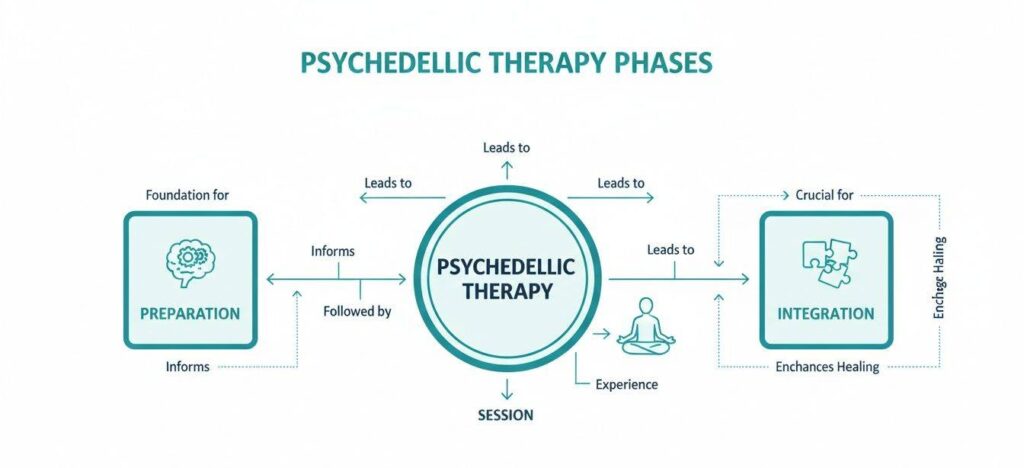
As you can see, the session is nestled right in the middle. The prep work you do before and the integration you commit to after are what truly make the experience a psychedelic therapy process.
Traditional Plant Medicine and Ceremonial Contexts
Step outside the clinic, and you’ll find that many of these psychedelic therapy practices have deep roots in ancient indigenous traditions that have used plant medicines for millennia. These models often happen in a group or community setting, placing as much importance on spiritual and emotional healing as on psychological well-being.
The most well-known example is Ayahuasca, a powerful psychoactive brew from the Amazon basin.
“The therapeutic model for Ayahuasca is a world away from a one-on-one clinical session. It’s a collective, ceremonial experience steeped in shamanic tradition, where healing is understood to happen on spiritual, energetic, and community levels all at once.“
An Ayahuasca ceremony is almost always led by an experienced shaman or facilitator, a curandero, who guides the group through a long night using traditional songs called icaros. The experience is profoundly communal; the shared energy in the room becomes a core part of the healing process. It’s common for participants to feel a deep, revitalizing connection to nature, the cosmos, and the other people in the circle.
Here, the focus isn’t on a specific psychological diagnosis. It’s more about a holistic cleansing of old emotional wounds, gaining spiritual clarity, and finding your way back to your authentic self. The integration that follows often involves sharing your journey with the group and getting guidance from the shaman on how to weave the ceremony’s lessons into your life. This communal safety net offers a powerful support system that’s very different from the individual focus of Western psychotherapy.
From the precise, targeted approach of MDMA for trauma to the expansive, spiritual journey of an Ayahuasca ceremony, psychedelic therapy offers a rich and varied landscape of healing paths. The “best” psychedelic therapy approach is entirely dependent on a person’s history, their specific needs, and what they’re ultimately hoping to find.
The Science Behind Psychedelic Healing
While personal stories of healing have always been compelling, what’s really pushing psychedelic therapy forward is the hard science. For a long time, we only had anecdotal reports suggesting these compounds could do incredible things. Now, we have rigorous clinical trials backing up those claims, moving this conversation out of the counterculture and into the world of mainstream psychiatric research.
This isn’t just about feeling better for a day or two. The data show that psychedelic therapy can produce significant, lasting improvements for some of the toughest mental health conditions out there. The results from controlled studies aren’t just promising, they’re often outperforming existing treatments, offering real hope where it was once scarce.
Landmark Results in PTSD Treatment
One of the most exciting areas of research is the use of MDMA-assisted therapy for post-traumatic stress disorder (PTSD). Anyone who has dealt with PTSD knows how stubborn it can be, often resisting conventional treatments. This is where MDMA comes in, helping individuals revisit and process traumatic memories without the overwhelming fear and anxiety that usually locks them in place.
The numbers from recent trials are pretty staggering. In a phase 3 trial for moderate to severe PTSD, an incredible 86.5% of participants who received MDMA with therapy showed a positive response, compared to 69.0% in the placebo group.
What’s even more impressive is the remission rate. A full 46.2% of those in the MDMA group no longer met the diagnostic criteria for PTSD after treatment. That’s more than double the 21.4% remission rate for those who received a placebo with therapy. These aren’t just small gains; they represent a potential paradigm shift in how we help people heal from deep-seated trauma.
“The core idea here is that MDMA seems to create a “window of tolerance.” It quiets the brain’s fear center just enough to allow for deep therapeutic work to happen in a safe, contained way.”
Psilocybin’s Impact on Depression and Anxiety
Right alongside MDMA, psilocybin—the active compound in “magic mushrooms”—is making huge waves, especially for mood disorders. The research has zeroed in on treatment-resistant depression and the kind of existential anxiety that people with life-threatening illnesses often face. Again, the results have been consistently strong.
Studies have found that just one or two doses of psilocybin, when paired with professional psychological support, can trigger rapid and sustained relief from depressive symptoms. Many people describe having profound, mystical-type experiences that help them completely reframe their relationship with their illness, themselves, and the world around them.
So, how does it actually work? Researchers are still piecing it all together, but a few key mechanisms are emerging:
- Increased Neuroplasticity: Psychedelics seem to boost the brain’s ability to form new connections. Think of it like loosening up rigid, negative thought patterns, allowing new, healthier ones to take root.
- Quieting the “Ego” Network: Psilocybin temporarily reduces activity in the Default Mode Network (DMN), a part of the brain linked to our sense of self and self-referential thoughts. When this network quiets down, it opens the door for new perspectives and insights.
- Enhanced Emotional Processing: The experience often brings about a powerful emotional release, helping people process buried feelings and develop a greater sense of connection and self-acceptance.
These findings are building an undeniable, evidence-based case for psychedelic therapy. While substances like Ayahuasca have been used for healing in traditional contexts for centuries, modern science is finally starting to catch up and understand the profound changes they can bring about. To learn more, check out our article on the scientific investigation of Ayahuasca.
We’re witnessing a fascinating convergence of ancient wisdom and modern research, and it’s painting a clear picture of a new frontier in mental healthcare.
Navigating the Legal and Ethical Landscape
The massive surge of interest in psychedelic therapy is bumping up against a legal system that’s still catching up. What you’ll find is a confusing and constantly changing patchwork of laws. The legality of substances like psilocybin, MDMA, and traditional plant medicines can change dramatically just by crossing a state line or a national border.
This legal maze has a direct impact on everything from clinical research to your ability to access these treatments. It’s crucial to understand the difference between a few key terms. “Illegal” is straightforward. “Decriminalized” means the penalties for personal use are reduced or removed, but it doesn’t create a legal way to buy or sell. Then there’s “legalized,” where specific frameworks are built for medical or therapeutic use, which is what we’re starting to see in a few pioneering places.
The Global Divide on Access
Because the laws vary so much, where you live determines what you can access. For example, MDMA-assisted therapy for PTSD is mostly confined to formal clinical trials in places like the United States and Europe.
Traditional plant medicines, on the other hand, often operate under entirely different systems. Ayahuasca, a sacred ceremonial brew, is used legally and openly in its native regions of the Amazon, which is why so many people travel to countries like Peru and Brazil for authentic retreat experiences.
The market is responding to this growing acceptance. The global psychedelic drugs market was valued at USD 3 billion in 2023 and is expected to hit USD 9 billion by 2032. This isn’t just a niche interest anymore; it’s a major shift driven by healthcare applications and loosening research restrictions. For a deeper dive into the numbers, you can review the full market analysis on ZionMarketResearch.com.
Ethical Duties in Psychedelic Guidance
Legal questions aside, guiding someone through a psychedelic experience is a profound ethical responsibility. These sessions can make a person incredibly open and vulnerable, creating a natural power imbalance between the facilitator and the participant. A strong ethical foundation isn’t just a good idea—it’s essential for keeping people safe.
“The core ethical commitment in psychedelic therapy is to create a space of unwavering safety and trust, where a person’s vulnerability is honored and protected throughout their entire journey—before, during, and after the session.”
For any responsible practitioner, a few ethical lines are absolutely non-negotiable:
- Informed Consent: This is much more than just getting a signature. It means having a real conversation to ensure someone truly understands the process—the potential for breakthroughs, the real risks, and the possibility of confronting difficult emotions.
- Managing Power Dynamics: Facilitators must be vigilant about professional boundaries. The person they are guiding is in a highly suggestible state, and that vulnerability has to be respected and protected at all costs.
- Honoring Indigenous Roots: We can’t forget where many of these medicines come from. Ayahuasca, for instance, is rooted in millennia of indigenous wisdom. Ethical practice means acknowledging and respecting that lineage, not just borrowing the tools without giving credit and reciprocity where it’s due.
The Critical Role of Preparation and Integration
When people talk about psychedelic therapy, the focus is almost always on the journey itself. But that’s like talking about a major surgery and leaving out the diagnosis and the physical therapy that follows. The truth is, the psychedelic session is just one part of a much larger, more important process.
The real work—the kind that leads to deep and lasting change—happens in the stages that bookend the experience: preparation and integration. Without them, even the most profound journey can fade into a strange, distant memory, leaving you right back where you started.
Think of it like this: the psychedelic experience is like using a plow to break up hard, compacted soil in your mind. It creates the potential for new things to grow. But just plowing the field isn’t enough. You have to decide what you want to plant beforehand (preparation), and then you have to carefully tend to the new sprouts as they emerge (integration). These two phases are what turn a powerful event into a genuine healing process.

Setting the Stage with Purposeful Preparation
Preparation is all about building a sturdy, safe container for the journey ahead. This is so much more than a quick briefing. It involves several therapy sessions focused on building trust, clarifying your intentions, and learning what to expect. A strong therapeutic alliance—that deep bond of trust between you and your therapist or guide—is the single most important safety net you can have.
In this phase, you’ll dive into your personal history, your hopes for the therapy, and any fears that might be bubbling up. This exploration helps you craft a clear intention. An intention isn’t some rigid goal you have to achieve; it’s more like a guiding question or a theme for your journey. It could be something like, “I want to understand the root of my anxiety,” or “I’m open to learning how to trust again.”
“Setting an intention is like giving your subconscious a compass. It offers a gentle direction for the experience, helping guide you toward meaningful territory instead of leaving the entire journey up to chance.”
Integration: Weaving Insights into Your Daily Life
If preparation is about planting the seeds, integration is the patient, daily work of watering and nurturing what begins to grow. The days, weeks, and even months following a psychedelic session represent a unique window of opportunity. Research suggests that certain psychedelics can temporarily increase neuroplasticity, which essentially makes the brain more flexible and open to forging new, healthier patterns.
This is exactly why integration isn’t an optional add-on; it’s the very engine of change. It’s the conscious, deliberate process of taking the abstract insights, powerful emotions, and fresh perspectives from your journey and weaving them into the fabric of your everyday life. Without this effort, the mind will almost always snap back to its old, familiar ruts.
There are countless ways to support this process. As you can explore in this guide on the practice of psychointegration, the key is to build consistent habits that reinforce your new awareness.
Actionable Techniques for Lasting Change
Bringing the lessons of a psychedelic experience into your life is an active, creative process. It demands curiosity and a commitment to showing up for yourself, long after the intensity of the session has faded. Here are four powerful strategies that support deep and lasting integration:
Ongoing Therapy: Continuing to work with a therapist who gets it is invaluable. They can help you decode symbolic visions, connect your insights to real-world challenges, and hold you accountable as you work to make tangible changes in your life.
Journaling and Creative Expression: Let’s be honest—some of the most profound insights are impossible to put into words. Writing, drawing, playing music, or any form of creative expression can be a powerful outlet for processing complex feelings and memories that defy simple language.
Mindfulness and Body-Based Practices: Activities like meditation, yoga, or even just spending quiet time in nature help anchor you in the present moment. These practices help solidify the new neural pathways you’re building and cultivate the self-awareness you touched during your journey.
Community Support: Sharing your experience with people who understand can be incredibly validating and healing. Integration circles or peer support groups offer a safe space to talk through challenges and celebrate progress, reminding you that you aren’t walking this path alone.
Ultimately, the success of psychedelic-assisted therapy truly hinges on this framework. The careful work of preparation sets a clear and safe course, and the dedicated practice of integration ensures you bring the wisdom of your journey back home with you.
How to Find a Safe Provider or Retreat
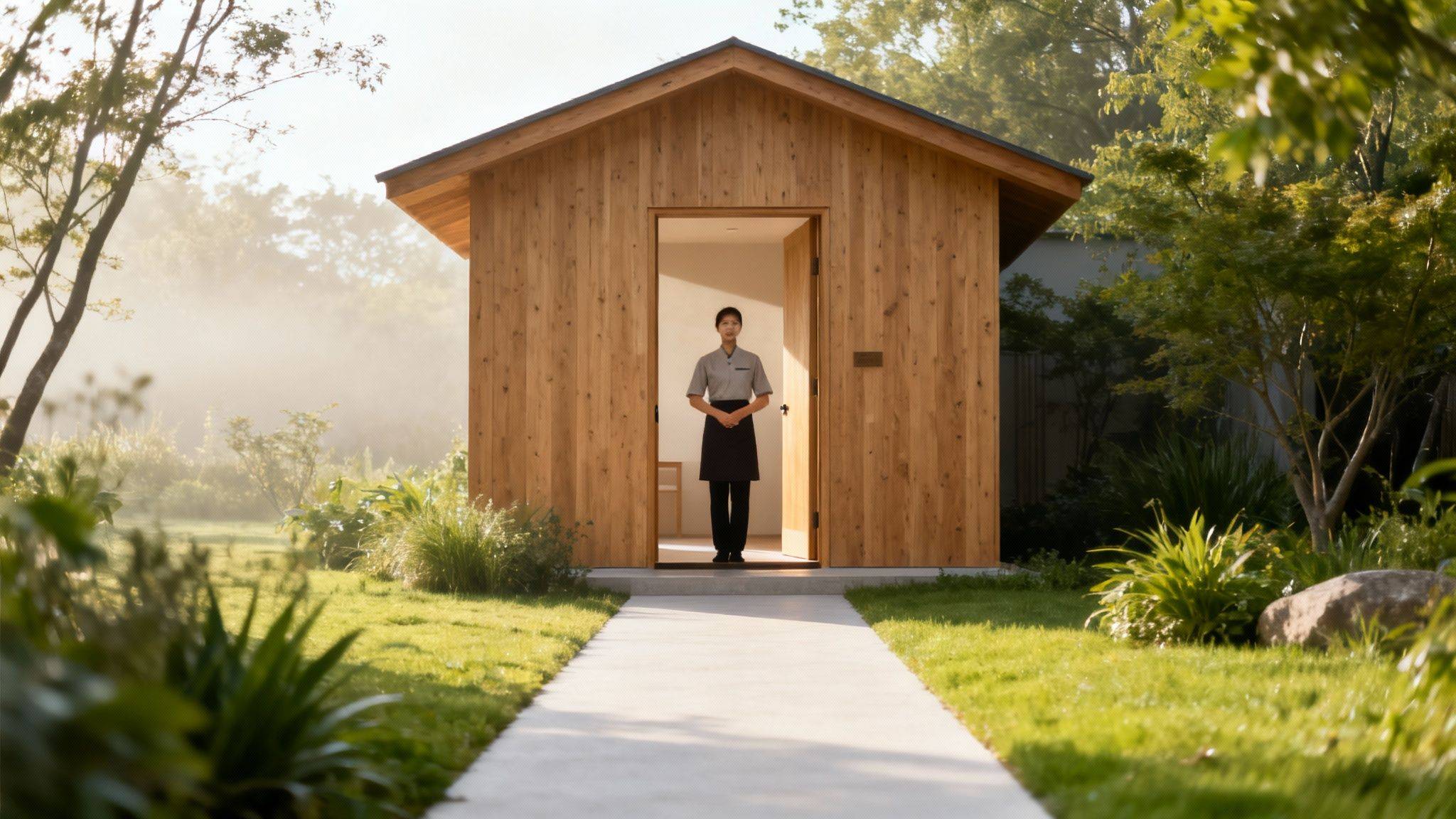
Once you’ve decided that psychedelic therapy might be right for you, the next step is the most critical: finding the right person or place to guide your journey. This isn’t a decision to be taken lightly. The safety, quality, and ultimate benefit of your experience hinge almost entirely on the provider you choose.
Think of it like hiring a specialized guide for an expedition into a completely unknown, powerful landscape. You’d want to know everything about them—their experience, their safety record, and their deep knowledge of the terrain. The same level of due diligence is essential here, whether you’re looking for a licensed therapist for a clinical session or a seasoned facilitator for an Ayahuasca retreat.
Key Questions for Vetting Any Provider
Before you commit to anything, you need to ask some direct questions and feel completely comfortable with the answers. Any reputable provider will not only expect this but will welcome your diligence. Your well-being should be their number one priority, and their transparency will show it.
Here are the fundamental areas you need to dig into:
Credentials and Experience: Ask them directly about their training. How long have they been in this practice? Roughly how many sessions or ceremonies have they led? For a clinician, this means checking their license. For a traditional facilitator, it means understanding their lineage and the apprenticeship they completed.
Safety Protocols and Medical Screening: How do they screen people for physical or psychological conditions that might be a bad mix with psychedelics? What’s their plan if a medical or psychological emergency comes up? A professional, responsible operation will have solid, clear answers for this.
Therapeutic Approach and Support: What’s their philosophy or model for this work? Ask specifically about the support they provide for preparation beforehand and, even more importantly, for integration afterward. A one-off session without a proper support structure is just an experience, not a complete therapeutic process.
“The emphasis a provider places on thorough preparation and dedicated integration is often the biggest giveaway. It separates those committed to real, lasting healing from those just selling an intense experience.”
Evaluating Traditional Medicine Retreats
When you’re looking into something like an Ayahuasca ceremony, the vetting process shifts slightly to respect deep-seated cultural and spiritual traditions. The leader of these ceremonies—often called a shaman, facilitator, or curandero—carries an enormous weight of responsibility.
When assessing a traditional retreat, keep these points in mind:
- Lineage and Training: Where did the facilitator learn this work? A guide who has earned their place will have gone through a long, demanding apprenticeship with elder teachers. Be very cautious of anyone with a vague or self-proclaimed background.
- Commitment to Tradition: Does the center show real respect for the indigenous roots of the medicine? This is reflected in how they source their Ayahuasca, their relationship with local communities, and the authenticity of their ceremonies.
- Group Size and Facilitator Ratio: Smaller groups mean each person gets the attention and support they need. You should always ask how many experienced facilitators will be there to support the lead guide during the ceremony.
In the end, after you’ve done all your research and asked all your questions, trust your gut. A safe, ethical, and capable provider will make you feel respected and secure from the very first conversation. Making a well-informed, safety-conscious choice is the first and most important step toward a meaningful journey.
Got Questions About Psychedelic Therapy? You’re Not Alone.
It’s only natural to have a ton of questions as psychedelic therapy moves from the fringes into the mainstream. This field can feel complex and is often clouded by misinformation, so let’s clear things up.
Think of this section as your quick-reference guide. We’ll tackle the most common concerns head-on, giving you the straightforward answers you need to feel more grounded in your understanding.
Is This Actually Safe?
When done correctly, yes. In a controlled, clinical setting with proper screening and professional guidance, psychedelic therapy is considered quite safe. The key is that it isn’t a free-for-all. Every step is carefully managed.
Before anything happens, participants go through extensive medical and psychological screening. This helps rule out anyone with contraindications, like a personal or family history of psychosis or certain cardiovascular issues. The session itself takes place in a comfortable space with trained facilitators who are present from start to finish. This is a world away from taking psychedelics at a party, where these crucial safety nets just don’t exist.
“The “therapeutic container”—that is, the safe space created by the guide and the setting—is what makes this work possible. It’s the foundation of trust that allows a person to be vulnerable enough for true healing to begin, making sure both physical and emotional safety are always the top priority.”
What’s the Difference Between This and Recreational Use?
The line between therapeutic and recreational use is drawn by three simple things: intention, setting, and support. That’s it. In therapy, you’re there with a clear goal in mind—to heal, to grow, to understand something deeper about yourself.
It all happens in a structured environment designed specifically for safety, and it’s all guided by a trained professional. This framework includes preparation sessions to get you ready and, just as importantly, integration sessions afterward to help you make sense of it all. Recreational use almost never has this structure, which not only increases the risks but also misses the opportunity for real, lasting change.
How Long Does This All Take?
It’s definitely not a one-and-done deal. The full journey is a real commitment. A standard approach usually involves several prep sessions spread out over a few weeks, the full-day psychedelic session (or sessions), and then a series of integration meetings in the weeks and months that follow.
If you’re looking at a retreat model, like one for Ayahuasca, you might be on-site for a week or longer. And that’s before you even get to the crucial integration work you’ll need to do once you’re back home. This isn’t a quick fix; it’s a carefully paced process designed for deep, sustainable change. The science is catching up to this, too—as of early 2023, there were over 450 registered clinical studies underway. If you’re curious, you can dig into this detailed report on global psychedelic research trends to see the scientific momentum for yourself.
Disclaimer: The information provided on Ayahuasca.com is for educational purposes only and is not intended as medical advice, diagnosis, or treatment. Ayahuasca is a powerful traditional Amazonian medicine and may not be suitable for everyone. Always consult with a qualified healthcare professional before making decisions related to health, mental well-being, medications, or the use of Ayahuasca.